Sodium Chloride → HCID 23032454, compound
Reaction equation

Cl[C:2]1[S:6][N:5]=[C:4]([S:7][CH3:8])[N:3]=1.[N+:9]([C:12]1[CH:13]=[C:14]([CH:17]=[CH:18][CH:19]=1)[CH2:15][OH:16])([O-:11])=[O:10].C(=O)([O-])[O-].[K+].[K+].[Cl-].[Na+]>CN(C)C=O>[N+:9]([C:12]1[CH:13]=[C:14]([CH:17]=[CH:18][CH:19]=1)[CH2:15][O:16][C:2]1[S:6][N:5]=[C:4]([S:7][CH3:8])[N:3]=1)([O-:11])=[O:10]Participants
6





Procedure
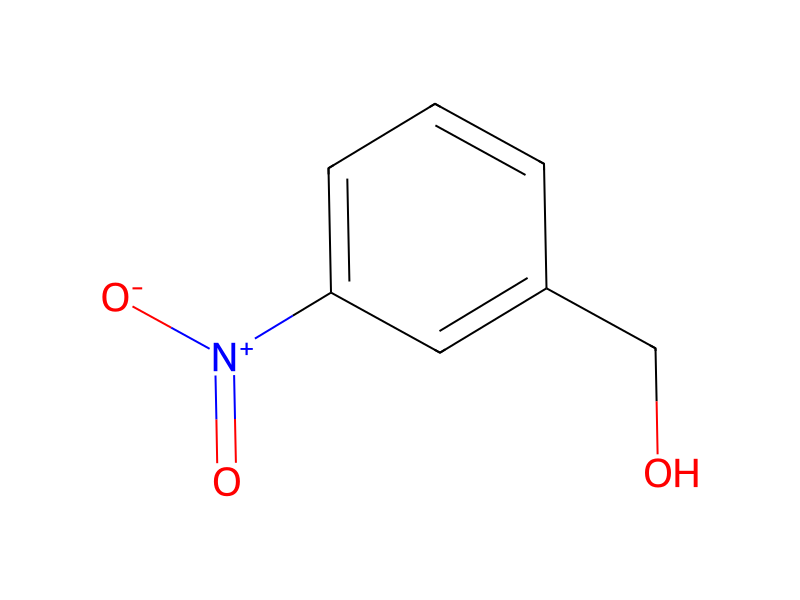
Into 4 ml of N,N-dimethylformamide were dissolved 334 mg of 5-chloro-3-methylthio-1,2,4-thiadiazole and 3-nitrobenzyl alcohol, 331 mg of potassium carbonate was added thereto under, and the reaction mixture was stirred for 4 hours at room temperature. The reaction mixture was added to saturated sodium chloride aqueous solution, and extracted with t-butyl methyl ether. The organic layer was concentrated, and the residue obtained was subjected to silica gel column chromatography to give 320 mg of 5-(3-nitrobenzyloxy)-3-methylthio-1,2,4-thiadiazole (hereinafter, referred to as the present compound (26)).
Workup
- additionwas added
- extractionextracted with t-butyl methyl ether
- concentrationThe organic layer was concentrated
- customthe residue obtained
Sources & evidence
- ORD record
- ord-d4b462d575ab4d7cbf3133b473f690ef
- Source dataset
- uspto-grants-2007_09
- Patent number
- US07273879B2
Reaction notes
Loading…