Potassium Carbonate → Biphenyl
Reaction equation

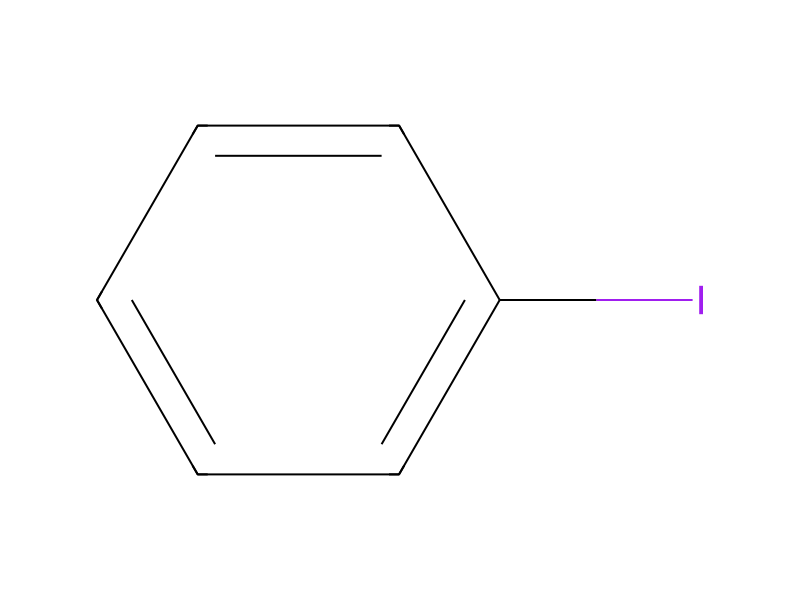
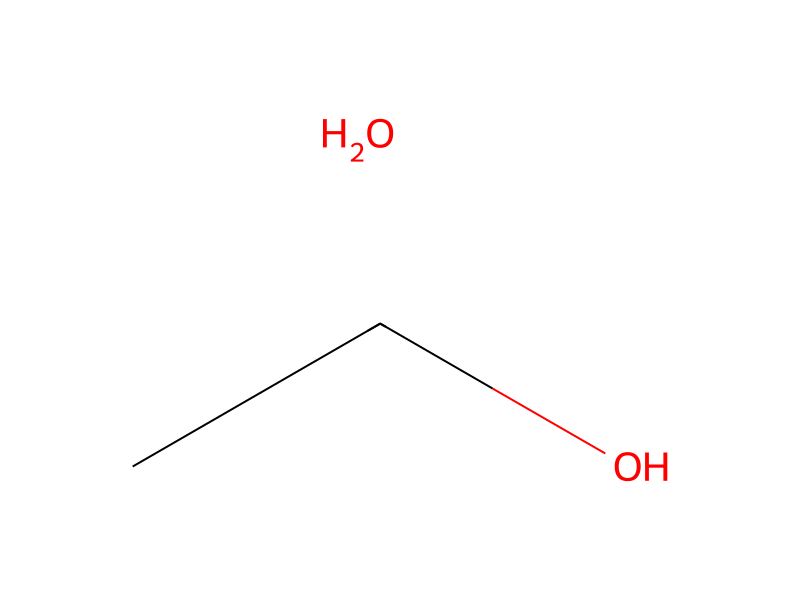
I[C:2]1[CH:7]=[CH:6][CH:5]=[CH:4][CH:3]=1.[C:8]1(OB(O)O)[CH:13]=[CH:12][CH:11]=[CH:10][CH:9]=1.C([O-])([O-])=O.[K+].[K+]>O.C(O)C>[C:2]1([C:8]2[CH:13]=[CH:12][CH:11]=[CH:10][CH:9]=2)[CH:7]=[CH:6][CH:5]=[CH:4][CH:3]=1Participants
Reactant 3


Product 1

Reagents, catalysts & solvents 1
Conditions
- Temperature
- 60 °C
Procedure
After obtaining the supported metal nanoparticles, the catalytic activity was examined using a very popular cross coupling reaction—Suzuki reaction, which is commonly used in the pharmaceutical industry, as shown in FIG. 8. Still referring to FIG. 8, Iodobenzene (0.5 mmol), phenyl boric acid (0.8 mmol) and K2CO3 (1.0 mmol) were added to a 4 mL mixture of a water:ethanol (1:1) solution. Then, the supported nano-Pd on XAD-4 (100 mg) was added, and the reaction mixture was heated to 60° C. for 12 hours. The supported catalyst was recovered by filtration, and the filtrate was extracted by ether. The evaporation of ether furnished the crude product, which was purified by regular flash column chromatography, as known to those of ordinary skill in the art, to yield pure biphenyl in 90% yield. The supported metal nanoparticles could be reused three times without significant activity loss.
Workup
- customAfter obtaining the supported metal nanoparticles
- customa very popular cross coupling reaction—Suzuki reaction, which
- filtrationThe supported catalyst was recovered by filtration
- extractionthe filtrate was extracted by ether
- customThe evaporation of ether
- customfurnished the crude product, which
- customwas purified by regular flash column chromatography
Sources & evidence
- ORD record
- ord-7dfc839cf1574568a6486039e9d49db9
- Source dataset
- uspto-grants-2016_03
- Patent number
- US09272260B2
Reaction notes
Loading…