Diisobutylaluminum hydride → (1-Methyl-1,2,3,4-tetrahydroquinolin-7-yl)methanol
Reaction equation

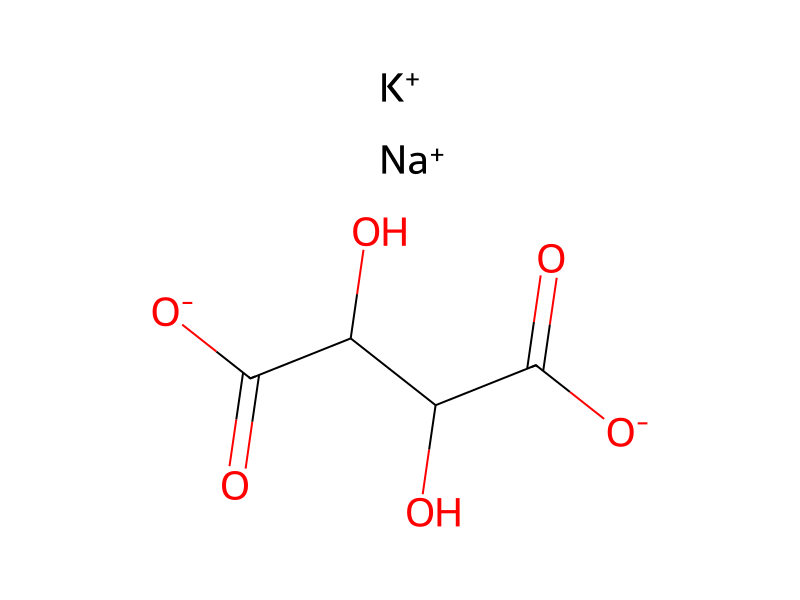
[CH3:1][N:2]1[C:11]2[C:6](=[CH:7][CH:8]=[C:9]([C:12](OC)=[O:13])[CH:10]=2)[CH2:5][CH2:4][CH2:3]1.CC(C[AlH]CC(C)C)C.C(C(C(C([O-])=O)O)O)([O-])=O.[K+].[Na+]>C1COCC1>[CH3:1][N:2]1[C:11]2[C:6](=[CH:7][CH:8]=[C:9]([CH2:12][OH:13])[CH:10]=2)[CH2:5][CH2:4][CH2:3]1Participants
5




Conditions
- Temperature
- 0 °C
Procedure
To a cooled (0° C.) solution of methyl 1-methyl-1,2,3,4-tetrahydroquinoline-7-carboxylate (320 mg, 1.559 mmol) in THF (25 mL) was added a solution of DIBAL-H in THF (6.24 ml, 6.24 mmol). The reaction mixture was stirred for 3 hr at 0° C. The reaction mixture was treated with 30 mL of 10% aqueous sodium potassium tartrate and stirred for 2 h at 20° C. The mixture was extracted with AcOEt. The organic layer was dried over MgSO4, filtered and concentrated under reduced pressure to give the title compound. MS (Method A) [M+H]+=178.0
Workup
- stirringstirred for 2 h at 20° C
- extractionThe mixture was extracted with AcOEt
- dry with materialThe organic layer was dried over MgSO4
- filtrationfiltered
- concentrationconcentrated under reduced pressure
Sources & evidence
- ORD record
- ord-28959d90c4d743e88607ec4e28d35123
- Source dataset
- uspto-grants-2016_03
- Patent number
- US09290485B2
Reaction notes
Loading…