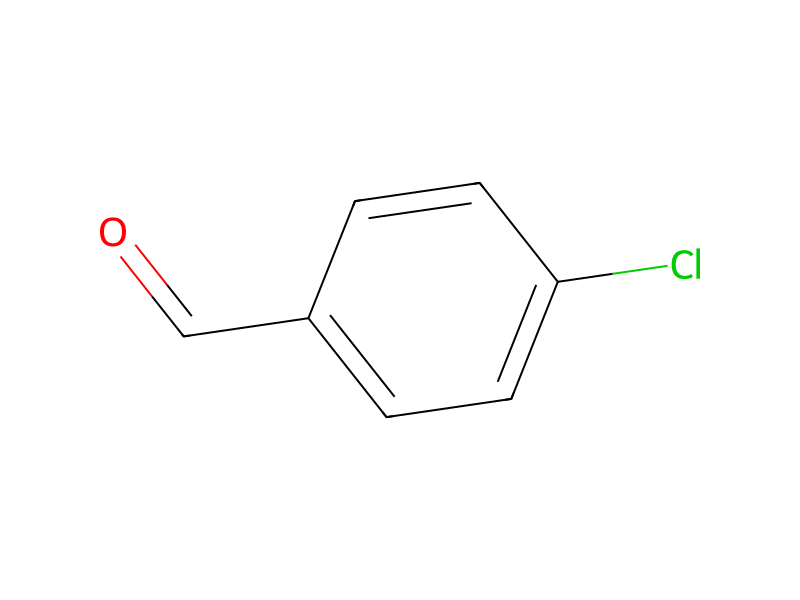
4-Chlorobenzaldehyde → 5-(4-Chlorobenzyl)-2,2-dimethyl-1,3-dioxane-4,6-dione
Reaction equation

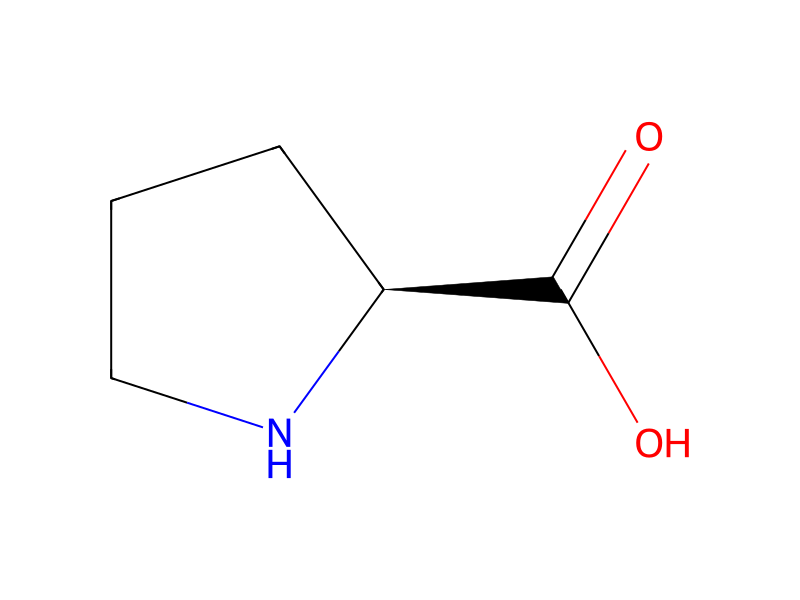
N1CCC[C@H]1C(O)=O.[Cl:9][C:10]1[CH:17]=[CH:16][C:13]([CH:14]=O)=[CH:12][CH:11]=1.[CH3:18][C:19]1([CH3:27])[O:26][C:24](=[O:25])[CH2:23][C:21](=[O:22])[O:20]1.CC1NC(C)=C(C(OCC)=O)CC=1C(OCC)=O>CCO>[Cl:9][C:10]1[CH:17]=[CH:16][C:13]([CH2:14][CH:23]2[C:24](=[O:25])[O:26][C:19]([CH3:27])([CH3:18])[O:20][C:21]2=[O:22])=[CH:12][CH:11]=1Participants
6




Procedure
Proline (0.165 g, 1.42 mmol) was added to a solution of 4-chlorobenzaldehyde (1.00 g, 7.11 mmol) and Meldrum's acid (1.03 g, 7.11 mmol) in EtOH (10 mL). The mixture was stirred at room temperature for 1 hour and diethyl 1,4-dihydro-2,6-dimethyl-3,5-pyridinedicarboxylate (1.80 g, 7.11 mmol) was added. Stirring was continued for 3 hours and EtOH removed under reduced pressure. The residue was diluted with i-PrOH and filtered to provide the desired compound as a white solid.
Workup
- stirringStirring
- waitwas continued for 3 hours
- customEtOH removed under reduced pressure
- additionThe residue was diluted with i-PrOH
- filtrationfiltered
Sources & evidence
- ORD record
- ord-731056ea565043e58135b47f2e993128
- Source dataset
- uspto-grants-2016_03
- Patent number
- US09290476B2
Reaction notes
Loading…