Potassium Carbonate → 2-(Azetidin-1-yl)-6-bromopyridine
Reaction equation

Br[C:2]1[CH:7]=[CH:6][CH:5]=[C:4]([Br:8])[N:3]=1.C(=O)([O-])[O-].[K+].[K+].Cl.[NH:16]1[CH2:19][CH2:18][CH2:17]1>CS(C)=O>[N:16]1([C:2]2[CH:7]=[CH:6][CH:5]=[C:4]([Br:8])[N:3]=2)[CH2:19][CH2:18][CH2:17]1Participants
5
Reactant 3

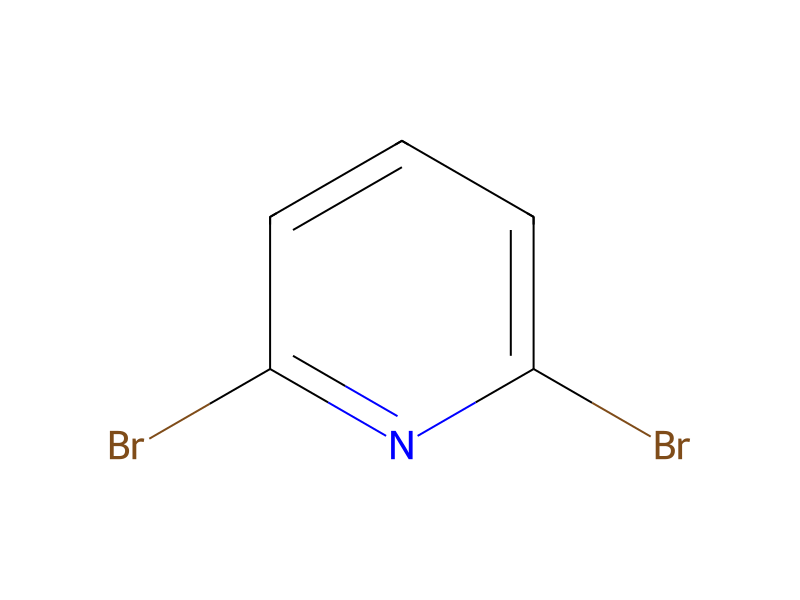

Product 1

Reagents, catalysts & solvents 1

Conditions
- Temperature
- 80 °C
Procedure
To a solution of 2,6-dibromopyridine (100 mg, 0.424 mmol) in dimethylsulfoxide (5 mL) was added potassium carbonate (175.4 mg, 1.27 mmol) and azetidine hydrogen chloride (24.2 mg, 0.424 mmol) at room temperature. The reaction mixture was heated to 80° C. for 16 h, then was poured into ice cold water and extracted with ethyl acetate. The combined organic layers were dried over sodium sulfate, and concentrated under reduced pressure to afford 2-(azetidin-1-yl)-6-bromopyridine (30 mg)
Workup
- additionwas poured into ice cold water
- extractionextracted with ethyl acetate
- dry with materialThe combined organic layers were dried over sodium sulfate
- concentrationconcentrated under reduced pressure
Sources & evidence
- ORD record
- ord-01275cf16836434b8b4071951a9f320d
- Source dataset
- uspto-grants-2016_03
- Patent number
- US09296745B2
Reaction notes
Loading…