Pyridine → HCID 19081257, compound
Reaction equation

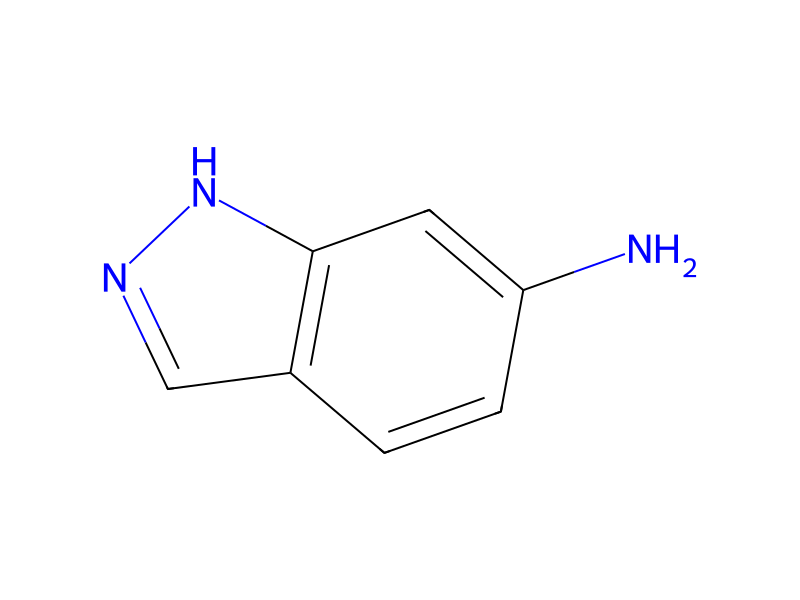
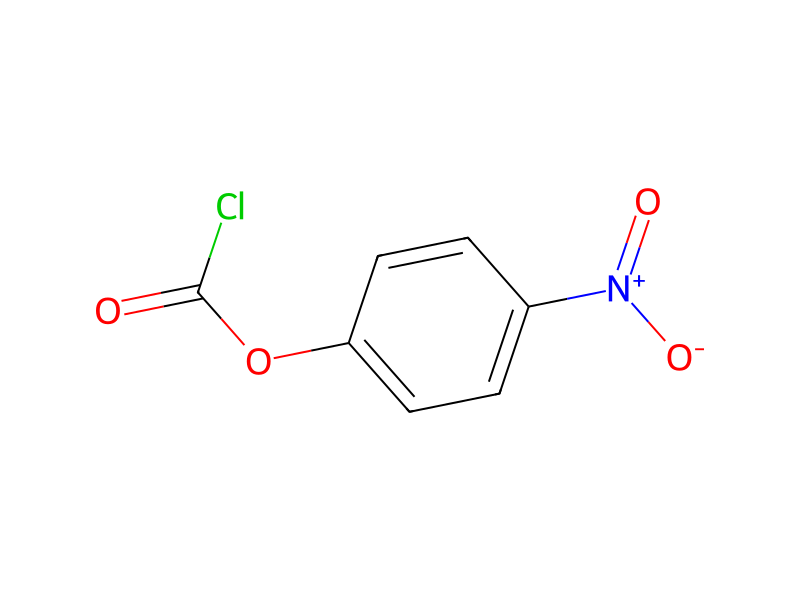
[NH2:1][C:2]1[CH:10]=[C:9]2[C:5]([CH:6]=[N:7][NH:8]2)=[CH:4][CH:3]=1.N1C=CC=CC=1.Cl[C:18]([O:20][C:21]1[CH:26]=[CH:25][C:24]([N+:27]([O-:29])=[O:28])=[CH:23][CH:22]=1)=[O:19]>O1CCCC1>[NH:8]1[C:9]2[C:5](=[CH:4][CH:3]=[C:2]([NH:1][C:18](=[O:19])[O:20][C:21]3[CH:22]=[CH:23][C:24]([N+:27]([O-:29])=[O:28])=[CH:25][CH:26]=3)[CH:10]=2)[CH:6]=[N:7]1Participants
5
Reactant 3

Product 1

Reagents, catalysts & solvents 1

Conditions
- Temperature
- 0 °C
Procedure
A mixture of 6-amino-1H-indazole (2.00 g) and pyridine (2.67 ml) in tetrahydrofuran was stirred at 0° C. and then p-nitrophenyl chloroformate (3.18 g) was added and stirred at the same temperature for 2 hours. The reaction mixture was evaporated and partitioned between ethyl acetate and water. The organic layer was washed with water and brine, dried over sodium sulfate, and evaporated in vacuo. The pale yellow powder was washed with isopropyl ether and diethyl ether, and vacuumed to afford 4-nitrophenyl N-(lH-indazol-6-yl)carbamate (2.67 g).
Workup
- stirringstirred at the same temperature for 2 hours
- customThe reaction mixture was evaporated
- custompartitioned between ethyl acetate and water
- washThe organic layer was washed with water and brine
- dry with materialdried over sodium sulfate
- customevaporated in vacuo
- washThe pale yellow powder was washed with isopropyl ether and diethyl ether
Sources & evidence
- ORD record
- ord-4f06a370f52243bfbc9037d4bcff16bf
- Source dataset
- uspto-grants-1998_06
- Patent number
- US05763437
Reaction notes
Loading…