Acetic Acid → Butane
Reaction equation

[C:1]([O:4][CH2:5][CH3:6])(=[O:3])[CH3:2].[C:7](O)(=O)[CH3:8]>S(=O)(=O)(O)O.C(O)C>[CH3:7][CH2:8][CH2:5][CH3:6].[C:1]([O:4][CH:5]=[CH2:6])(=[O:3])[CH3:2]Participants
6


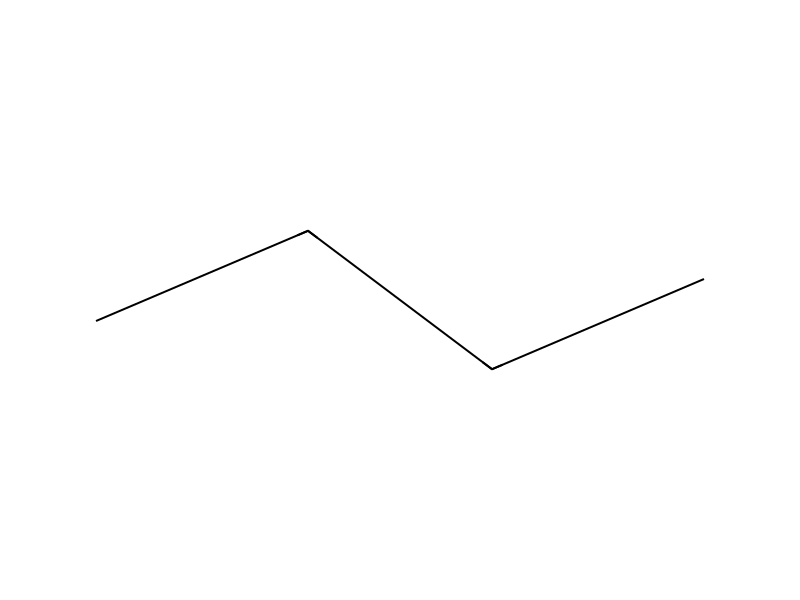

Reagents, catalysts & solvents 2


Procedure
The commercial production of ethyl acetate is mainly by two processes: the Tischenko reaction produces ethyl acetate by direct conversion of ethanol via acetaldehyde using an aluminum alkoxide catalyst; and the production of ethyl acetate by direct esterification of ethanol with acetic acid with a sulphuric acid catalyst. The Tischenko reaction is the main industrial process for the manufacture of ethyl acetate. Industrial scale production by this method took place mainly in Europe during the first half of this century. Ethyl acetate is also produced as a by-product in the liquid phase oxidation of n-butane and as a co-product in the production of polyvinyl butyryl from vinyl acetate and ethanol.
Workup
- customThe Tischenko reaction
Sources & evidence
- ORD record
- ord-d06b00bf97ab42c5b4da666a1405eca1
- Source dataset
- uspto-grants-1998_06
- Patent number
- US05770761
Reaction notes
Loading…