Phenylacetyl chloride → 7,8-Dimethoxy-6-nitro-3-phenyl-chromen-2-one
Reaction equation

[CH3:1][O:2][C:3]1[C:4]([OH:16])=[C:5]([CH:8]=[C:9]([N+:13]([O-:15])=[O:14])[C:10]=1[O:11][CH3:12])[CH:6]=O.[CH:17]1[CH:22]=[CH:21][C:20]([CH2:23][C:24](Cl)=[O:25])=[CH:19][CH:18]=1.C(=O)([O-])[O-].[K+].[K+]>CC(C)=O>[CH3:12][O:11][C:10]1[C:3]([O:2][CH3:1])=[C:4]2[C:5]([CH:6]=[C:23]([C:20]3[CH:21]=[CH:22][CH:17]=[CH:18][CH:19]=3)[C:24](=[O:25])[O:16]2)=[CH:8][C:9]=1[N+:13]([O-:15])=[O:14]Participants
5
Reactant 3
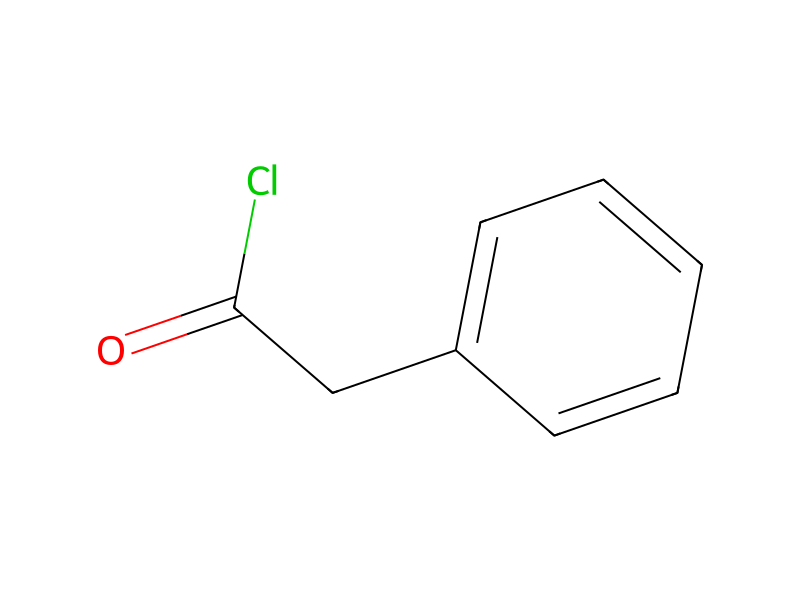


Product 1

Reagents, catalysts & solvents 1

Procedure
A mixture of 3,4-dimethoxy-2-hydroxy-5-nitrobenzaldehyde obtained from Preparation example (1a) (0.91 g), phenacetylchloride (1.1 ml) and potassium carbonate (2.0 g) was refluxed in dry acetone (40 ml) overnight. Acetone was evaporated, cold water added and filtered. Yield: 0.69 g.
Workup
- customAcetone was evaporated
- additioncold water added
- filtrationfiltered
Sources & evidence
- ORD record
- ord-ac5eef07ca214db78624677c1de3aea9
- Source dataset
- uspto-grants-2005_10
- Patent number
- US06951870B2
Reaction notes
Loading…