Phosphonic acid → HCID 88799872, compound
Reaction equation

[PH:1](=[O:4])([OH:3])[OH:2].ClCP(CCl)(=O)O.[C:12](N)([CH3:15])([CH3:14])[CH3:13].[C:17]([NH:21][CH2:22]P(CNC(C)(C)C)(=O)O)(C)(C)C>O>[C:12]([O:4][P:1]([CH2:17][NH:21][CH3:22])(=[O:3])[OH:2])([CH3:15])([CH3:14])[CH3:13]Participants
Reactant 4
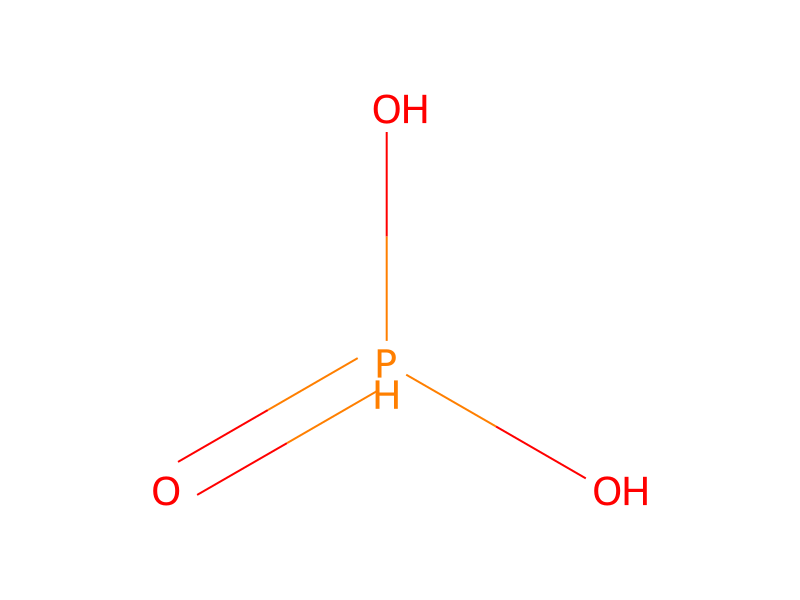
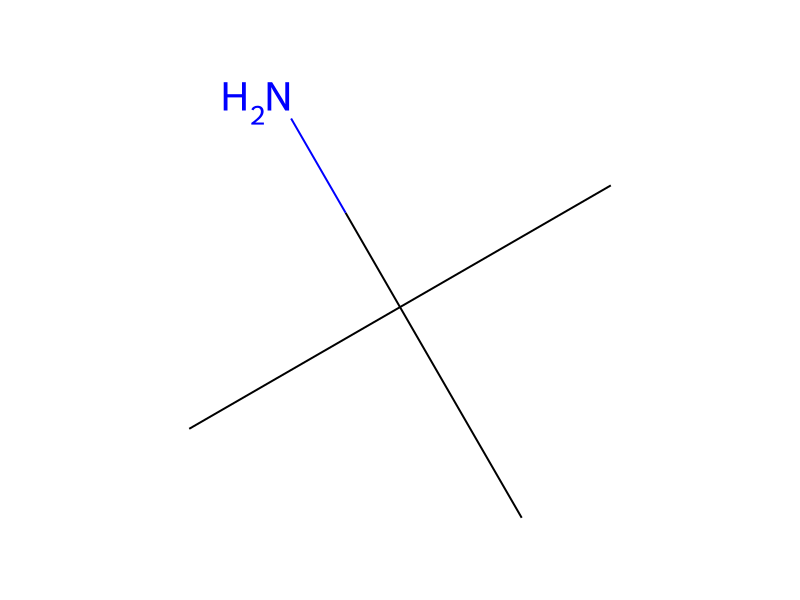


Product 1

Reagents, catalysts & solvents 1

Procedure
It must be presumed that, in the reaction mechanism of this surprising reaction, a four-membered ring intermediate is formed, which is hydrolyzed into the phosphonic acid by water, and that consequently the reaction proceeds in accordance with the following scheme: ##STR6## This reaction mechanism also seems to play a minor part in the reaction of aliphatic primary amines with bis(chloromethyl)phosphinic acid, where it occurs as a troublesome secondary reaction. It has been observed by the applicant for example that, in the reaction of bis (chloromethyl)-phosphinic acid with tert-butylamine in accordance with M. K. Il'ina and I. M. Shermergorn, Bull. Acad. Sci. USSR, 1968, page 1759 (English edition), not only is the desired bis(tert-butylaminomethyl)phosphinic acid described in this reference obtained in 30.4% yield, but also small amounts (3.2%) of tert-butyl-methylaminomethylphosphonic acid of the formula ##STR7## simultaneously result. Likewise, in the reaction of bis(chloromethyl)phosphinic acid with methylamine, a small amount of dimethylaminomethylphosphonic acid
Workup
- customin the reaction mechanism of this surprising reaction
- customa four-membered ring intermediate is formed
- customoccurs as a troublesome secondary reaction
Sources & evidence
- ORD record
- ord-08494c33303d40ce97b7f92740c65ebf
- Source dataset
- uspto-grants-1979_07
- Patent number
- US04160779
Reaction notes
Loading…