Hydrochloric Acid → (4S)-4-(2-tetrahydropyranyloxy)-1-nonanol
Reaction equation

[O:1]1[CH2:6][CH2:5][CH2:4][CH2:3][CH:2]1[O:7][C@@H:8]([CH2:13][CH2:14][CH2:15][CH2:16][CH3:17])[CH2:9][CH2:10][CH:11]=[O:12].[BH4-].[Na+].Cl>COCCOCCOC>[O:1]1[CH2:6][CH2:5][CH2:4][CH2:3][CH:2]1[O:7][C@@H:8]([CH2:13][CH2:14][CH2:15][CH2:16][CH3:17])[CH2:9][CH2:10][CH2:11][OH:12]Participants
5
Reactant 3



Product 1

Reagents, catalysts & solvents 1
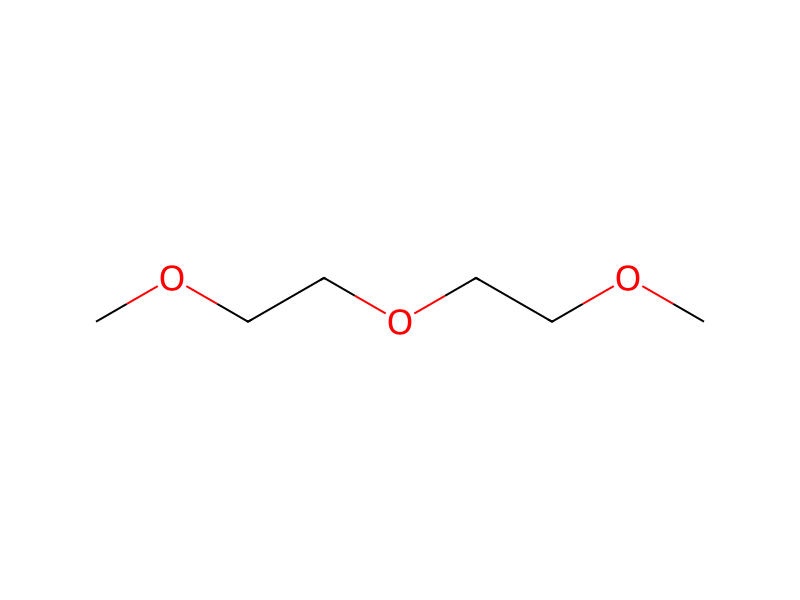
Procedure
A solution of (4S)-4-(2-tetrahydropyranyloxy)-nonanal (43.5 g., 0.18 mole) in diglyme (125 ml.) is treated with sodium borohydride (3.8 g., 0.10 mole). The temperature rises to 45° with the resulting exothermic reaction. The solution is stirred 4 hours, acidified with concentrated hydrochloric acid, and concentrated on the rotary evaporator. Water is added to the residue and the oily product is taken up in ether; washed with water and brine and dried over sodium sulfate. Evaporation of the ether leaves (4S)-4-(2-tetrahydropyranyloxy)-1-nonanol as a colorless oil to be used in the next step without further purification.
Workup
- customThe temperature rises to 45° with the resulting exothermic reaction
- concentrationconcentrated on the rotary evaporator
- additionWater is added to the residue
- washwashed with water and brine
- dry with materialdried over sodium sulfate
- customEvaporation of the ether
Sources & evidence
- ORD record
- ord-f138a4ba4bf14b0aba1cefc2085fa96e
- Source dataset
- uspto-grants-1977_10
- Patent number
- US04055597
Reaction notes
Loading…