4-Hydroxybenzaldehyde → 4-[(3-Chlorophenyl)methoxy]benzaldehyde
Reaction equation

[OH:1][C:2]1[CH:9]=[CH:8][C:5]([CH:6]=[O:7])=[CH:4][CH:3]=1.C(=O)([O-])[O-].[K+].[K+].[Cl:16][C:17]1[CH:18]=[C:19]([CH:22]=[CH:23][CH:24]=1)[CH2:20]Cl>C(C(C)=O)C>[Cl:16][C:17]1[CH:18]=[C:19]([CH:22]=[CH:23][CH:24]=1)[CH2:20][O:1][C:2]1[CH:9]=[CH:8][C:5]([CH:6]=[O:7])=[CH:4][CH:3]=1Participants
5
Reactant 3


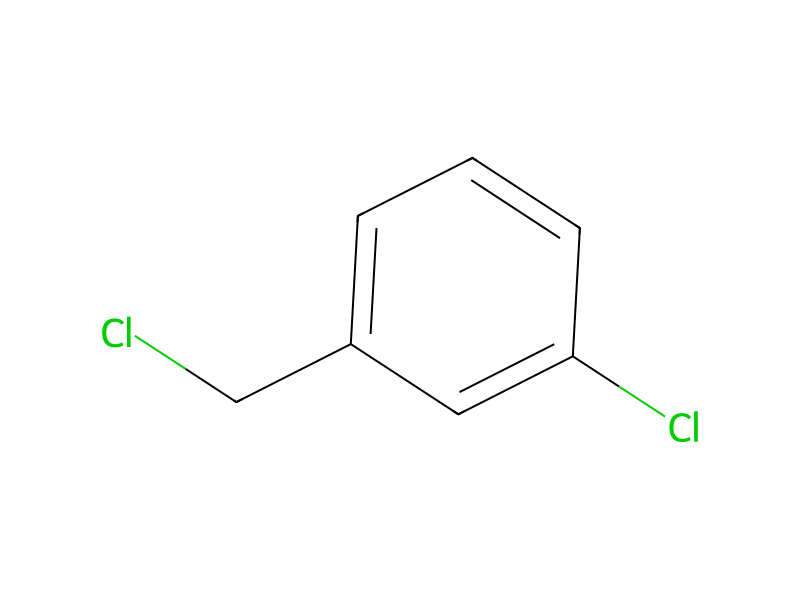
Product 1

Reagents, catalysts & solvents 1

Procedure
18.3 g of p-hydroxybenzaldehyde is dissolved in 200 ml of methyl ethyl ketone, and then 22.8 g of potassium carbonate and 24.2 g of m-chlorobenzyl chloride are added thereto. The resulting mixture is refluxed for 8 hours in a stream of nitrogen. Insoluble substances produced are removed by filtration, and then the solvent is distilled away. The resulting residue is distilled under reduced pressure to obtain 32.6 g of 4-(3-chlorobenzyloxy)benzaldehyde in the form of white crystal.
Workup
- temperatureThe resulting mixture is refluxed for 8 hours in a stream of nitrogen
- customInsoluble substances produced
- customare removed by filtration
- distillationthe solvent is distilled away
- distillationThe resulting residue is distilled under reduced pressure
Sources & evidence
- ORD record
- ord-078a98a913304fd1865101b59fb60f94
- Source dataset
- uspto-grants-1991_11
- Patent number
- US05063197
Reaction notes
Loading…