Potassium Iodide → N-[2-(2-Hydroxyethoxy)-ethyl]-4,4-diphenylpiperidine
Reaction equation

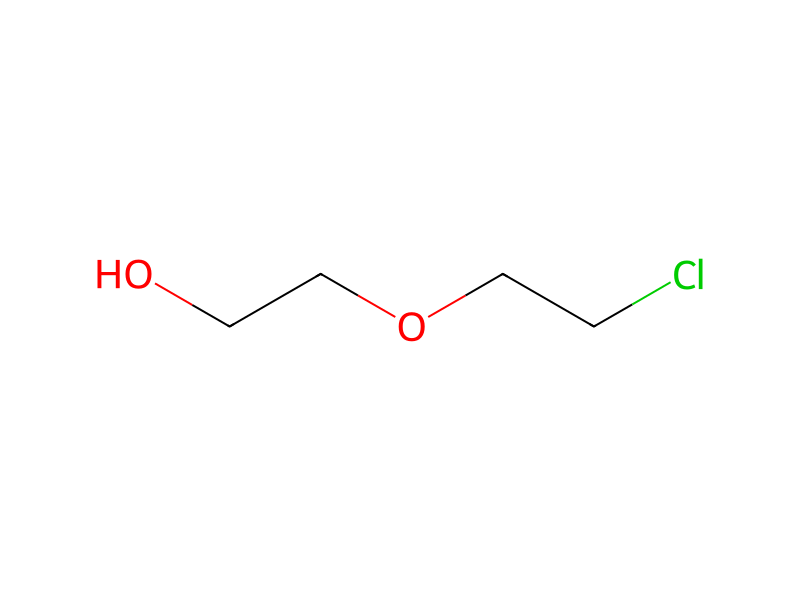
[C:1]1([C:7]2([C:13]3[CH:18]=[CH:17][CH:16]=[CH:15][CH:14]=3)[CH2:12][CH2:11][NH:10][CH2:9][CH2:8]2)[CH:6]=[CH:5][CH:4]=[CH:3][CH:2]=1.[CH2:19]([OH:25])[CH2:20][O:21][CH2:22][CH2:23]Cl.C(=O)([O-])[O-].[K+].[K+].[I-].[K+]>C(O)CCC.O1CCOCC1>[OH:25][CH2:19][CH2:20][O:21][CH2:22][CH2:23][N:10]1[CH2:9][CH2:8][C:7]([C:13]2[CH:18]=[CH:17][CH:16]=[CH:15][CH:14]=2)([C:1]2[CH:2]=[CH:3][CH:4]=[CH:5][CH:6]=2)[CH2:12][CH2:11]1Participants
7






Procedure
82 g of 4,4-diphenylpiperidine, 50 g of diethylene glycol monochlorohydrin, 250 g of finely powdered potassium carbonate and 1 g of potassium iodide are heated at the boiling point under reflux, with vigorous stirring, in 1.2 l of a 1:1 mixture of dioxane and 1-butanol for 50 h. After cooling, the mixture is filtered and the filtrate is concentrated. The oily residue is taken up in ethyl acetate and the solution is filtered again. After the filtrate has been concentrated to constant weight (high vacuum), the title compound is obtained as a waxy viscous residue. Yield: 106 g. The hydrochloride is obtained with ethereal hydrochloric acid and is recrystallized from 2-propanol. M.p.: 120°-121° C.
Workup
- temperatureAfter cooling
- filtrationthe mixture is filtered
- concentrationthe filtrate is concentrated
- filtrationthe solution is filtered again
- concentrationAfter the filtrate has been concentrated to constant weight (high vacuum)
Sources & evidence
- ORD record
- ord-303b2f31c15545ed8a816c93fee59146
- Source dataset
- uspto-grants-1991_11
- Patent number
- US05064839
Reaction notes
Loading…