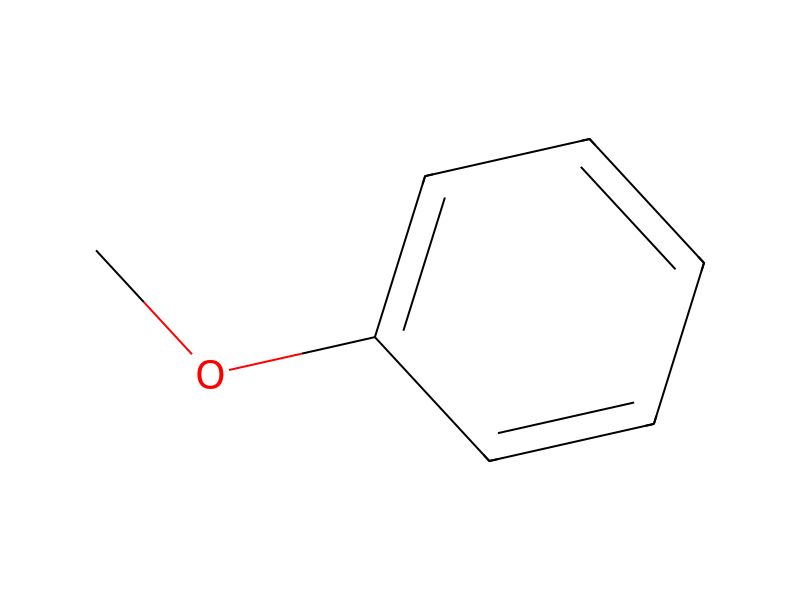
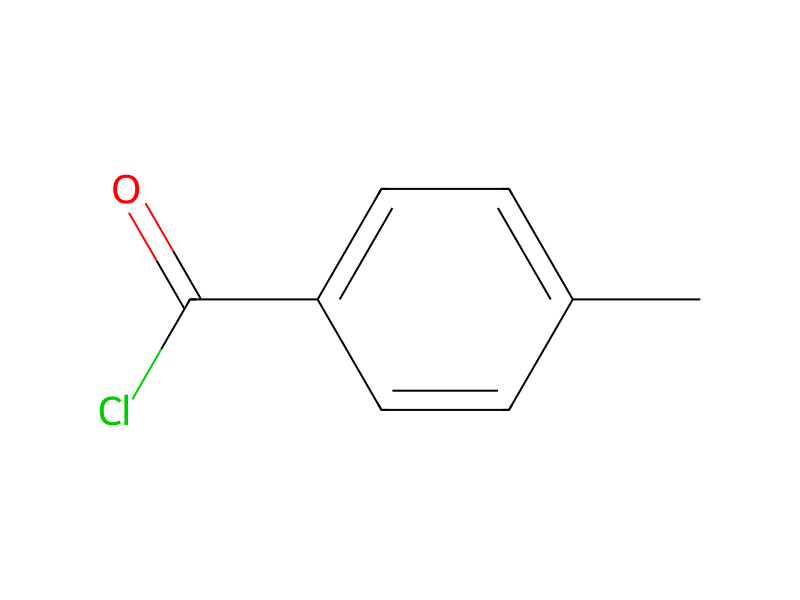
Anisole → (4-Methoxyphenyl)(4-methylphenyl)methanone
Reaction equation

[C:1]1([O:7][CH3:8])[CH:6]=[CH:5][CH:4]=[CH:3][CH:2]=1.[C:9]1([CH3:18])[CH:14]=[CH:13][C:12]([C:15](Cl)=[O:16])=[CH:11][CH:10]=1.C(O)C#C.C1C2C(=CC=CC=2)C=CC=1O>>[CH3:18][C:9]1[CH:14]=[CH:13][C:12]([C:15]([C:4]2[CH:5]=[CH:6][C:1]([O:7][CH3:8])=[CH:2][CH:3]=2)=[O:16])=[CH:11][CH:10]=1Participants
5



Procedure
4-methyl-4'methoxybenzophenone was prepared from anisole and p-toluoyl chloride using the procedure described in Comparative Example 2. The resulting ketone was converted to the propargyl alcohol and then reacted with 2-naphthol as in Comparative Example 2 to produce 2.1 grams of light yellow crystals having a melting range of 146-147° C. NMR analysis confirmed the product to be 3(4-methylphenyl)-3-(4-methoxyphenyl)-3H-naphtho[2,1-b]pyran.
Sources & evidence
- ORD record
- ord-134760b5dd984c27a95728952f45e7d3
- Source dataset
- uspto-grants-1991_11
- Patent number
- US05066818
Reaction notes
Loading…