Lithium Bromide → HCID 15027453, compound
Reaction equation

[Br-].[Li+].[CH2:3]([Mg]Cl)[CH3:4].S([O-])(=O)(=O)C.[Si:12]([C:19]#[C:20][CH2:21]O)([C:15]([CH3:18])([CH3:17])[CH3:16])([CH3:14])[CH3:13]>[Cu]Br>[C:15]([Si:12]([CH3:14])([CH3:13])[C:19]([CH2:3][CH3:4])=[C:20]=[CH2:21])([CH3:18])([CH3:17])[CH3:16]Participants
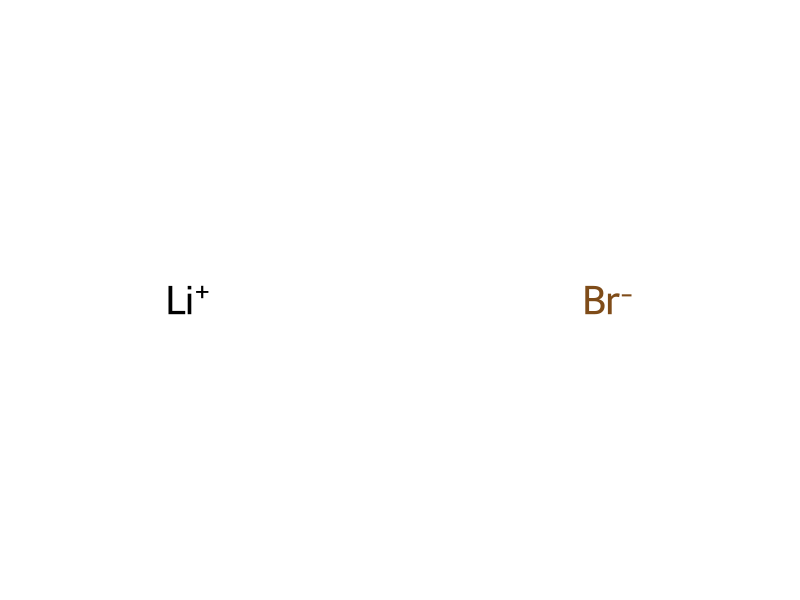
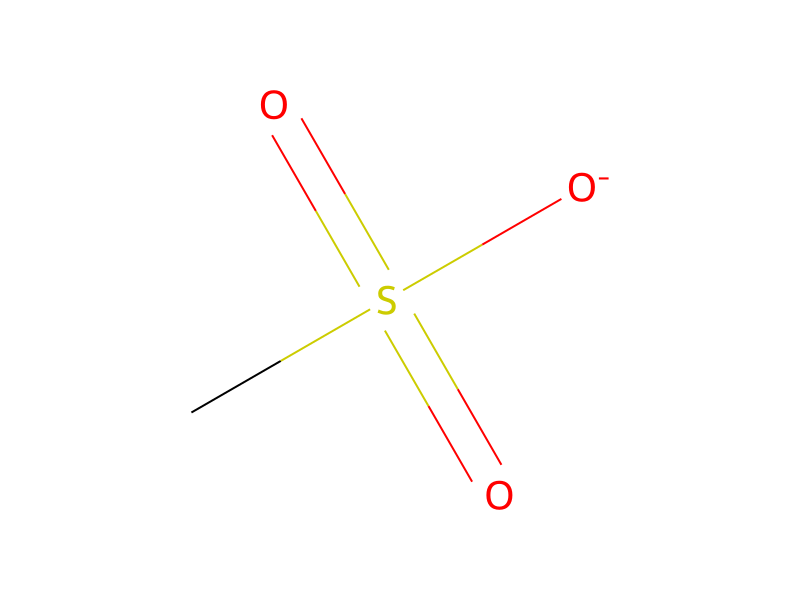


Conditions
- Temperature
- 0 °C
Procedure
A 2-L, three-necked, round-bottomed flask equipped with a nitrogen inlet adapter and two glass stoppers is charged with copper(I) bromide (40.0 g, 279 mmol) and lithium bromide (24.2 g, 279 mmol). The reaction vessel is evacuated, and the contents are heated briefly several times over the course of 30 minutes. The vacuum is then replaced by nitrogen and the apparatus is rapidly equipped with a mechanical stirrer and two rubber septa. Tetrahydrofuran (350 mL) is added, and the resulting green solution containing a small amount of undissolved solid is cooled with an ice bath while ethylmagnesium chloride (2M in tetrahydrofuran, 135 mL, 269 mmol) is added rapidly via a syringe over 3 minutes. After 20 minutes of stirring at 0° C., the viscous yellow-green suspension is cooled below -70° C. with a dry ice-acetone bath. The solution of the mesylate derivative of 3-(tert-butyldimethylsilyl)-2-propyn-1-ol prepared above is cooled below -70° C. and transferred dropwise via a cannula over 70 minutes to the rapidly stirred suspension of the cuprate reagent. The cold bath is then removed, and the green reaction mixture is allowed to warm to room temperature over 2.5 hours. The blue-gray mixture is then poured into a 2-L Erlenmeyer flask containing a magnetically stirred mixture of 400 mL of pentane, 200 mL of water, and 400 mL of saturated ammonium chloride solution. The organic phase is separated and washed successively with two 200 mL portions of saturated ammonium chloride solution, ten 500 mL portions of water, and 100 mL of saturated sodium chloride solution. The organic phase is dried over sodium sulfate, filtered, and then concentrated by atmospheric distillation through a 4-cm Vigreaux column. The residual liquid is next carefully distilled through a 4-cm Vigreux column to provide the title compound.
Workup
- customThe reaction vessel is evacuated
- temperaturethe contents are heated briefly several times over the course of 30 minutes
- customthe apparatus is rapidly equipped with a mechanical stirrer
- additionTetrahydrofuran (350 mL) is added
- additionthe resulting green solution containing a small amount of undissolved solid
- additionis added rapidly via a syringe over 3 minutes
- temperaturethe viscous yellow-green suspension is cooled below -70° C. with a dry ice-acetone bath
- temperatureabove is cooled below -70° C.
- customThe cold bath is then removed
- temperatureto warm to room temperature over 2.5 hours
- additionThe blue-gray mixture is then poured into a 2-L Erlenmeyer flask
- additioncontaining
- additiona magnetically stirred mixture of 400 mL of pentane, 200 mL of water, and 400 mL of saturated ammonium chloride solution
- customThe organic phase is separated
- washwashed successively with two 200 mL portions of saturated ammonium chloride solution, ten 500 mL portions of water, and 100 mL of saturated sodium chloride solution
- dry with materialThe organic phase is dried over sodium sulfate
- filtrationfiltered
- concentrationconcentrated by atmospheric distillation through a 4-cm Vigreaux column
- distillationThe residual liquid is next carefully distilled through a 4-cm Vigreux column
Sources & evidence
- ORD record
- ord-fcd92c03da3049518d7d463eb0db8685
- Source dataset
- uspto-grants-1991_11
- Patent number
- US05068237
Reaction notes
Loading…