Water → HCID 86745245, compound
Reaction equation

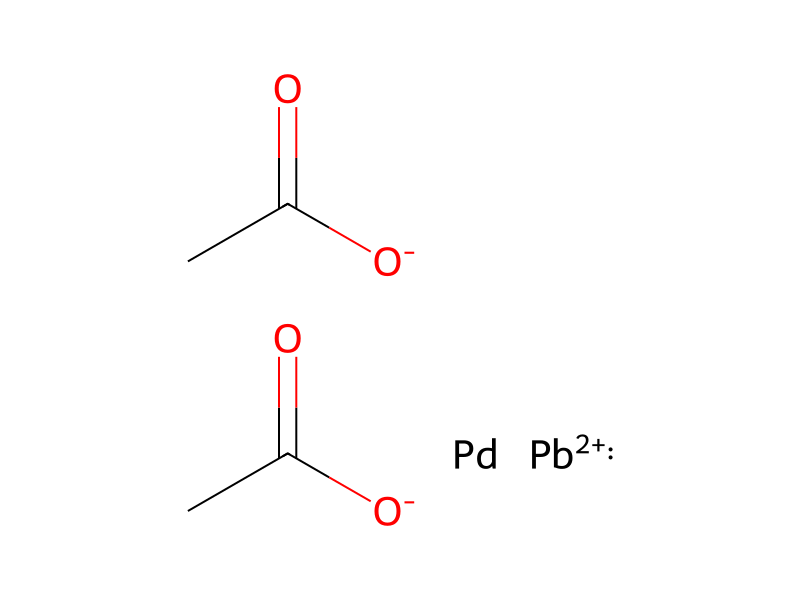
[NH2:1][C:2]1[S:3][C:4]2[CH2:5][CH2:6][N:7]([CH2:12][C:13]#[C:14][C:15]3[CH:20]=[CH:19][C:18]([C:21]#[N:22])=[CH:17][CH:16]=3)[CH2:8][CH2:9][C:10]=2[N:11]=1.O.[H][H].CCOCC>CN(C)C=O.[Pd].CC([O-])=O.CC([O-])=O.[Pb+2]>[NH2:1][C:2]1[S:3][C:4]2[CH2:5][CH2:6][N:7]([CH2:12]/[CH:13]=[CH:14]\[C:15]3[CH:16]=[CH:17][C:18]([C:21]#[N:22])=[CH:19][CH:20]=3)[CH2:8][CH2:9][C:10]=2[N:11]=1Participants
7






Procedure
Prepared analogously to Example 12 by catalytic hydrogenation of 1.30 g (4.21 mmol) of 2-amino-6-(3-(4-cyano-phenyl)-2-propyn-1-yl)-4,5,7,8-tetrahydro-6H-thiazolo[5,4-d]azepine. 0.3 H2O in anhydrous dimethylformamide under 1 bar of hydrogen pressure using Lindlar catalyst (5% palladium on calcium carbonate, contaminated with lead) at ambient temperature. Yield: 29.5% of theory, Melting point: 186°-188° C. (ether).
Workup
- customat ambient temperature
Sources & evidence
- ORD record
- ord-0d2086d4127b4b04b61c8982a4d75727
- Source dataset
- uspto-grants-1991_11
- Patent number
- US05068325
Reaction notes
Loading…