1,3-Dibromopropane → N-[3-(3-Bromo-propoxy)-phenyl]-acetamide
Reaction equation

[C:1]([NH:4][C:5]1[CH:6]=[C:7]([OH:11])[CH:8]=[CH:9][CH:10]=1)(=[O:3])[CH3:2].C(=O)([O-])[O-].[K+].[K+].[Br:18][CH2:19][CH2:20][CH2:21]Br>ClCCl>[C:1]([NH:4][C:5]1[CH:6]=[C:7]([CH:8]=[CH:9][CH:10]=1)[O:11][CH2:21][CH2:20][CH2:19][Br:18])(=[O:3])[CH3:2]Participants
5
Reactant 3


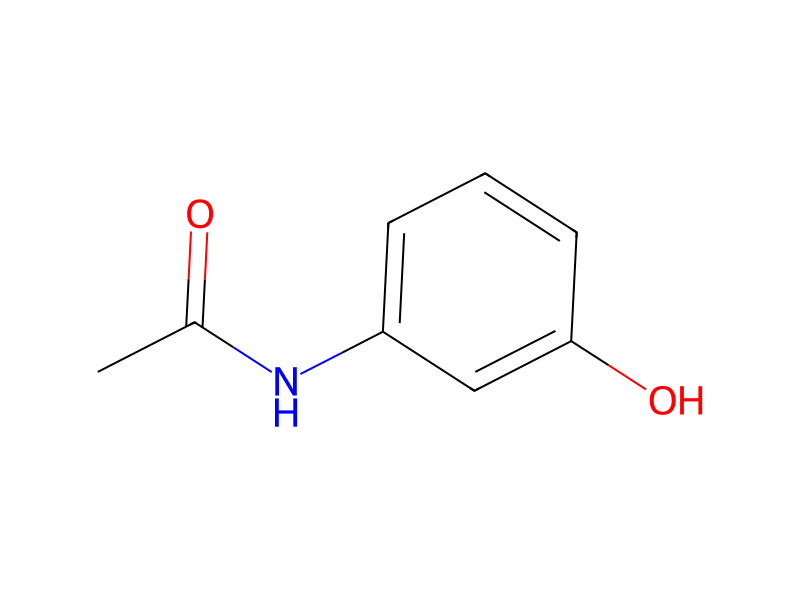
Product 1

Reagents, catalysts & solvents 1

Procedure
To 3-acetamidophenol (15.1 g) in dichloromethane (500 ml, dry) was added potassium carbonate (20 g) and then 1,3-dibromopropane (30 g). The resulting mixture was heated at reflux for 6 hours and then overnight at room temperature. After an additional 24 hours, the reaction was complete. Solids were filtered from the reaction mixture, and the solution was concentrated to an oil, which was purified to yield 3-(3-acetamidophenoxy)propyl bromide, 13.2 g.
Workup
- temperatureThe resulting mixture was heated
- temperatureat reflux for 6 hours
- customovernight
- customat room temperature
- filtrationSolids were filtered from the reaction mixture
- concentrationthe solution was concentrated to an oil, which
- customwas purified
Sources & evidence
- ORD record
- ord-a6dbf40c79b946ad8d97b9b58e71a5bb
- Source dataset
- uspto-grants-1997_03
- Patent number
- US05607945
Reaction notes
Loading…