Hydrochloric Acid → 21-deoxyconcanamycin A
Reaction equation

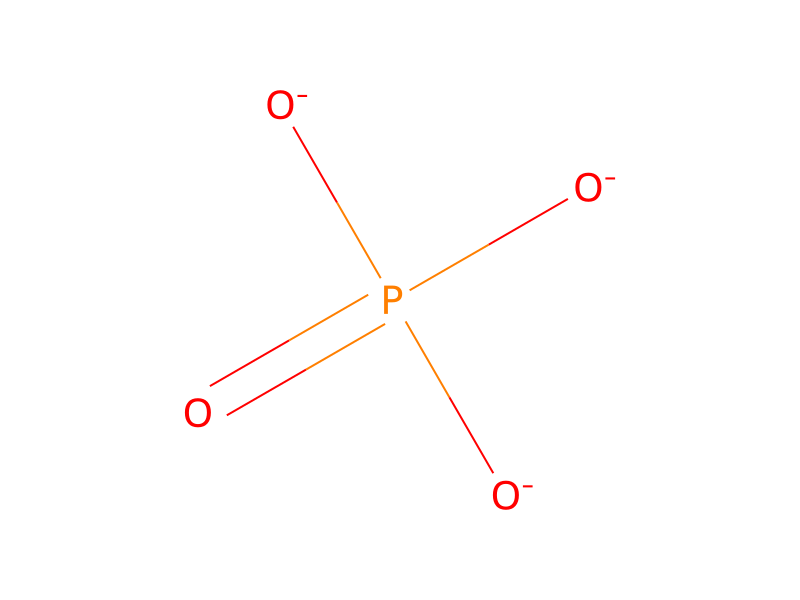
Cl.[CH3:2][CH2:3][C@@H:4]1[C@H:22]([OH:23])[C@H:21]([CH3:24])[CH:20]=[C:19]([CH3:25])[CH:18]=[C:17]([O:26][CH3:27])[C:15](=[O:16])[O:14][C@H:13]([C@H:28]([C@@H:30]([OH:58])[C@@H:31]([C@:33]2(OC)[O:38][C@H:37](/[CH:39]=[CH:40]/[CH3:41])[C@@H:36]([CH3:42])[C@H:35]([O:43][C@@H:44]3[O:49][C@H:48]([CH3:50])[C@@H:47]([O:51][C:52]([NH2:54])=[O:53])[C@H:46]([OH:55])[CH2:45]3)[CH2:34]2)[CH3:32])[CH3:29])[C@@H:12]([O:59][CH3:60])[CH:11]=[CH:10][CH:9]=[C:8]([CH3:61])[CH2:7][C@@H:6]([CH3:62])[C@@H:5]1[OH:63].[BH3-]C#N.[Na+].COC1C=CC(C=O)=CC=1.OS(O)(=O)=O.P([O-])([O-])([O-])=O>CCO>[CH3:2][CH2:3][C@@H:4]1[C@H:22]([OH:23])[C@H:21]([CH3:24])[CH:20]=[C:19]([CH3:25])[CH:18]=[C:17]([O:26][CH3:27])[C:15](=[O:16])[O:14][C@H:13]([C@H:28]([C@@H:30]([OH:58])[C@@H:31]([C@@H:33]2[O:38][C@H:37](/[CH:39]=[CH:40]/[CH3:41])[C@@H:36]([CH3:42])[C@H:35]([O:43][C@@H:44]3[O:49][C@H:48]([CH3:50])[C@@H:47]([O:51][C:52]([NH2:54])=[O:53])[C@H:46]([OH:55])[CH2:45]3)[CH2:34]2)[CH3:32])[CH3:29])[C@@H:12]([O:59][CH3:60])[CH:11]=[CH:10][CH:9]=[C:8]([CH3:61])[CH2:7][C@@H:6]([CH3:62])[C@@H:5]1[OH:63]Participants





Procedure
4 ml of 0.5N HCl are added to a solution of 388 mg (0.44 mmol) of 21-O-methyl-concanamycin A and 193 mg of NaBH3CN (3.08 mmol, 7 equiv.) in 50 ml of EtOH and the reaction mixture is stirred at room temperature until the starting material can no longer be detected by TLC chromatography. Owing to the similarity in the chromatographic behaviour of the starting material and the product, the TLC monitoring of the course of the reaction proves to be difficult; the product spot can, however, be stained yellow-brown with anisaldehyde/H2SO4 spray reagent, while the starting material can be stained blue-violet. After 3 hours 60 ml of phosphate buffer (pH=7) are added, EtOH is removed in vacuo and the aqueous solution is extracted with CHCl3. Customary working-up is followed by chromatography on silica gel (system D, 4×40 cm). M.p. 140° C.
Workup
- customEtOH is removed in vacuo
- extractionthe aqueous solution is extracted with CHCl3
Sources & evidence
- ORD record
- ord-4de31018a5de4741936f31b2f4e54a24
- Source dataset
- uspto-grants-1997_03
- Patent number
- US05610178
Reaction notes
Loading…