Hexachloroethane → HCID 21464362, compound
Reaction equation

[CH2:1]([O:3][C:4]1[C:9]([NH:10][C:11](=[O:17])[O:12][C:13]([CH3:16])([CH3:15])[CH3:14])=[CH:8][CH:7]=[CH:6][N:5]=1)[CH3:2].C([Li])(C)(C)C.[Cl:23]C(Cl)(Cl)C(Cl)(Cl)Cl>O1CCCC1.CCCCC.CCOCC>[Cl:23][C:8]1[CH:7]=[CH:6][N:5]=[C:4]([O:3][CH2:1][CH3:2])[C:9]=1[NH:10][C:11](=[O:17])[O:12][C:13]([CH3:16])([CH3:15])[CH3:14]Participants
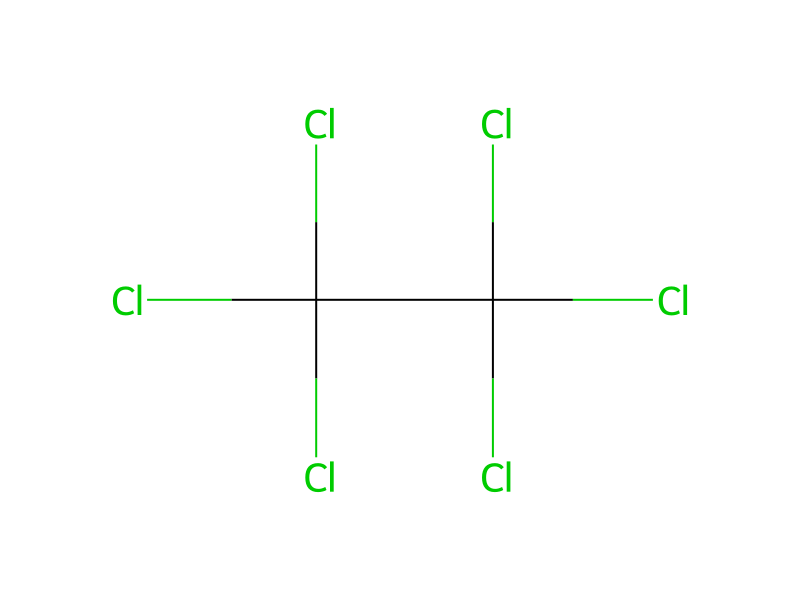





Conditions
- Temperature
- -60 °C
Procedure
To a solution of 15 g (63 mmol) of t-butyl N-(2-ethoxy-3-pyridinyl)carbamate in 175 mL of dry tetrahydrofuran was added with stirring at -60° C., 78 mL (132 mmol) of 1.7M t-butyl lithium in pentane. The resulting solution was allowed to warm to -10° C. over a 30 min. period and was then cooled to -60° C. A 22.3 g (94 mmol) amount of hexachloroethane was added all at once with stirring and the mixture are allowed to warm to ambient temperature. It was then diluted with 600 mL of ether and the resulting solution was washed with 150 mL of water, dried over magnesium sulfate, filtered, and concentrated by evaporation. The residue was purified by column chromatography to obtain 11.1 g (65 percent of theory) of the title compound as a colorless solid melting at 73°-74° C.
Workup
- temperatureto warm to -10° C. over a 30 min. period
- temperaturewas then cooled to -60° C
- stirringwith stirring
- temperatureto warm to ambient temperature
- washthe resulting solution was washed with 150 mL of water
- dry with materialdried over magnesium sulfate
- filtrationfiltered
- concentrationconcentrated by evaporation
- customThe residue was purified by column chromatography
Sources & evidence
- ORD record
- ord-22ce72bbc35943658eb2fdee10bd6c82
- Source dataset
- uspto-grants-1997_03
- Patent number
- US05614469
Reaction notes
Loading…