Dichloromethane → 1-(Carboethoxy)methyliminomethyl-3,4-dimethoxybenzene
Reaction equation

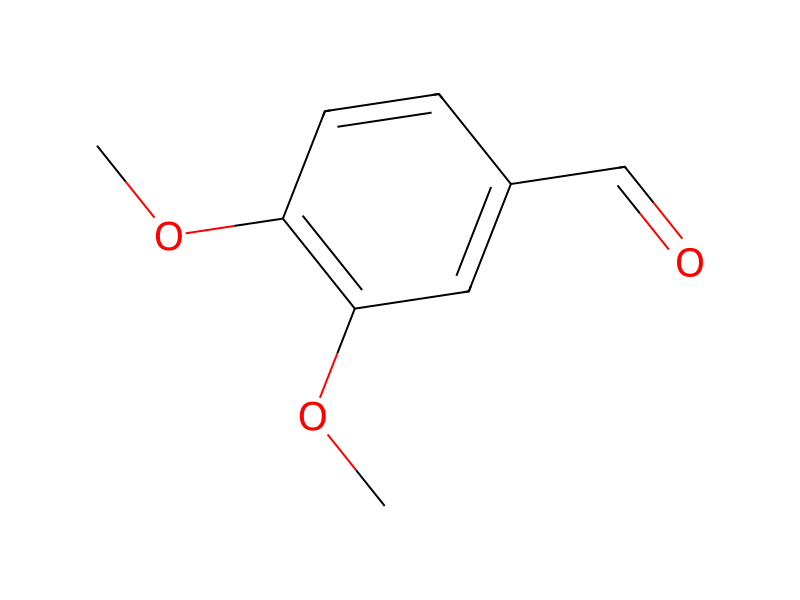
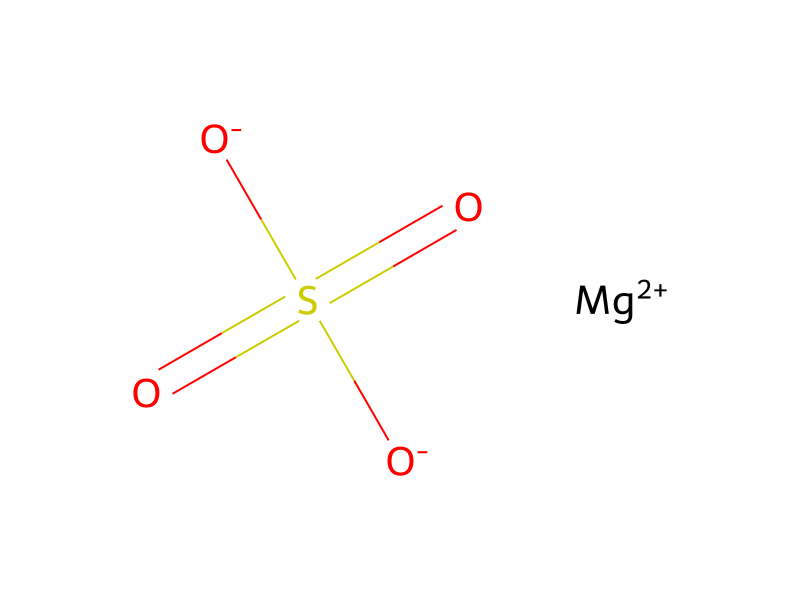
[CH3:1][O:2][C:3]1[CH:4]=[C:5]([CH:8]=[CH:9][C:10]=1[O:11][CH3:12])[CH:6]=O.C(Cl)Cl.[NH2:16][CH2:17][C:18]([O:20][CH2:21][CH3:22])=[O:19].Cl.[O-]S([O-])(=O)=O.[Mg+2]>CCN(CC)CC>[C:18]([CH2:17][N:16]=[CH:6][C:5]1[CH:8]=[CH:9][C:10]([O:11][CH3:12])=[C:3]([O:2][CH3:1])[CH:4]=1)([O:20][CH2:21][CH3:22])=[O:19]Participants
6




Conditions
- Temperature
- 20 °C
Procedure
Alternatively, one may prepare compounds of the invention via the procedures of Scheme IV. In the first step, a benzaldehyde derivative is treated with ethyl glycinate hydrochloride in CH2Cl2, Et3N, and MgSO4 at room temperature to produce an imine ester of formula 24 (step 1). For example, 3,4-dimethoxybenzaldehyde is suspended in a CH2Cl2 solution of H2NCH2COOEt.HCl, Et3N and MgSO4 and stirred at 20° C. to produce 1-(carboethoxy)methyliminomethyl-3,4-dimethoxybenzene (24).
Sources & evidence
- ORD record
- ord-24bbd5f003954f81a8e8b0004ffb74ae
- Source dataset
- uspto-grants-1987_05
- Patent number
- US04667038
Reaction notes
Loading…