1-Bromo-3-chloropropane → HCID 14153974, compound
Reaction equation

Br[CH2:2][CH2:3][CH2:4][Cl:5].[OH:6][C:7]1[CH:8]=[C:9]2[CH:12]([C:13]([N:15]3[CH2:20][CH2:19][CH2:18][CH2:17][CH2:16]3)=[O:14])[CH2:11][C:10]2=[CH:21][CH:22]=1.[OH-].[K+]>[Cl-].C([N+](CCCC)(CCCC)CCCC)CCC.C(Cl)Cl>[Cl:5][CH2:4][CH2:3][CH2:2][O:6][C:7]1[CH:8]=[C:9]2[CH:12]([C:13]([N:15]3[CH2:20][CH2:19][CH2:18][CH2:17][CH2:16]3)=[O:14])[CH2:11][C:10]2=[CH:21][CH:22]=1Participants
6





Procedure
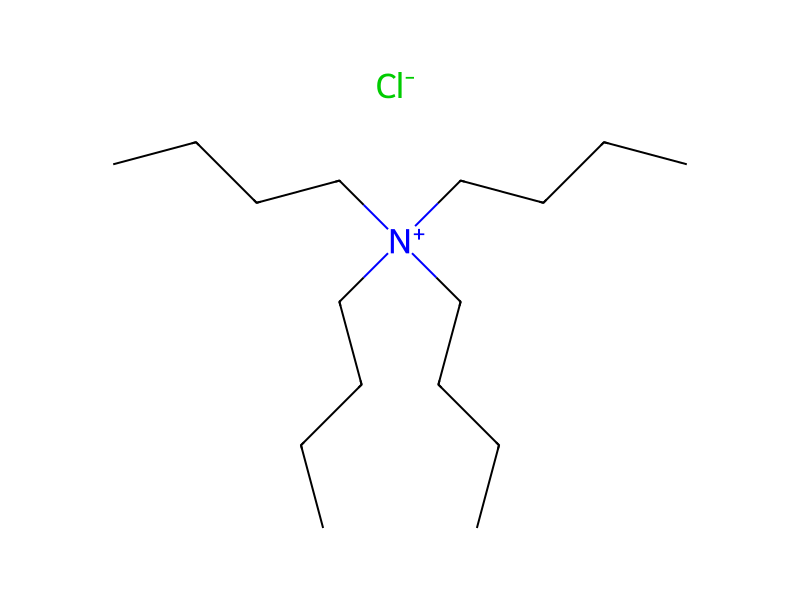
Tetrabutylammonium chloride (4.48 g) and 1-bromo-3-chloropropane (127.8 ml) are added to a stirred solution of 5-hydroxy-1-(1-piperidinylcarbonyl)benzocyclobutene (31.8 g) in methylene chloride (250 ml) and potassium hydroxide (18.85 g, 45% in H2O) which has been stirred vigorously under nitrogen for one hour. The reaction mixture is stirred at RT overnight, diluted with methylene chloride, extracted with H2O, sat'd aqueous NaCl and the organic layer dried over sodium sulfate. The solution is filtered, evaporated in vacuo and chromatographed (silica gel: ethyl acetate/hexane) yielding the desired product as an oil which is identified by NMR.
Workup
- stirringThe reaction mixture is stirred at RT overnight
- extractionextracted with H2O
- dry with materialthe organic layer dried over sodium sulfate
- filtrationThe solution is filtered
- customevaporated in vacuo
- customchromatographed (silica gel: ethyl acetate/hexane)
Sources & evidence
- ORD record
- ord-a5d393087b894e0db7360ad5fce0852d
- Source dataset
- uspto-grants-1987_01
- Patent number
- US04639442
Reaction notes
Loading…