Trifluoroacetic acid → Methyl 4-(1-carboxycyclopropyl)-2,3,5,6-tetrafluorobenzoate
Reaction equation

C1(C(C2C=CC=CC=2)[O:8][C:9]([C:11]2([C:14]3[C:23]([F:24])=[C:22]([F:25])[C:17]([C:18]([O:20][CH3:21])=[O:19])=[C:16]([F:26])[C:15]=3[F:27])[CH2:13][CH2:12]2)=[O:10])C=CC=CC=1.FC(F)(F)C(O)=O>C1(OC)C=CC=CC=1>[C:9]([C:11]1([C:14]2[C:15]([F:27])=[C:16]([F:26])[C:17]([C:18]([O:20][CH3:21])=[O:19])=[C:22]([F:25])[C:23]=2[F:24])[CH2:13][CH2:12]1)([OH:10])=[O:8]Participants
4


Procedure
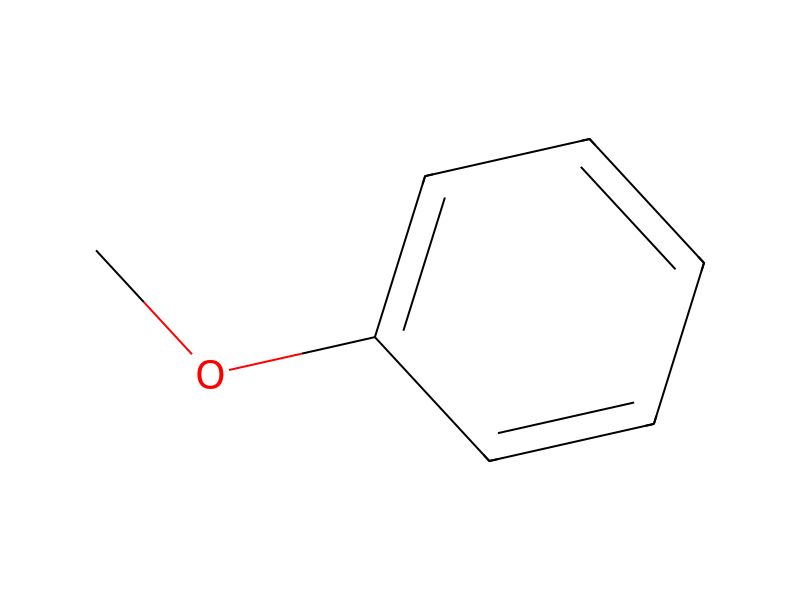
In 60 ml of anisole was dissolved 22.5 g of methyl 4-(1-diphenylmethoxycarbonylcyclopropyl)-2,3,5,6tetrafluorobenzoate. To the resulting solution was added 80 ml of trifluoroacetic acid. The resulting mixture was stirred at room temperature for 2 hours. The reaction mixture was concentrated under reduced pressure. n-Hexane was added to the residue obtained. The resulting crystals were collected by filtration to obtain 12.7 g (yield: 88.8%) of methyl 4-(1-carboxycyclopropyl)-2,3,5,6tetrafluorobenzoate.
Workup
- concentrationThe reaction mixture was concentrated under reduced pressure
- additionn-Hexane was added to the residue
- customobtained
- filtrationThe resulting crystals were collected by filtration
Sources & evidence
- ORD record
- ord-1da36ee1ab2d40cab612beee20b47c58
- Source dataset
- uspto-grants-1991_02
- Patent number
- US04990508
Reaction notes
Loading…