Benzoyl chloride → HCID 54121436, compound
Reaction equation

[CH3:1][C:2]([C:13]1[CH:18]=[CH:17][C:16]([O:19][CH2:20][CH:21]=[C:22]([CH3:24])[CH3:23])=[CH:15][CH:14]=1)=[CH:3][C:4]1[CH:12]=[CH:11][C:7]([C:8](O)=O)=[CH:6][CH:5]=1.[C:25](Cl)(=[O:32])C1C=CC=CC=1.[K].C(Cl)(=O)[C:36](Cl)=[O:37].[N+](=C)=[N-]>[Ag]=O.CO>[CH3:1][C:2]([C:13]1[CH:18]=[CH:17][C:16]([O:19][CH2:20][CH:21]=[C:22]([CH3:24])[CH3:23])=[CH:15][CH:14]=1)=[CH:3][C:4]1[CH:12]=[CH:11][C:7]([CH2:8][C:36]([O:32][CH3:25])=[O:37])=[CH:6][CH:5]=1Participants
8







Procedure
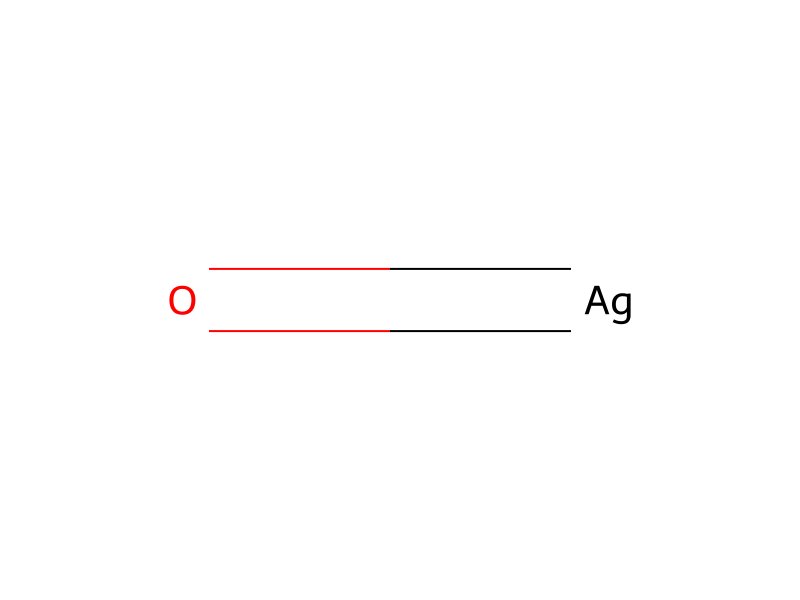
4-(2-Methyl-2-(4-(3-methyl-2-butenoxy)phenyl) ethenyl)benzoic acid is converted to the corresponding benzoyl chloride by treating the potassium salt of the acid with oxalyl chloride as described in Example 12. The benzoyl chloride is reacted with diazomethane and the resulting diazoketone is decomposed using silver oxide catalyst in methanol to give methyl 4-(2-methyl-2-(4-(3-methyl-2-butenoxy)phenyl)ethenyl)phenylacetate.
Sources & evidence
- ORD record
- ord-89c91e452848438994d20bb38840928d
- Source dataset
- uspto-grants-1991_02
- Patent number
- US04992468
Reaction notes
Loading…