Phenol → HCID 9837365, compound
Reaction equation

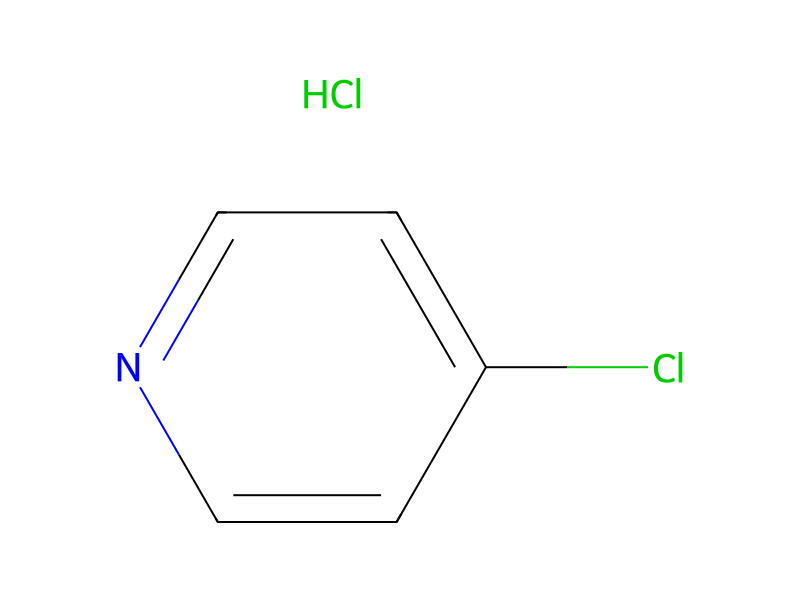
[CH2:1]([NH:4][N:5]1[CH2:9][CH2:8][CH2:7][C:6]1=[O:10])[CH2:2][CH3:3].Cl.Cl[C:13]1[CH:18]=[CH:17][N:16]=[CH:15][CH:14]=1.C1(O)C=CC=CC=1>ClCCl>[CH2:1]([N:4]([C:13]1[CH:18]=[CH:17][N:16]=[CH:15][CH:14]=1)[N:5]1[CH2:9][CH2:8][CH2:7][C:6]1=[O:10])[CH2:2][CH3:3]Participants
Reactant 3


Product 1

Reagents, catalysts & solvents 1

Conditions
- Temperature
- 143 °C
Procedure
A slurry consisting of 1-(propylamino)-2-pyrrolidinone (7.96 g), 4-chloropyridine hydrochloride (6.31 g) and phenol (20.9 g) was heated in a 143° C. oil bath under nitrogen. After 30 min., the resulting solution was treated with additional 4-chloropyridine hydrochloride (6.30 g) and heated for an additional 30 minutes. The mixture was cooled to room temperature and diluted with dichloromethane. The organic layer was washed with dilute aqueous sodium bicarbonate and the combined aqueous layers back-extracted with dichloromethane and ether. The combined organic layers were washed with brine and dried (K2CO3). Filtration, concentration, and purification via flash column chromatography (silica gel, 10% MeOH/DCM) and preparative HPLC afforded 3.65 g (30%) of 1-(propyl-4-pyridinylamino)-2-pyrrolidinone as an oil. The oxalate was prepared with 1.0 eq. oxalic acid in absolute ethanol, m.p. 194°-195.5° C.
Workup
- temperatureheated for an additional 30 minutes
- temperatureThe mixture was cooled to room temperature
- washThe organic layer was washed with dilute aqueous sodium bicarbonate
- extractionthe combined aqueous layers back-extracted with dichloromethane and ether
- washThe combined organic layers were washed with brine
- dry with materialdried (K2CO3)
- filtrationFiltration, concentration, and purification via flash column chromatography (silica gel, 10% MeOH/DCM) and preparative HPLC
Sources & evidence
- ORD record
- ord-188ddce726494b159186a158197a084e
- Source dataset
- uspto-grants-1991_02
- Patent number
- US04994472
Reaction notes
Loading…