Hydrazine → 3,4-Diphenylpyrazole
Reaction equation

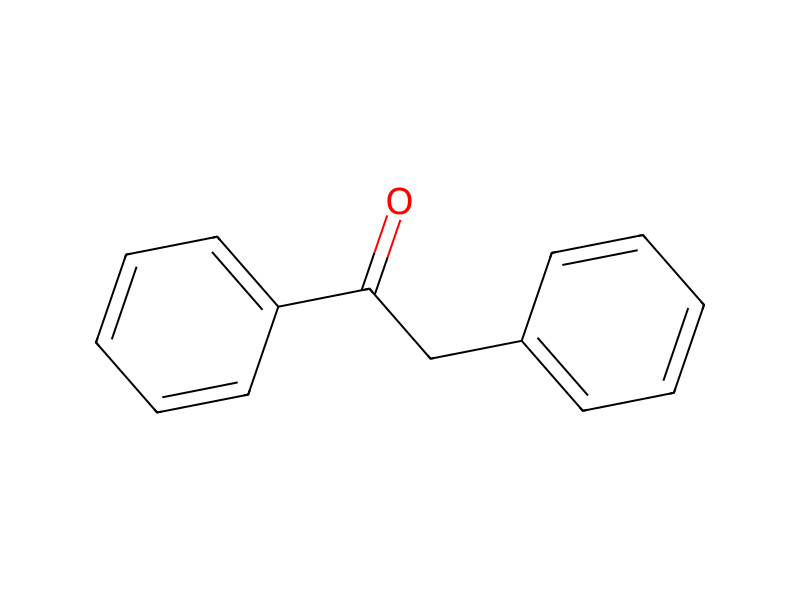
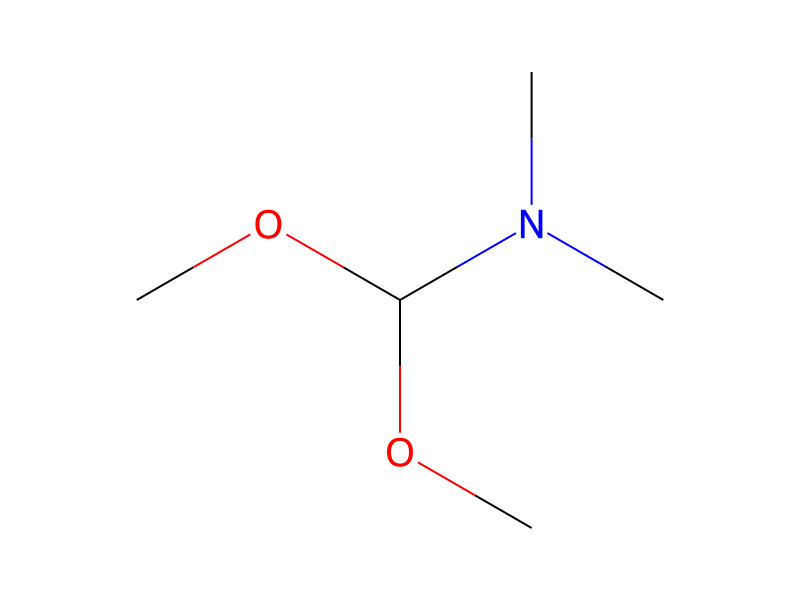
[C:1]1([C:7]([CH2:9][C:10]2[CH:15]=[CH:14][CH:13]=[CH:12][CH:11]=2)=O)[CH:6]=[CH:5][CH:4]=[CH:3][CH:2]=1.COC(OC)[N:19]([CH3:21])C.[NH2:24]N>>[C:1]1([C:7]2[C:9]([C:10]3[CH:15]=[CH:14][CH:13]=[CH:12][CH:11]=3)=[CH:21][NH:19][N:24]=2)[CH:6]=[CH:5][CH:4]=[CH:3][CH:2]=1Participants
4


Conditions
- Temperature
- 120 °C
Procedure
A mixture of deoxybenzoin (50 g, 0.255 mole) and N,N-dimethylformamide dimethyl acetal (37.9 g, 42.5 ml, 0.32 mole) was stirred at 120° C. under an atmosphere of nitrogen. After 30 minutes the heating source was removed and hydrazine (24 g, 24 ml, 0.75 mole) added dropwise to the hot mixture. After completing the addition, the mixture was poured onto water (600 ml) and a solid filtered off and air dried to afford 3,4-diphenyl-lH-pyrazole (52.18 g, 92%) which was used without further purification. An analytical sample was prepared by recrystallization from ethanol; m.p.=150°-152° C. (lit. m.p. =154°-155° C.).
Workup
- customAfter 30 minutes the heating source was removed
- additionthe addition
- additionthe mixture was poured onto water (600 ml)
- filtrationa solid filtered off
- customair dried
Sources & evidence
- ORD record
- ord-bf683aec82e9441eb1220b843d89c813
- Source dataset
- uspto-grants-1991_02
- Patent number
- US04994482
Reaction notes
Loading…