Triethylamine → HCID 22418714, compound
Reaction equation

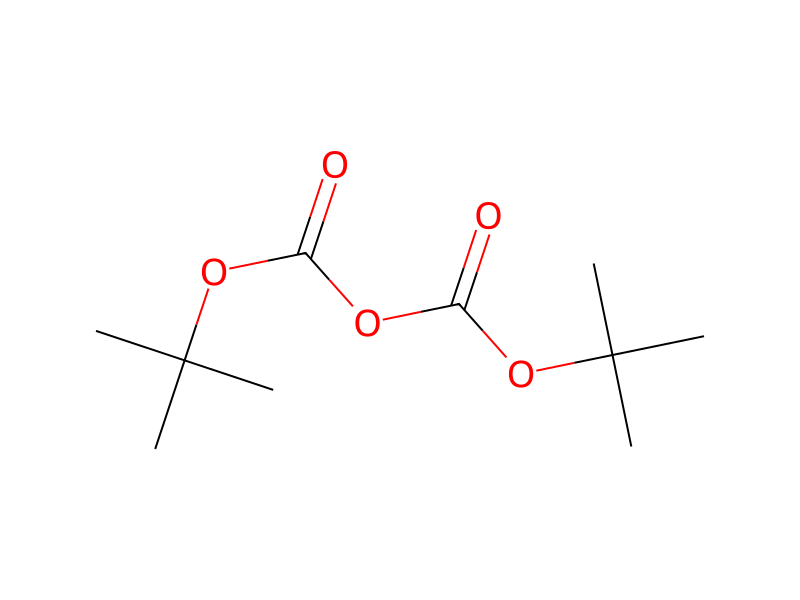
[N+]([C:4]1[CH:9]=[CH:8][N:7]=[C:6]([N:10]2[CH2:15][CH2:14][NH:13][CH2:12][CH2:11]2)[CH:5]=1)([O-])=O.[CH2:16]([N:18](CC)[CH2:19][CH3:20])[CH3:17].C(OC(OC(C)(C)C)=O)(OC(C)(C)C)=O>C(Cl)Cl.CCOCC>[CH2:16]([N:18]([CH2:19][CH3:20])[C:9]1[CH:4]=[CH:5][C:6]([N:10]2[CH2:15][CH2:14][NH:13][CH2:12][CH2:11]2)=[N:7][CH:8]=1)[CH3:17]Participants
6
Reactant 3


Product 1

Reagents, catalysts & solvents 2


Procedure
The amine (21 g), triethylamine (17.9 g) and methylene chloride (600 ml) are cooled to 0°. Di-t-butyl dicarbonate (25.8 g) in methylene chloride (200 ml) is added over 30 min at 0°. The reaction mixture is stirred at 0° for 1 hr and allowed to warm to 20-25°. The reaction mixture is washed with saturated sodium bicarbonate (3×200 ml), dried over potassium carbonate and the solvent removed under reduced pressure to give a solid. The solid is dissolved in ether, petroleum ether is added until the mixture is cloudy, the mixture is filtered thru celite and the filtrate is concentrated to give the protected piperazine compound.
Workup
- temperatureto warm to 20-25°
- washThe reaction mixture is washed with saturated sodium bicarbonate (3×200 ml)
- dry with materialdried over potassium carbonate
- customthe solvent removed under reduced pressure
- customto give a solid
- filtrationthe mixture is filtered thru celite
- concentrationthe filtrate is concentrated
Sources & evidence
- ORD record
- ord-2e5e1074cb194e1198967d50109f4977
- Source dataset
- uspto-grants-1991_02
- Patent number
- US04996318
Reaction notes
Loading…