Carbon Dioxide → HCID 10241131, compound
Reaction equation

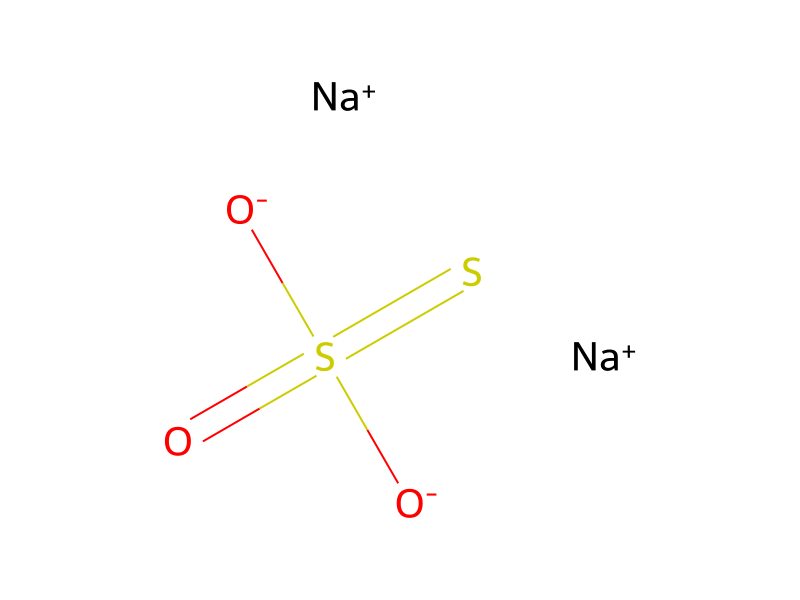
BrBr.[Cl:3][CH2:4][C@@H:5]([OH:12])[CH2:6][C@@H:7]([OH:11])[CH2:8][CH:9]=[O:10].C(=O)(O)[O-].[Na+].C(=O)=O.[O-]S([O-])(=S)=O.[Na+].[Na+]>C(Cl)Cl.O>[OH:11][C@@H:7]1[CH2:6][C@@H:5]([CH2:4][Cl:3])[O:12][C:9](=[O:10])[CH2:8]1Participants







Procedure
At room temperature 2.1 ml bromine was added in 45 minutes to a mixture of 6.7 g (40 mmol) 6-chloro-2,4,6-trideoxy-D-erythro-hexose (compound I; prepared according to the method described in WO-A-96/31615) and 6.7 g sodium bicarbonate in 40 ml methylene chloride and 10 ml water. CO2 gas escaped, while the pH remained at 5. After stirring for one hour, according to gas-liquid chromatography (GLC) the starting material had been fully converted. The bromine excess was neutralized with solid Na2S2O3. After phase separation the water phase was extracted with 2 times 100 ml ethyl acetate. The combined organic phases were dried over-Na2SO4 and filtered. After rotavap evaporation 5.5 g yellow oil was obtained (82% yield of the compound of formula (2) with X═Cl relative to compound 1).
Workup
- customprepared
- customAfter phase separation the water phase
- extractionwas extracted with 2 times 100 ml ethyl acetate
- dry with materialThe combined organic phases were dried over-Na2SO4
- filtrationfiltered
- customAfter rotavap evaporation 5.5 g yellow oil
Sources & evidence
- ORD record
- ord-1d214524b25e4ff392e48c4ba3ed2f68
- Source dataset
- uspto-grants-2005_03
- Patent number
- US06870059B2
Reaction notes
Loading…