Hydrochloric Acid → HCID 86741925, compound
Reaction equation

[ClH:1].Cl.[NH2:3][C@@H:4]([CH2:10][CH:11]1[CH2:16][CH2:15][CH2:14][CH2:13][CH2:12]1)[CH:5]([OH:9])[C:6]([OH:8])=[O:7].[CH:17]1(O)[CH2:21][CH2:20][CH2:19][CH2:18]1>>[ClH:1].[CH:17]1([O:7][C:6](=[O:8])[CH:5]([OH:9])[C@@H:4]([NH2:3])[CH2:10][CH:11]2[CH2:16][CH2:15][CH2:14][CH2:13][CH2:12]2)[CH2:21][CH2:20][CH2:19][CH2:18]1Participants
4

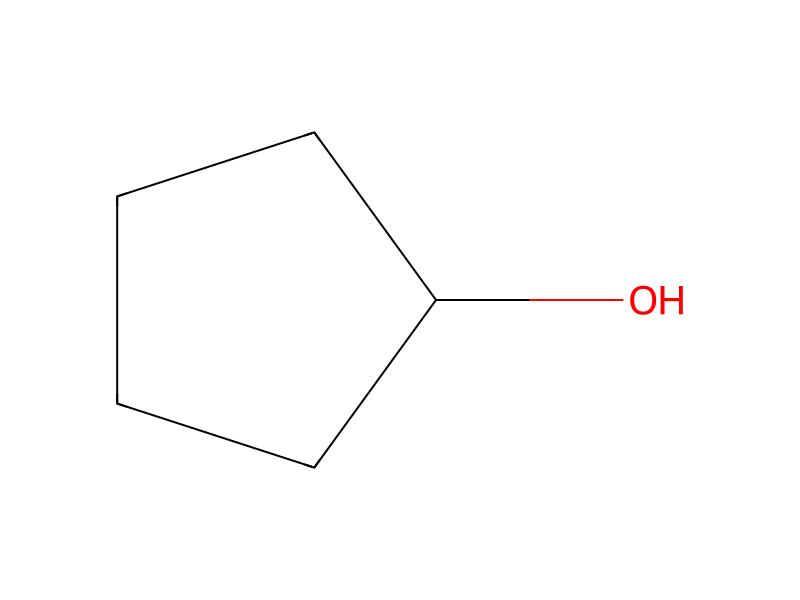


Conditions
- Temperature
- 90 °C
Procedure
Hydrogen chloride was passed into a solution of 300 mg of (2RS, 3S)-3-amino-4-cyclohexyl-2-hydroxybutyric acid hydrochloride, which was prepared in Reference Example 2, in 5 ml of cyclopentyl alcohol with stirring under ice-cooling, and then the mixture was heated at 90° C. for 5 hours. The reaction mixture was evaporated under reduced pressure, and the residue was purified by silica gel column chromatography (eluent: chloroform/methanol=15/1 by volume). The eluate was acidified by adding hydrochloric acid, and then evaporated to dryness under reduced pressure to obtain 380 mg of (2RS, 3S)-3-amino-4-cyclohexyl-2hydroxybutyric acid cyclopentyl ester hydrochloride as a white powder.
Workup
- temperaturecooling
- customThe reaction mixture was evaporated under reduced pressure
- customthe residue was purified by silica gel column chromatography (eluent: chloroform/methanol=15/1 by volume)
- additionby adding hydrochloric acid
- customevaporated to dryness under reduced pressure
Sources & evidence
- ORD record
- ord-1da99f6162584899a4f60dca7bea768d
- Source dataset
- uspto-grants-1987_12
- Patent number
- US04711958
Reaction notes
Loading…