Triphenylphosphine → Triphenylphosphine Oxide
Reaction equation

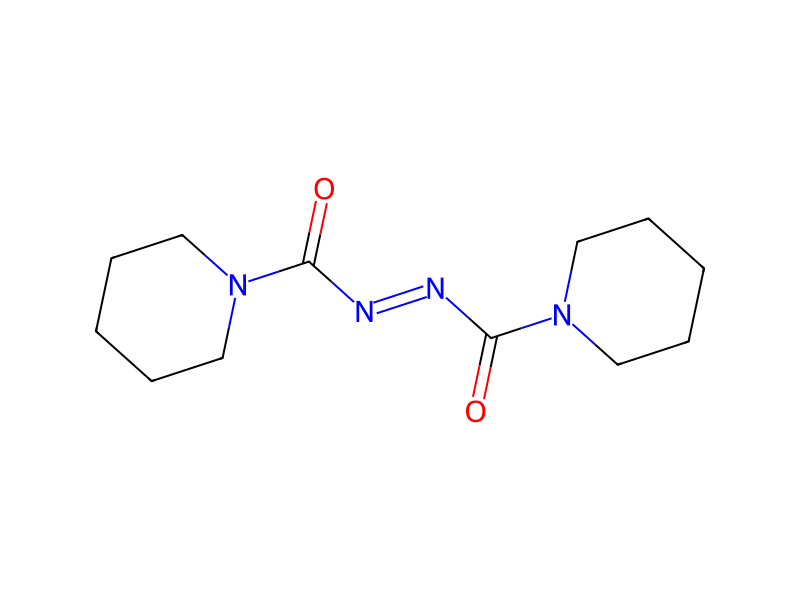
C(C1C=CC(CC[OH:9])=CC=1)#N.C1CCN(C(N=NC(N2CCCCC2)=O)=O)CC1.[C:30]1([P:36]([C:43]2[CH:48]=[CH:47][CH:46]=[CH:45][CH:44]=2)[C:37]2[CH:42]=[CH:41][CH:40]=[CH:39][CH:38]=2)[CH:35]=[CH:34][CH:33]=[CH:32][CH:31]=1>ClCCl>[C:43]1([P:36](=[O:9])([C:30]2[CH:31]=[CH:32][CH:33]=[CH:34][CH:35]=2)[C:37]2[CH:42]=[CH:41][CH:40]=[CH:39][CH:38]=2)[CH:44]=[CH:45][CH:46]=[CH:47][CH:48]=1Participants
Reactant 3


Product 1

Reagents, catalysts & solvents 1

Procedure
Ethyl 2-ethoxy-3-(4-hydroxyphenyl) propanoate, described in example 3(b)(6.62 g; 27.78 mmole) and p-cyanophenethyl alcohol (2.73 g; 18.52 mmole) were mixed in dichloromethane (85 ml). ADDP (7.01 g; 27.78 mmole) was added followed by addition of triphenylphosphine (5.83 g; 22.23 mmole). The reaction was interrupted after 2 hours. Triphenylphosphine oxide formed in the reaction was filtered off and the filtrate was evaporated. The residue was purified bychromatography on silica gel using first dichloromethane and then petroleum ether:diethyl ether as eluants giving a mixture of product and starting material which was dissolved in ethyl acetate and washed with sodium hydroxide (1 N). The organic phase was washed with water, dried (sodium sulfate), filtered and the solvent was evaporated to give 4.23 g (yield 62%) of the desired product.
Sources & evidence
- ORD record
- ord-68cad41a34f74ff186f74c69f7ff7d27
- Source dataset
- uspto-grants-2003_10
- Patent number
- US06630509B2
Reaction notes
Loading…