1-Bromo-3-chloropropane → 2,5-Diazabicyclo[2.2.1]heptane, 2-(3-chloropropyl)-5-phenyl-
Reaction equation

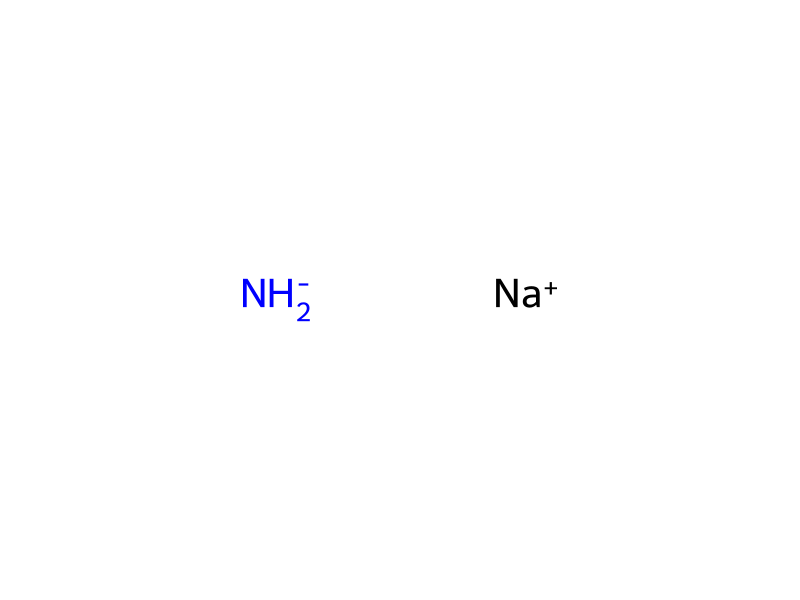
[C:1]1([N:7]2[CH2:12][CH:11]3[CH2:13][CH:8]2[CH2:9][NH:10]3)[CH:6]=[CH:5][CH:4]=[CH:3][CH:2]=1.[NH2-].[Na+].Br[CH2:17][CH2:18][CH2:19][Cl:20]>C1(C)C=CC=CC=1>[Cl:20][CH2:19][CH2:18][CH2:17][N:10]1[CH2:9][CH:8]2[CH2:13][CH:11]1[CH2:12][N:7]2[C:1]1[CH:6]=[CH:5][CH:4]=[CH:3][CH:2]=1Participants
5
Reactant 3


Product 1

Reagents, catalysts & solvents 1

Procedure
129 (1.0 g, 5.7 mmoles), 0.23 g (5.7 mmoles) of sodium amide and 20 mL of toluene are refluxed for 1 hour. After that, 0.93 g (5.7 mmoles) of 1-bromo-3-chloropropane in 10 mL of toluene are added dropwise over a period of 20 minutes and refluxed for 2 hours. After cooling, the reaction mixture is extracted with 2N HCl (2×50 mL) and the aqueous phase made alkaline with 30% sodium hydroxide and extracted with toluene (3×40 mL). Evaporation and bulb tube evaporation (boiling point at 0.05 mbar: 120°-130° C.) resulted in 0.97 g (70.4% of the theoretical yield) of 136 as a colorless oil.
Workup
- temperaturerefluxed for 2 hours
- temperatureAfter cooling
- extractionthe reaction mixture is extracted with 2N HCl (2×50 mL)
- extractionextracted with toluene (3×40 mL)
- customEvaporation and bulb tube evaporation (boiling point at 0.05 mbar: 120°-130° C.)
- customresulted in 0.97 g (70.4% of the
Sources & evidence
- ORD record
- ord-5abbae97ef64482ba238064f84f6d321
- Source dataset
- uspto-grants-2003_10
- Patent number
- US06638925B2
Reaction notes
Loading…