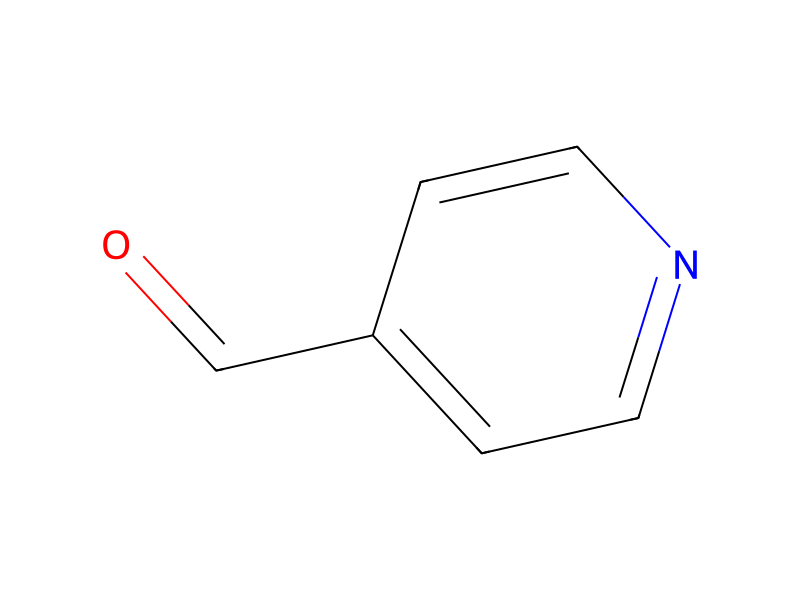
4-Pyridinecarboxaldehyde → HCID 9840195, compound
Reaction equation

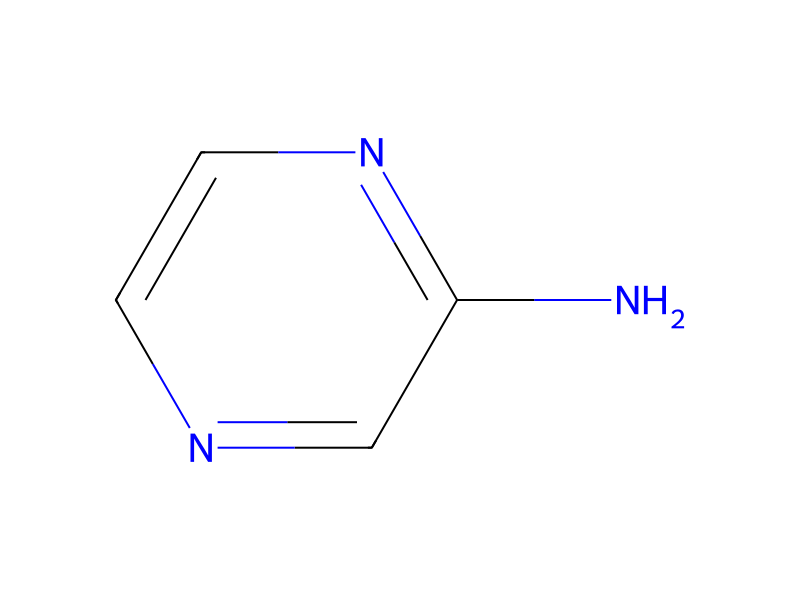
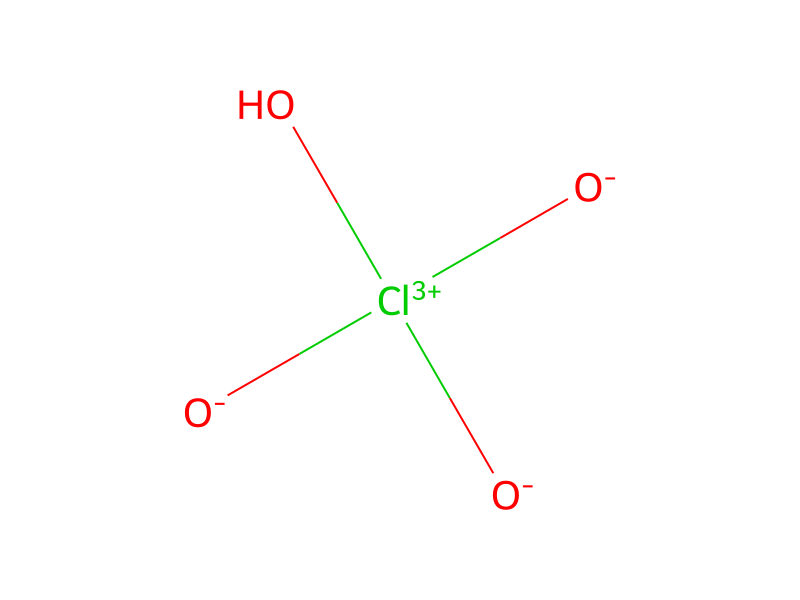
[NH2:1][C:2]1[CH:7]=[N:6][CH:5]=[CH:4][N:3]=1.[CH3:8][C:9]([N+:16]#[C-:17])([CH3:15])[CH2:10][C:11]([CH3:14])([CH3:13])[CH3:12].[N:18]1[CH:23]=[CH:22][C:21]([CH:24]=O)=[CH:20][CH:19]=1>Cl(O)(=O)(=O)=O>[N:18]1[CH:23]=[CH:22][C:21]([C:24]2[N:1]=[C:2]3[CH:7]=[N:6][CH:5]=[CH:4][N:3]3[C:17]=2[NH:16][C:9]([CH3:15])([CH3:8])[CH2:10][C:11]([CH3:14])([CH3:13])[CH3:12])=[CH:20][CH:19]=1Participants
5
Reactant 3

Product 1

Reagents, catalysts & solvents 1
Procedure
Compound (8) was prepared in accordance with general instructions 1 from 1.0 ml aminopyrazine solution (0.1 M, MC), 0.575 ml 1,1,3,3-tetramethylbutyl isocyanide (0.2 M, MC), 0.500 ml pyridine-4-carbaldehyde solution (0.3 M, MC), and 10 μl perchloric acid (w=20%).
Sources & evidence
- ORD record
- ord-8a444f4ed0b3403fabd989545d3d349b
- Source dataset
- uspto-grants-2003_10
- Patent number
- US06638933B2
Reaction notes
Loading…