Urea → 5-Methylthio-6-trifluoromethyl-1-(3-ethoxycarbonylphenyl carbamoyl)-indoline
Reaction equation

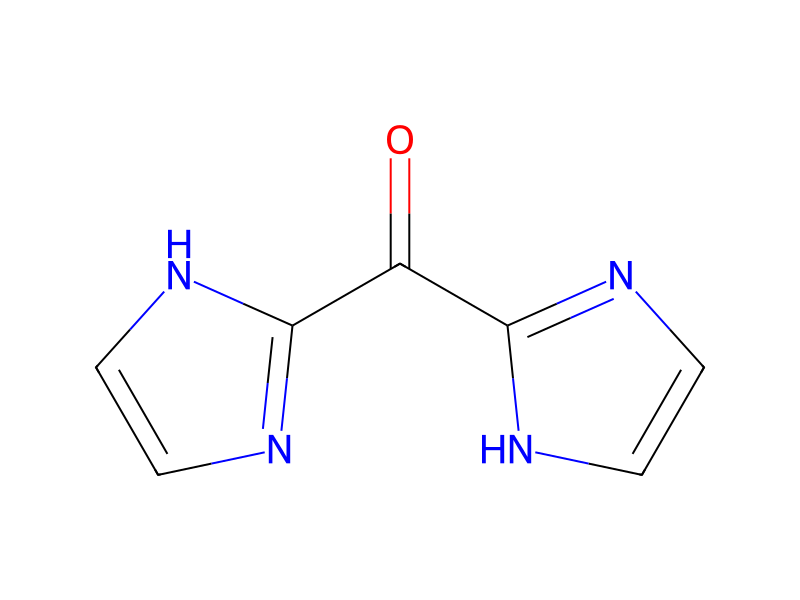
[NH2:1][C:2]([NH2:4])=[O:3].N[C:6]1[CH:7]=[C:8]([CH:14]=[CH:15][CH:16]=1)[C:9]([O:11][CH2:12][CH3:13])=[O:10].[CH3:17][S:18][C:19]1[CH:20]=[C:21]2[C:25](=[CH:26][C:27]=1[C:28]([F:31])([F:30])[F:29])N[CH2:23][CH2:22]2.C(C1NC=CN=1)(C1NC=CN=1)=O>>[CH3:17][S:18][C:19]1[CH:20]=[C:21]2[C:25](=[CH:26][C:27]=1[C:28]([F:29])([F:31])[F:30])[N:1]([C:2](=[O:3])[NH:4][C:15]1[CH:16]=[CH:6][CH:7]=[C:8]([C:9]([O:11][CH2:12][CH3:13])=[O:10])[CH:14]=1)[CH2:23][CH2:22]2Participants
5




Procedure
This was prepared in 74% yield by urea formation between ethyl 3-aminobenzoate and 5-methylthio-6-trifluoromethyl indoline, (D7) using carbonyl diimidazole as the coupling agent.
Sources & evidence
- ORD record
- ord-8706c2ec94384d1796f9b5149ec03087
- Source dataset
- uspto-grants-2003_10
- Patent number
- US06638953B2
Reaction notes
Loading…