Hydrochloric Acid → HCID 22262493, compound
Reaction equation

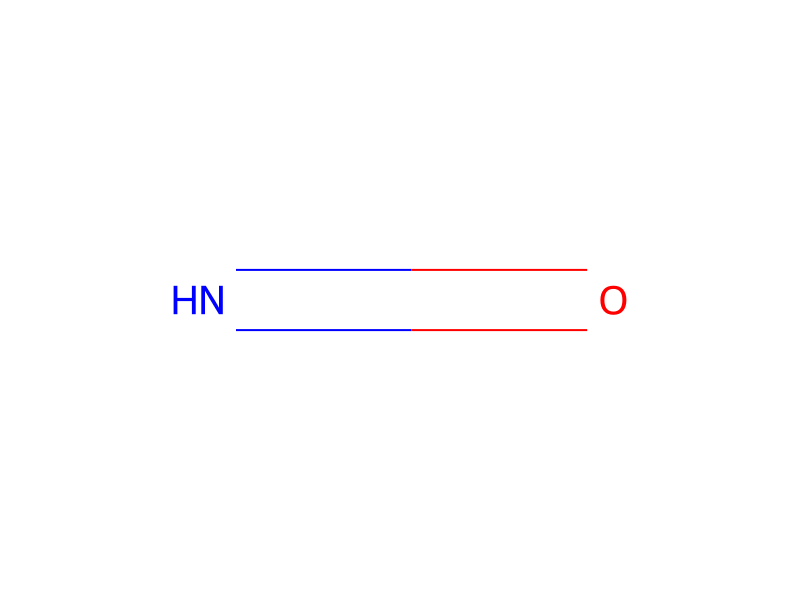
[NH:1]1[C:10]2[C:5](=[CH:6][CH:7]=[CH:8][CH:9]=2)[CH:4]=[CH:3][C:2]1=[O:11].N=[O:13].Cl>>[N:1]1[C:2](=[O:11])[C:3](=[O:13])[CH:4]=[C:5]2[C:10]=1[CH:9]=[CH:8][CH:7]=[CH:6]2Participants



Procedure
Quinolinone compounds (e.g., Structure 16) may be converted into corresponding quinoline-diones (e.g., Structure 24), hydroxy quinolinones (e.g., Structure 25), and quinoline-thiones (e.g., Structures 26 and 27) by the processes shown in Scheme V. The process of Scheme V begins with the deprotection of the imino ether of Structure 16 by treatment with a mineral acid, for example, hydrochloric acid, to afford a quinoline-dione compound of Structure 24. Alternatively, this transformation can be carried out with a Lewis acid, for example, boron trichloride, to afford a quinoline-dione compound (e.g., Structure 24). See T. Sala, et al., supra. A quinoline-dione compound (e.g., Structure 24) can be converted to a hydroxy quinoline compound (e.g., Structure 25) by addition of an organometallic reagent, for example, methyl lithium, which affords a hydroxy quinoline compound (Structure 25).
Sources & evidence
- ORD record
- ord-1db78098c4204904b61e3e7a1eb641e0
- Source dataset
- uspto-grants-2002_10
- Patent number
- US06462038B1
Reaction notes
Loading…