Hydrogen Sulfide → 3,14-Dioxa-8,9-dithia-4,13-disilahexadecane, 4,4,13,13-tetraethoxy-
Reaction equation

Cl[CH2:2][CH2:3][CH2:4][Si:5]([O:12][CH2:13][CH3:14])([O:9][CH2:10][CH3:11])[O:6][CH2:7][CH3:8].[S].[S-2:16].[Na+].[Na+].[SH2:19]>O.C(O)C>[CH2:7]([O:6][Si:5]([CH2:4][CH2:3][CH2:2][S:16][S:19][CH2:2][CH2:3][CH2:4][Si:5]([O:6][CH2:7][CH3:8])([O:12][CH2:13][CH3:14])[O:9][CH2:10][CH3:11])([O:12][CH2:13][CH3:14])[O:9][CH2:10][CH3:11])[CH3:8]Participants
7





Procedure
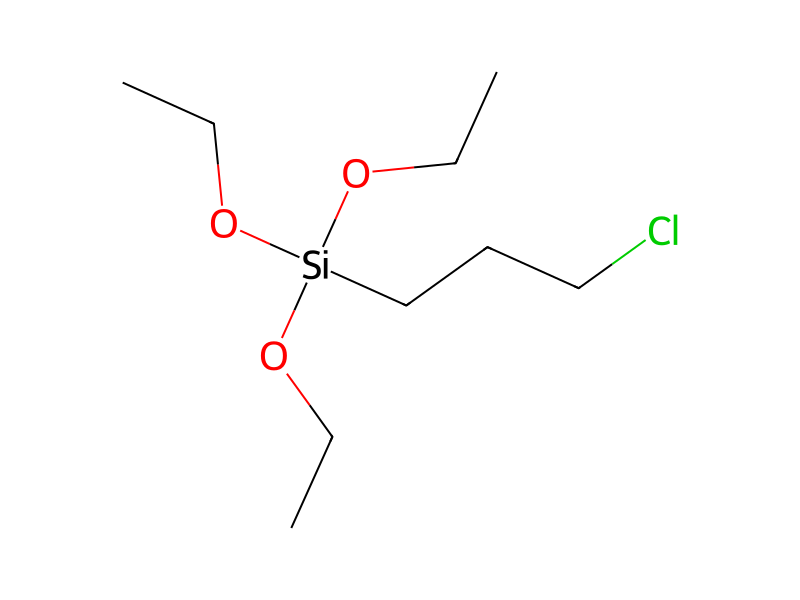
A mixture of 129 l of ethanol and 129 l of 3-chloropropyltriethoxysilane is placed in the reactor of comparison example 1. 13.85 kg of sulfur in molten form is then metered in through a fine nozzle. 35.6 kg of virtually anhydrous sodium sulfide is then added. The temperature of the reactor contents rises to 82° C. on account of the exothermic reaction. The reaction mixture is kept for a further 1.5 hours at 82-83° C. and then cooled. The reaction mixture is worked up as in comparison example 1. An almost water-white product is obtained. HPLC analysis confirms in this case too the presence of a polysulfane mixture with a mean chain length of 2, though the mixture has a high monosulfane content.
Workup
- customThe temperature of the reactor contents rises to 82° C. on account of the exothermic reaction
- temperaturecooled
Sources & evidence
- ORD record
- ord-3e7d870aabb2403dab27c046e34392e8
- Source dataset
- uspto-grants-2002_10
- Patent number
- US06465672B2
Reaction notes
Loading…