Hydrogen Sulfide → 3,14-Dioxa-8,9-dithia-4,13-disilahexadecane, 4,4,13,13-tetraethoxy-
Reaction equation

Cl[CH2:2][CH2:3][CH2:4][Si:5]([O:12][CH2:13][CH3:14])([O:9][CH2:10][CH3:11])[O:6][CH2:7][CH3:8].[S].[S-2:16].[Na+].[Na+].[SH2:19]>O.C(O)C>[CH2:7]([O:6][Si:5]([CH2:4][CH2:3][CH2:2][S:16][S:19][CH2:2][CH2:3][CH2:4][Si:5]([O:6][CH2:7][CH3:8])([O:12][CH2:13][CH3:14])[O:9][CH2:10][CH3:11])([O:12][CH2:13][CH3:14])[O:9][CH2:10][CH3:11])[CH3:8]Participants
7
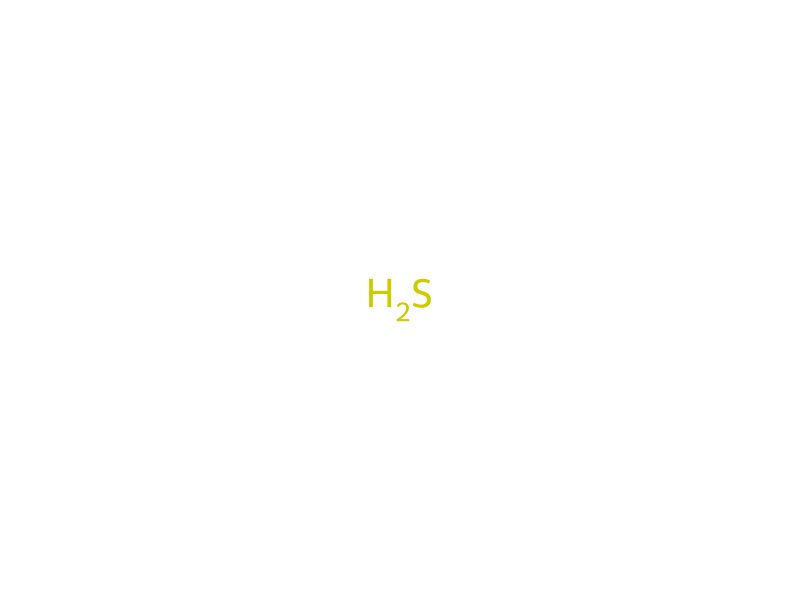

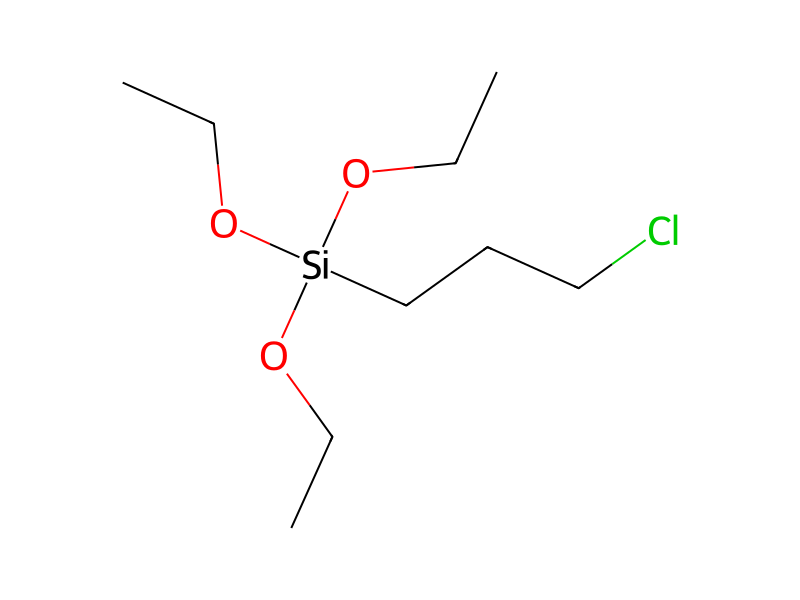




Procedure
A mixture of 129 l of ethanol and 129 l of 3-chloropropyltriethoxysilane is placed in the reactor of comparison example 1. 13.85 kg of sulfur in the form of granules is metered in. 35.6 kg of virtually anhydrous sodium sulfide is then added. The temperature of the reactor contents rises to 82° C. on account of the exothermic reaction. The reaction mixture is kept for a further 1.5 hours at 82-83° C. and then cooled. The reaction mixture is worked up as in comparison example 1. An almost water-white product is obtained. HPLC analysis confirms in this case too the presence of a polysulfane mixture with a mean chain length of 2, though the mixture has a high monosulfane content.
Workup
- customThe temperature of the reactor contents rises to 82° C. on account of the exothermic reaction
- temperaturecooled
Sources & evidence
- ORD record
- ord-ea86db37e155412f93250386da05fa5a
- Source dataset
- uspto-grants-2002_10
- Patent number
- US06465672B2
Reaction notes
Loading…