Diisopropylamine → 1,1-diethyl-2-phenylhydrazine
Reaction equation

Cl.Cl.[CH2:3]([NH:5][NH:6][CH2:7][CH3:8])[CH3:4].Br[C:10]1[CH:15]=CC=[CH:12][CH:11]=1.[CH:16]1C=CC(P(C2C(C3C(P(C4C=CC=CC=4)C4C=CC=CC=4)=CC=C4C=3C=CC=C4)=C3C(C=CC=C3)=CC=2)C2C=CC=CC=2)=C[CH:21]=1.CC([O-])(C)C.[Na+].C(NC(C)C)(C)C>CC([O-])=O.CC([O-])=O.[Pd+2]>[CH2:3]([N:5]([CH2:16][CH3:21])[NH:6][C:7]1[CH:12]=[CH:11][CH:10]=[CH:15][CH:8]=1)[CH3:4]Participants
7





Conditions
- Temperature
- 80 °C
Procedure
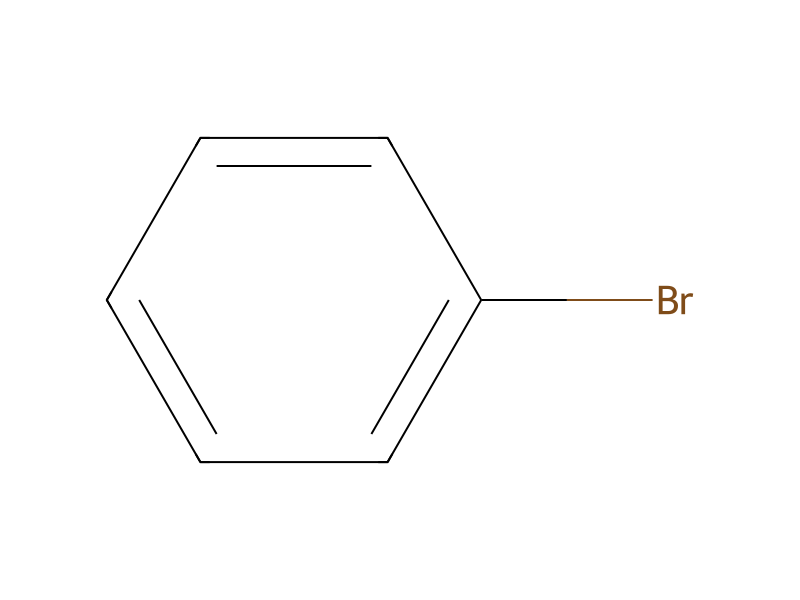
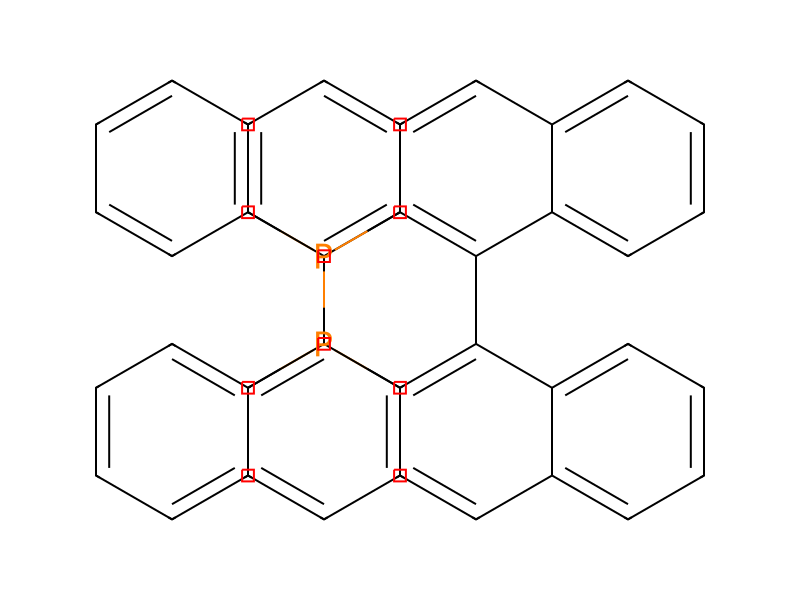
1,2-Diethylhydrazine dihydrochloride (1.2 equiv., 0.6 mmol, 97 mg), bromobenzene (1.0 equiv., 0.5 mmol, 0.05 mL), Pd(OAc)2 (0.05 equiv, 0.025 mmol, 6 mg), BINAP (0.05 equiv., 0.025 mmol, 16 mg), and NaOtBu (3.8 equiv., 1.9 mmol, 183 mg) and diisopropylamine (2 mL) were added to a flame dried test tube which was capped with a septum and purged briefly with argon (˜1 min.) and then heated to 80° C. for 4 hours. The reaction was then cooled to room temperature, diluted with Et2O (2 mL), filtered through Celite and concentrated under vacuum. The crude mixture was purified by flash column chromatography (2% EtOAc/Hex) to give the title product as a viscous yellow oil (27 mg, 0.16 mmol, 33% yield).
Workup
- customdried test tube which
- customwas capped with a septum
- custompurged briefly with argon (˜1 min.)
- temperatureThe reaction was then cooled to room temperature
- additiondiluted with Et2O (2 mL)
- filtrationfiltered through Celite
- concentrationconcentrated under vacuum
- customThe crude mixture was purified by flash column chromatography (2% EtOAc/Hex)
Sources & evidence
- ORD record
- ord-665a10ff9f9843b9b05ca8d1783d610e
- Source dataset
- uspto-grants-2002_10
- Patent number
- US06465693B2
Reaction notes
Loading…