
Grundinformationen
- Standard-SMILES
[Ir]- InChIKey
GKOZUEZYRPOHIO-UHFFFAOYSA-N- Summenformel
- Ir
- Durchschnittliche Molmasse
- 192,22 g/mol
- Monoisotopische Masse
- 192,9629264
Überblick
Iridium atom is a cobalt group element atom and a platinum group metal atom.
Namen und Bezeichner
- Bevorzugter Name
- Iridium
- IUPAC
- iridium
- Lokaler Name
- Iridium
- Englischer Name
- Iridium
- Summenformel
- Ir
- Molmasse
- 192.22
Namen und Synonyme
IRIDIUM7439-88-5Iridium metallicumIridium, elementalIRDTXSID0064674CHEBI:4966644448S9773WEAKNESSRefChem:55407DTXCID8047636231-095-9
Weitere Namen anzeigen
IRIDIUM POWDERIridium CIRIDIUM ON ALUMINAIRIDIUM ICP STANDARDIridium powder, -22 mesh, Premion(R), 99.99% (metals basis)IR000210IR005140IR005102
iridium atomIridium blackIridium wireMFCD00011062HSDB 7067EINECS 231-095-9UNII-44448S9773Iridium powder, -325 mesh
Datenbank-Bezeichner
- CAS
22542-08-1、7439-88-5- PubChem CID
- 23924
- DTXSID
DTXSID0064674- ChEBI
CHEBI:49666- UNII
- 44448S9773
- EC Number
- 231-095-9
- Nikkaji
- J1.399.323H、J1.429.394I、J95.172B
Eigenschaften
Berechnete Struktureigenschaften
- Polarare Oberfläche (TPSA)
- 0 Ų
- H-Brücken-Donoren
- 0
- H-Brücken-Akzeptoren
- 0
- Frei drehbare Bindungen
- 0
- Schwere Atome
- 1
- Formalladung
- 0
- Komplexität
- 0
Experimentelle und physikochemische Eigenschaften
Chemical ClassesMetals -> Elements, Metallic
SpringerMaterials Propertieselectron density of states
Density
22.42 at 17 °C
21.56 @25 °C
Color/FormSilver-white, face-centered cubic lattice
CorrosivityNot attacked by any acid or by aqua regia.
Boiling Point
4,428 °C
4428 °C @760 [mm Hg]
Melting Point2,446 °C
Vapor Pressure0.467 Pa at melting point
Physical DescriptionSilver-white metal; [Hawley]
Other Experimental Properties
Powdered iridium metal can ignite in air.
Enthalpy of fusion 41.12 kJ/mol
Specific heat 0.0307 cal/g/deg C; Mohs' hardness 6.5
Best solvent: concentrated hydrochloric acid and sodium perchlorate at 125 to 150 °C
For more Other Experimental Properties (Complete) data for IRIDIUM, ELEMENTAL (6 total), please visit the HSDB record page.
Physikochemische Eigenschaften
- Schmelzpunkt
- 2450 °C · 2450 °C (lit.)
- Siedepunkt
- 4130 °C · 4130 °C (lit.)
- Dichte
- 22.65 g/cm3 · 22.65 g/cm3 (lit.)
- storage temp.
- Flammables area
- Löslichkeit
- Soluble in aqua regia.
- Aggregatzustand
- wire
- Farbe
- White to pale yellow
- Wichte
- 22.421 · 22.421
- Wasserlöslichkeit
- INSOLUBLE
- Spezifische Wärmekapazität
- 0.13 J/ · Cp(crystal): 0.13 J/(g·K); Cp(gas): 0.11 J/(g·K), at 25℃
- Merck
- 13 · 13,5102
- InChI
- 1S/Ir
- InChIKey
- GKOZUEZYRPOHIO-UHFFFAOYSA-N
- SMILES
- [Ir]
- Hardness, Brinell
- 352 · 352, Converted from Vickers for 3000 kg load/10 mm ball Brinell test.
- Hardness, Rockwell A
- 69 · 69, Converted from Vickers.
- Hardness, Rockwell C
- 37 · 37, Converted from Vickers.
- Hardness, Vickers
- 370 · 370
- Modulus of Elasticity
- 524 GPa · 524 GPa
- Poissons Ratio
- 0.26 · 0.26
- Shear Modulus
- 208 GPa, · 208 GPa, Calculated
- CAS Datenbank
- 7439 · 7439-88-5(CAS DataBase Reference)
- NIST chemische Informationen
- Iridium(7439-88-5)
- EPA chemische Informationen
- Iridium (7439-88-5)
Sicherheit und Regulatorisches
GHS-Klassifizierung
GHS Classification
This chemical does not meet GHS hazard criteria for 36.9% (92 of 249) of reports.
Danger
H228 (18.1%): Flammable solid [Danger Flammable solids]
P210, P240, P241, P264+P265, P273, P280, P305+P351+P338, P337+P317, P370+P378, and P501 (click each P-code to see the statement)
Aggregated GHS information provided per 249 reports by companies from 9 notifications to the ECHA C&L Inventory. Each notification may be associated with multiple companies.
Gefahrenhinweise
Regulatory Information
Chemical: Iridium
Status: Active Update: 17-03-2021 https://echa.europa.eu/registration-dossier/-/registered-dossier/17763
Iridium, powder: Does not have an individual approval but may be used under an appropriate group standard
Other Safety InformationIMAP assessments - Iridium: Human health tier I assessment
Fire PotentialThe finely divided catalytic metal may be pyrophoric.
Hazards Summary
Iridium salts can cause immunologic, occupational contact urticaria; [Kanerva, p. 219] The metals in this group [platinum, palladium, iridium, osmium, rhodium, and ruthenium] generally are nontoxic in the metallic state, but the soluble halide salts (particularly of Pt) and osmium tetroxide are highly reactive. Exposure to these elements results in hypersensitivity allergic reactions in susceptible individuals. [Sullivan, p. 911] See Iridium-192.
Hazard Classes and CategoriesFlam. Sol. 1 (18.1%)
Hazardous Reactivities and IncompatibilitiesA catalytic metal. The powdered metal may ignite spontaneously in air. Violent reaction or ignition on contact with interhalogens (e.g., bromine pentafluoride; chlorine trifluoride).
Sicherheit und Schutzausrüstung
Disposal Methods
SRP: The most favorable course of action is to use an alternative chemical product with less inherent propensity for occupational exposure or environmental contamination. Recycle any unused portion of the material for its approved use or return it to the manufacturer or supplier. Ultimate disposal of the chemical must consider: the material's impact on air quality; potential migration in soil or water; effects on animal, aquatic, and plant life; and conformance with environmental and public health regulations
Protective Action Criteria (PAC)
12 [mg/m3]
130 [mg/m3]
790 [mg/m3]
Toxikologische Informationen
Antidote and Emergency Treatment
Basic treatment: Establish a patent airway. Suction if necessary. Watch for signs of respiratory insufficiency and assist ventilations if needed. Administer oxygen by nonrebreather mask at 10 to 15 L/min. Monitor for pulmonary edema and treat if necessary ... . Monitor for shock and treat if necessary ... . Anticipate seizures and treat if necessary ... . For eye contamination, flush eyes immediately with water. Irrigate each eye continuously with normal saline during transport ... . Do not use emetics. For ingestion, rinse mouth and administer 5 mL/kg up to 200 mL of water for dilution if the patient can swallow, has a strong gag reflex, and does not drool ... . Cover skin burns with dry sterile dressings after decontamination ... . /Poison A and B/
Advanced treatment: Consider orotracheal or nasotracheal intubation for airway control in the patient who is unconscious, has severe pulmonary edema, or is in respiratory arrest. Positive pressure ventilation techniques with a bag valve mask device may be beneficial. Consider drug therapy for pulmonary edema ... . Monitor cardiac rhythm and treat arrhythmias as necessary ... . Start an IV with D5W TKO /"To keep open", minimal flow rate/. Use lactated Ringer's if signs of hypovolemia are present. Watch for signs of fluid overload. For hypotension with signs of hypovolemia, administer fluid cautiously. Watch for signs of fluid overload ... . Treat seizures with diazepam (Valium) ... . Use proparacaine hydrochloride to assist eye irrigation ... . /Poison A and B/
Sicherheitsdaten
- wgk
- 3
- tsca
- TSCA listed
- ridadr
- UN 3089 4.1/PG 2
- hs_code
- 28439000
- risk_code
- 36-36/37/38-11
- hazard_code
- F,Xi
- safety_code
- 16-26-36/37/39
- hazard_class
- 4.1
- packing_group
- III
- Giftige Stoffe Daten
- 7439-88-5(Hazardous Substances Data)
Chemie und Industrie
Verwendung und Herstellung
Uses
Used to harden platinum alloys for pen points, compass bearings, electrical contacts, laboratory ware, extrusion dies, and jewelry; [HSDB]
Metal Preparation and Pouring [Category: Foundry]
Jewelry making [Category: Hobbies]
Alloy with platinum for ammonia fuel-cell catalyst, electric contacts and thermocouples, commercial electrodes and resistance wires, laboratory ware, extrusion dies for glass fibers, jewelry. Primary standards of weight and length. /The meter was intended to equal 10-7 or one ten-millionth of the length of the meridian through Paris from pole to the equator. However, the first prototype was short by 0.2 millimeters because researchers miscalculated the flattening of the earth due to its rotation. Still this length became the standard (the platinum-iridium alloy called the "1874 Alloy.") In 1889, a new international prototype was made of an alloy of platinum with 10 percent iridium, to within 0.0001, that was to be measured at the melting point of ice. In 1927, the meter was more precisely defined as the distance, at 0 deg, between the axes of the two central lines marked on the bar of platinum-iridium kept at the BIPM, and declared Prototype of the meter by the 1st CGPM, this bar being subject to standard atmospheric pressure and supported on two cylinders of at least one centimeter diameter, symmetrically placed in the same horizontal plane at a distance of 571 mm from each other. The 1889 definition of the meter, based upon the artifact international prototype of platinum-iridium, was replaced ... in 1960 using a definition based upon a wavelength of krypton-86 radiation. (See http://physics.nist.gov/cuu/Units/meter.html for a discussion of the platinum-iridium bar as the historical standard of length.)
Its principal use is as a hardening agent for platinum. With osmium, it forms an alloy which is used for tipping pens and compass bearings.
In manufacturing crucibles; in hardening platinum; in making nibs for fountain-pen points.
U.S. Imports
(2000) 2,700 kg
(2001) 3,110 kg
(2002) 2,100 kg
(2003) 2,200 kg
(2004) 3,900 kg (estimated)
Methods of Manufacturing
The best method of producing iridium is to reduce ammonium hexachloroiridate(IV), (NH4)2[IrCl6], in a hydrogen atmosphere ca. 800 °C, yielding the metal powder. Calcination in air gives an oxide-containing material. Wet chemical reduction with hydrazine is possible only in strongly alkaline sodium hydroxide solution and does not always go to completion.
The powder is obtained by hydrogen reduction of ammonium chloroiridate.
Formulations/PreparationsOccurs with platinum, remains insoluble when the crude platinum is treated with aqua regia, occurs as iridosmine. The powder is obtained by hydrogen reduction of ammonium chloroiridate.
General Manufacturing InformationIridium: ACTIVE
Anwendungen
OccurrenceIridium is the 83rd most abundant element and is found mixed with platinum, osmium,and nickel ores. The minerals containing iridium are found in Russia, South Africa, Canada,and Alaska.Iridium metal is separated from its other metal ores when the combined minerals aredissolved with a strong acid know as aqua regia, which is a mixture of 25% nitric acid and75% hydrochloric acid. Aqua regia is the only acid that will dissolve platinum and gold.Once the platinum and other metals are dissolved, the iridium, which is insoluble in thisstrong acid, becomes the residue. The refined iridium ends up in the form of either powderor crystals.An interesting story as to how most of the iridium appeared on Earth was explainedrecently by scientists who discovered a thin layer of iridium in the sediments that were laiddown in the Earth’s crust at the end of the Cretaceous period. This was a period about 65 millionyears ago when meteors and asteroids crashed into the Earth. These extraterrestrial bodiescontained a high percentage of iridium. Dust from the impact spread around the Earth andblocked the sun for months, resulting in the extinction of many plants and animals, includingthe dinosaurs. This extensive dust cloud also deposited a thin coat of the element iridium thatwas contained in the fiery bolides.
VerwendenIridium’s most common use is as an alloy metal that, when added to platinum, makes itharder and more durable. It is also mixed with other metals to make electrical contacts, thermocouples(two dissimilar metals joined to form a special type of thermometer), and instrumentsthat will withstand high temperatures without breaking down. It is also used to makespecial laboratory vessels because iridium will not react with most chemical substances. Analloy of iridium and platinum is used as the standard kilogram weight because it is noncorrosiveand will not oxidize and, thus, change its weight over long periods of time.The radioisotope, iridium-192, is used to treat cancer and to take X-ray pictures of metalcastings to detect flaws. Iridium is also used as a catalyst for several chemical reactions.
Vor- und nachgelagerte Produkte
Vorgelagerte Rohstoffe
Nachgelagerte Produkte
Anbieter50 Anbieter
北京华美互利生物化工010-56205725 · [email protected]
湖北永阔科技有限公司027-59223108 15972152991 · [email protected]
上海阿拉丁生化科技股份有限公司400-6206333 13167063860 · [email protected]
韶远科技(上海)有限公司021-50795510 4000665055 · [email protected]
安徽旺山旺水特种气体有限公司15906197626 · [email protected]
天津市光复科技发展有限公司022-85689490 13132141716 · [email protected]
杭州奥得科技有限公司0571-88772972-0 15057128248 · [email protected]
杭州品高化工有限公司0571-87658025 · [email protected]
河南多贝化工有限公司0370-6999054 17550096163 · [email protected]
清宁生物(江苏博泉生物科技有限公司)19352250998 · [email protected]
VladaChem GmbH+49-7246-3082843 +86-18411632868 · [email protected]
江苏星科元信息科技有限公司400-605-7200 15335295587
湖南省华中特种气体有限公司0734-8755555 15674722888 · [email protected]
山东中图化工有限公司17864755731 · [email protected]
广东百科试剂有限公司13532366769 13686183698 · [email protected]
郑州德元凯化工有限公司17837139533 · [email protected]
阿法埃莎(中国)化学有限公司400-6106006 · [email protected]
安耐吉化学&3A(安徽泽升科技股份有限公司)400-0056266 · [email protected]
欧利希(湖北)医药科技有限公司17316404525 17316404525 · [email protected]
广东云星生物技术有限公司0751-18902340975/189023400307 18902340307 · [email protected]
上海瀚鸿科技股份有限公司021-54306202 13764082696 · [email protected]
尚澜气体(上海)有限公司4001882517 13323475516 · [email protected]
怀化市冰峰化工有限公司0745-2866851 17711757908 · [email protected]
Zhejiang J&C Biological Technology Co.,Limited+1-2135480471 · [email protected]
武汉贝乐叶生物医药科技有限公司15871353653 18086118076 · [email protected]
山东西亚化学有限公司13355009207 13355009207 · [email protected]
四川库利南科技有限公司400-1166-196 18981987031 · [email protected]
Hebei Qige Biological Technology Co. Ltd+86 +8618733132031
斯百全化学(上海)有限公司021-021-021-67601398-809-809-809 15221380277 · [email protected]
赛默飞世尔科技(中国)有限公司800-810-5118 · [email protected]
广东顺奥化学试剂有限公司19928586137 · [email protected]
苏州亚科科技股份有限公司0512-87182055 13451648594 · [email protected]
福斯曼科技(北京)有限公司64646565 18210196513 · [email protected]
上海麦克林生化科技股份有限公司15221275939 15221275939 · [email protected]
上海兴鲁化工科技有限公司02120970332 · [email protected]
成都润泽本土化工有限公司13096311329 028-88469284 616445927 · [email protected]
池州凯隆进出口贸易有限公司[email protected]
Sigma-Aldrich西格玛奥德里奇(上海)贸易有限公司021-61415566 800-8193336 · [email protected]
Henan Alfa Chemical Co., Ltd+8618339805032 · [email protected]
广东翁江化学试剂有限公司0751-2815987 13927875076 · [email protected]
上海卜微应用材料技术有限公司021-64112762 18930491979
上海玻尔化学试剂有限公司19102157732 · [email protected]
山东博亿生物技术有限公司19025109915 · [email protected]
陕西缔都医药化工有限公司029-029-81120477 17792793610 · [email protected]
成都润泽本土化工有限公司028-88469284 18000562381 · [email protected]
陕西缔都医药化工有限公司+86-29-81139210 +86-17392587031 · [email protected]
浙江亚美纳米科技有限公司400-8200386 13456373028 · [email protected]
北京华威锐科化工科技有限公司89508211 18501085097 · [email protected]
艾万拓威达优尔国际贸易(上海)有限公司400-821-8006 · [email protected]
上海源叶生物科技有限公司13636370518 · [email protected]
Ergänzende Hinweise
Definitioniridium: Symbol Ir. A silvery metallictransition element; a.n. 77; r.a.m. 192.20;r.d. 22.42; m.p. 2410°C; b.p. 4130°C.It occurs with platinum and ismainly used in alloys with platinumand osmium. The element forms arange of iridium(III) and iridium(IV)complexes. It was discovered in 1804by Smithson Tennant (1761–1815).
Zugehörige Reaktionen
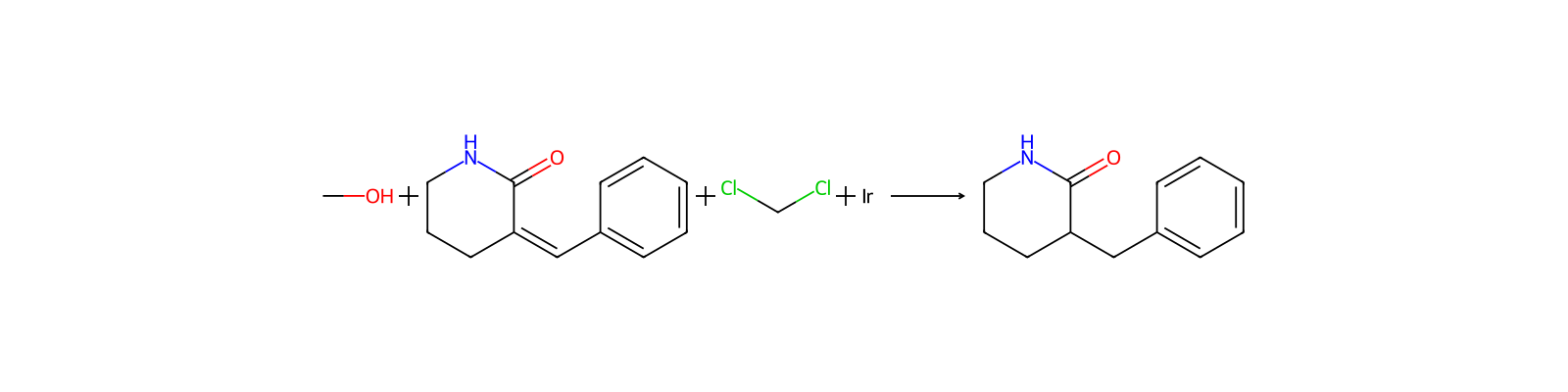
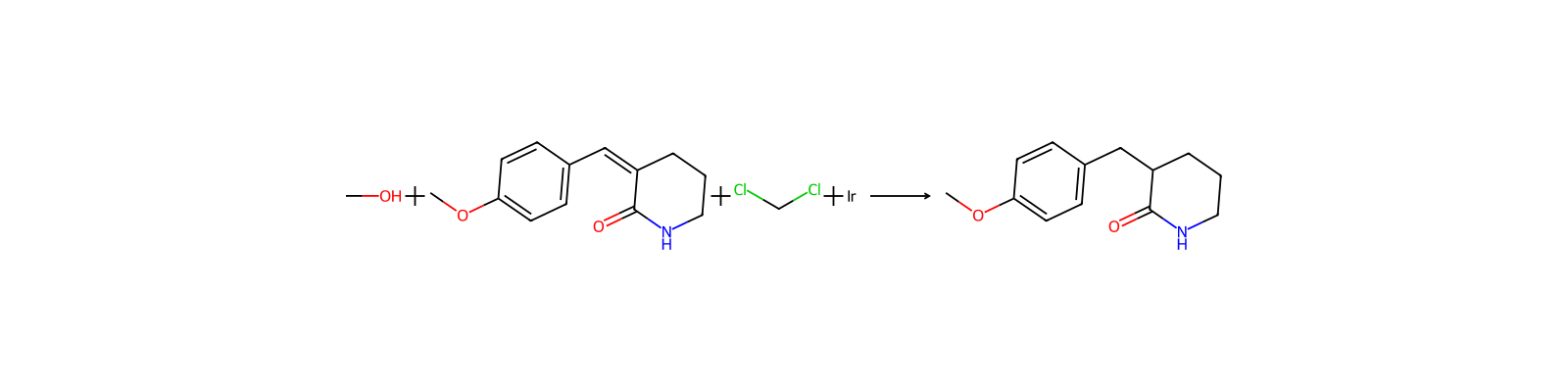
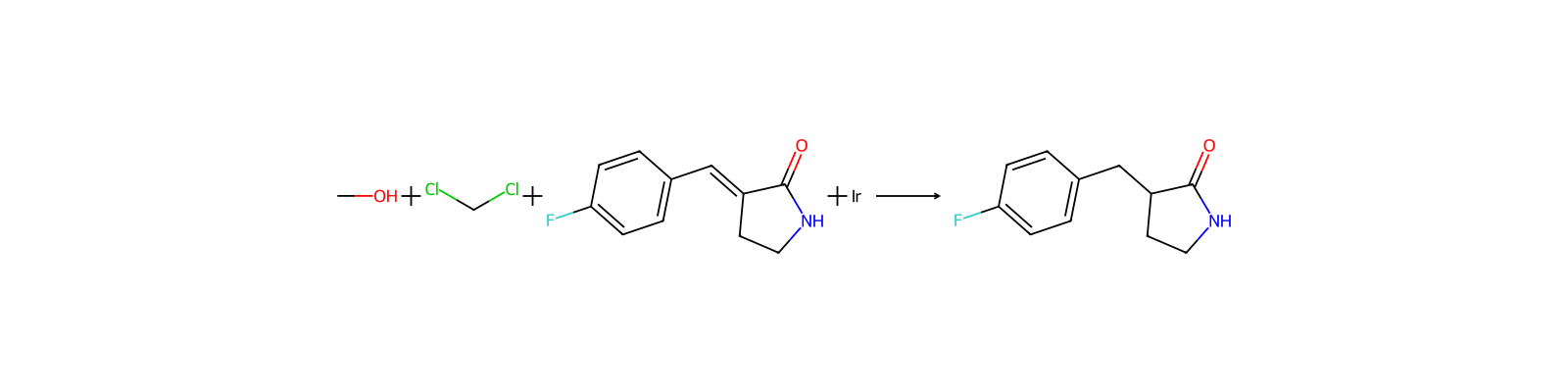
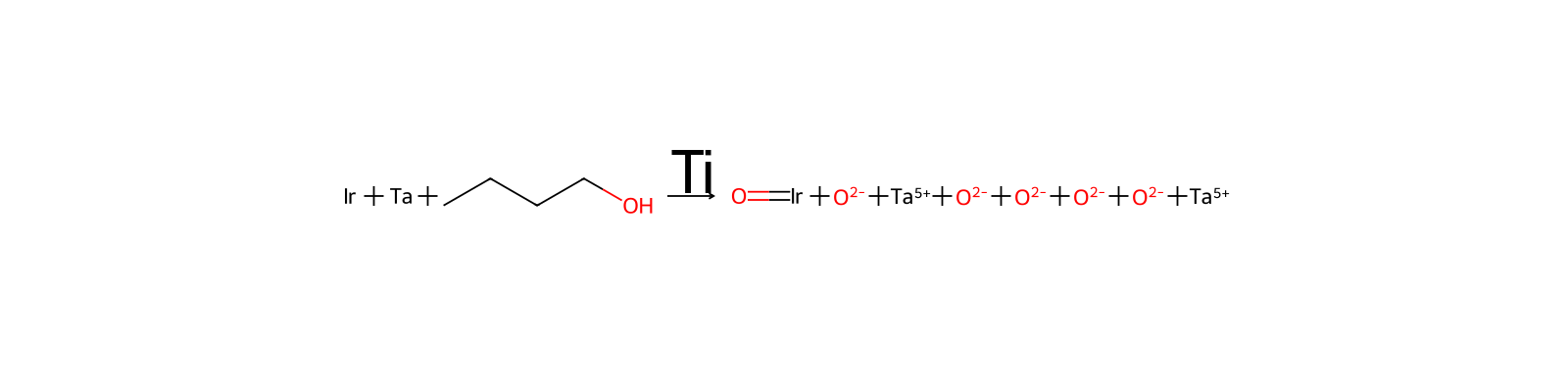
56
Verknüpfte Notizen
Wird geladen…