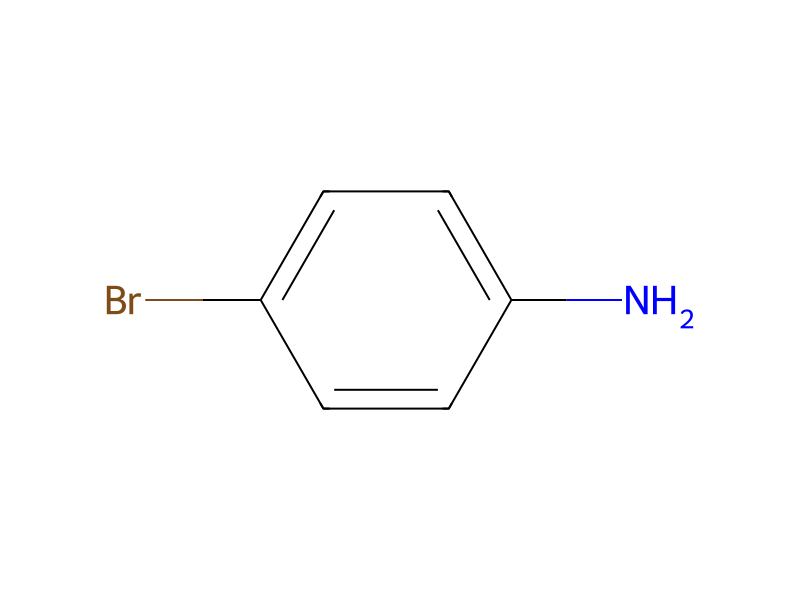
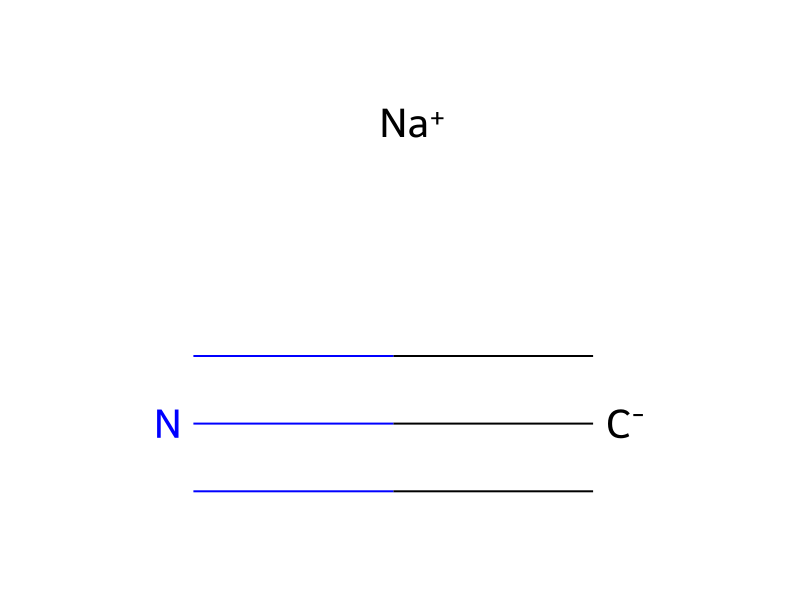
[CH:1]1([C:4]2[C:5]([N+:15]([O-:17])=[O:16])=[CH:6][C:7]([N+:12]([O-:14])=O)=[C:8]([CH:11]=2)[CH:9]=O)[CH2:3][CH2:2]1.[Br:18][C:19]1[CH:25]=[CH:24][C:22]([NH2:23])=[CH:21][CH:20]=1.[C-:26]#[N:27].[Na+].C(OC(=O)C)(=O)C>C(O)(=O)C>[Br:18][C:19]1[CH:25]=[CH:24][C:22]([N:23]2[C:9]([C:26]#[N:27])=[C:8]3[C:7]([CH:6]=[C:5]([N+:15]([O-:17])=[O:16])[C:4]([CH:1]4[CH2:2][CH2:3]4)=[CH:11]3)=[N+:12]2[O-:14])=[CH:21][CH:20]=1To a stirred suspension of compound (iv) (6.2 g, 0.026 mol) in acetic acid (120 mL) was added 4-bromoaniline (9.28 g, 0.054 mol) and the reaction mixture was heated to 60° C. to get a clear solution. To this was added sodium cyanide portionwise (6.2 g, 0.127 mol) and the reaction mixture was stirred at 60° C. for 5 min. Acetic anhydride (1.9 mL, 0.020 mol) was added and the reaction mixture was stirred for 5 min at the same temperature. Sodium cyanide (6.2 g, 0.127 mol) was then added at the same temperature at which time the product precipitated out. The reaction mixture was stirred for 30 min at this temperature and diluted with water (50 mL), filtered and washed with ethanol to give 2-(4-bromophenyl)-5-cyclopropyl-6-nitro-2H-indazole-3-carbonitrile 1-oxide (v) (4.1 g, 39%).