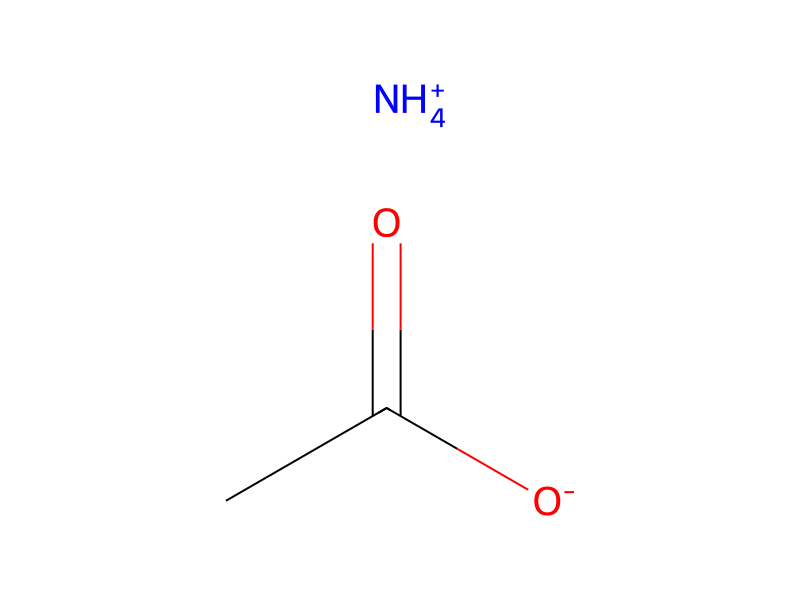
A solution of ethyl 3-oxo-3-(1-(trifluoromethyl)cyclopentyl)propanoate, 195a, (0.500 g, 1.982 mmol) and ammonium acetate (0.458 g, 5.946 mmol) in EtOH (20 mL) was warmed to reflux for 3 hours. The crude reaction was concentrated in vacuo to a residue and redissolved in EtOAc (20 mL). The new mixture was cooled to 0° C., and acetic acid (0.338 mL, 5.946 mmol) and sodium cyanoborohydride (0.498 g, 7.928 mmol, 4 equiv) were added to the mixture. The reaction was allowed to warm to room temperature and stirred overnight. The reaction was quenched with aqueous saturated sodium bicarbonate solution (10 mL) and extracted with ethyl acetate (2×20 mL). The organic phase was concentrated in vacuo and redissolved in EtOH (20 mL). To the solution was added 2,4-dichloro-5-fluoro-pyrimidine (0.496 g, 2.973 mmol) and N,N-diisopropylethylamine base (2.0 mL). The reaction was refluxed for 12 hours and then concentrated in vacuo. The residue was purified by silica gel chromatography (EtOAc) yielding 84 mg of the desired product as a yellow oil: LCMS Gradient 10-90%, 0.1% formic acid, 5 minutes, C18/ACN, Retention Time=3.54 minutes (M+H) 384.40.