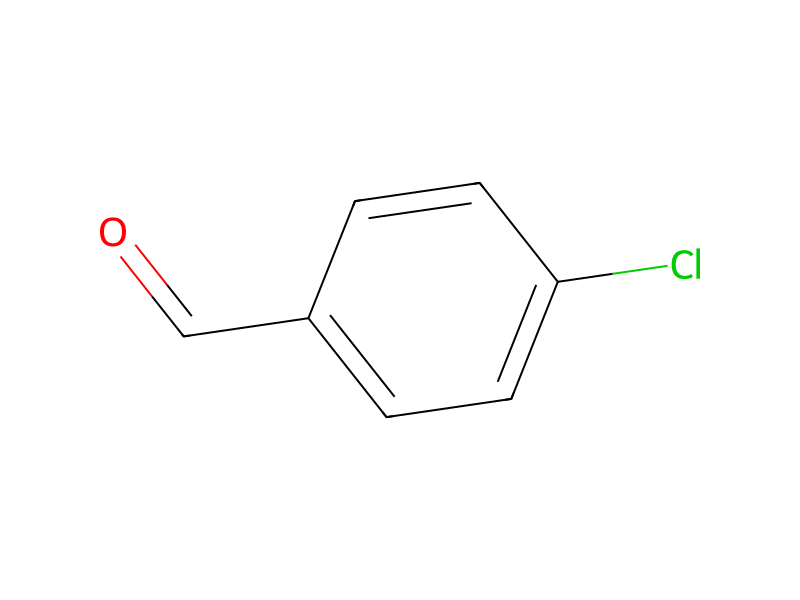
[CH2:1]([O:3][P:4]([CH2:10][CH2:11][CH2:12][NH2:13])([CH2:6][CH2:7][CH2:8][CH3:9])=[O:5])[CH3:2].[Cl:14][C:15]1[CH:22]=[CH:21][C:18]([CH:19]=O)=[CH:17][CH:16]=1.C(O)(=O)C.C([BH3-])#N.[Na+]>CO>[CH2:1]([O:3][P:4]([CH2:10][CH2:11][CH2:12][NH:13][CH2:19][C:18]1[CH:21]=[CH:22][C:15]([Cl:14])=[CH:16][CH:17]=1)([CH2:6][CH2:7][CH2:8][CH3:9])=[O:5])[CH3:2]4.14 g of 3-aminopropyl(n-butyl)phosphinic acid ethyl ester are mixed with 2.51 g of p-chlorobenzaldehyde, and first 1.2 g of glacial acetic acid and then a solution of 0.42 g of sodium cyanoborohydride in 5 ml of methanol are added, whereupon an exothermic reaction takes place. The mixture is then stirred at room temperature for 2.5 hours and adjusted to pH 8, and the volatile constituents are removed under reduced pressure. The residue is dissolved in dichloromethane, washed with water, dried over sodium sulfate and concentrated by evaporation. The residue is purified by chromatography on silic gel, yielding 3-(p-chlorobenzylamino)propyl(n-butyl)phosphinic acid ethyl ester; 1H--NMR spectrum (in CDCl3): δ=7.30-7.32 (4H,m); 4.02 (2H,q); 3.74 (2H,s); 2.67 (2H,t); 2.5-2.2 (1H,S); 1.79-1.64 (6H,m); 1.53 (2H,m); 1.42 (2H,m); 1.31 (3H,t); 0.81 (3H,t); 31P--NMR spectrum (in CDCl3); δ=58.16.
Wird geladen…