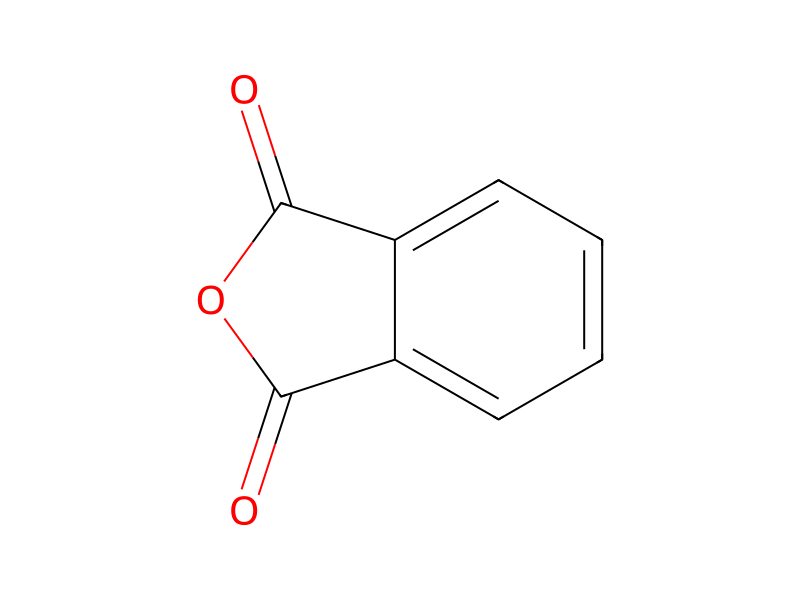
Anhydrous magnesium chloride (4.76 g; 50 millimoles), 25 ml of decane and 23.4 ml (150 mmoles) of 2-ethylhexyl alcohol were heated at 130° C. for 2 hours to form a uniform solution. Phthalic anhydride (1.11 g; 7.5 mmoles) was added to the solution, and the mixture was further stirred at 130° C. for 1 hour to dissolve phthalic anhydride in the aforesaid uniform solution. The uniform solution so obtained was cooled to room temperature, and added dropwise over the course of 1 hour to 200 ml (1.8 moles of titanium tetrachloride kept at -20° C. After the addition, the temperature of the mixed solution was elevated to 110° C. over the course of 4 hours. When the temperature reached 110° C., 2.68 ml (12.5 mmoles) of diisobutyl phthalate was added. The mixture was maintained at the same temperature for 2 hours with stirring. After the 2-hour reaction, the solid portion was collected by hot filtration. The solid portion was re-suspended in 200 ml of titanium tetrachloride, and again reacted at 110° C. for 2 hours. After the reaction, the solid portion was collected again by hot filtration and washed fully with decane and hexane at 110° C. until no free titanium compound was detected from the washing. The solid titanium catalyst component (A) prepared by the above method was stored as a hexane slurry, but a part of it was dried to examine its composition. The solid titanium catalyst component (A) obtained in this way comprised 3.1% by weight of titanium, 56.0% by weight of chlorine, 17.0% by weight of magnesium and 20.9% by weight of diisobutyl phthalate.