StartseiteMCPWorkbenchSkills
StartseiteWorkbenchBenachrichtigungenMein Bereich
llms.txt · MCP-AnleitungDatenschutz · Nutzungsbedingungen · Supportv1.8.3
  1. Startseite
  2. /Reaktion

Potassium Carbonate → HCID 178493156, Verbindung

HRID 1179417
Drucken

Reaktionsgleichung

Reaktionsgleichung von HRID 1179417
[C:1]1([NH:7][S:8]([C:11]2[CH:16]=[CH:15][C:14](Br)=[CH:13][CH:12]=2)(=[O:10])=[O:9])[CH:6]=[CH:5][CH:4]=[CH:3][CH:2]=1.C([O-])(=O)C.[K+].[CH3:23][O:24][C:25]1[CH:30]=[CH:29][N:28]=[C:27]([CH2:31][CH2:32][C:33]2[NH:42][C:36]3=[N:37][CH:38]=[C:39](I)[CH:40]=[C:35]3[N:34]=2)[CH:26]=1.C(=O)([O-])[O-].[K+].[K+].[Cl-].[Li+]>O1CCOCC1.O.C1(P(C2C=CC=CC=2)[C-]2C=CC=C2)C=CC=CC=1.[C-]1(P(C2C=CC=CC=2)C2C=CC=CC=2)C=CC=C1.[Fe+2].C1C=CC(P(C2C=CC=CC=2)[C-]2C=CC=C2)=CC=1.C1C=CC(P(C2C=CC=CC=2)[C-]2C=CC=C2)=CC=1.Cl[Pd]Cl.[Fe+2].[Pd].C1(P(C2C=CC=CC=2)C2C=CC=CC=2)C=CC=CC=1.C1(P(C2C=CC=CC=2)C2C=CC=CC=2)C=CC=CC=1.C1(P(C2C=CC=CC=2)C2C=CC=CC=2)C=CC=CC=1.C1(P(C2C=CC=CC=2)C2C=CC=CC=2)C=CC=CC=1>[CH3:23][O:24][C:25]1[CH:30]=[CH:29][N:28]=[C:27]([CH2:31][CH2:32][C:33]2[NH:42][C:36]3=[N:37][CH:38]=[C:39]([C:14]4[CH:15]=[CH:16][C:11]([S:8]([NH:7][C:1]5[CH:6]=[CH:5][CH:4]=[CH:3][CH:2]=5)(=[O:10])=[O:9])=[CH:12][CH:13]=4)[CH:40]=[C:35]3[N:34]=2)[CH:26]=1

KomponentenReaktionsbedingungenVersuchsvorschriftAufarbeitungQuellen und NachweiseNotizen zur Reaktion

Komponenten

11

Edukt 5

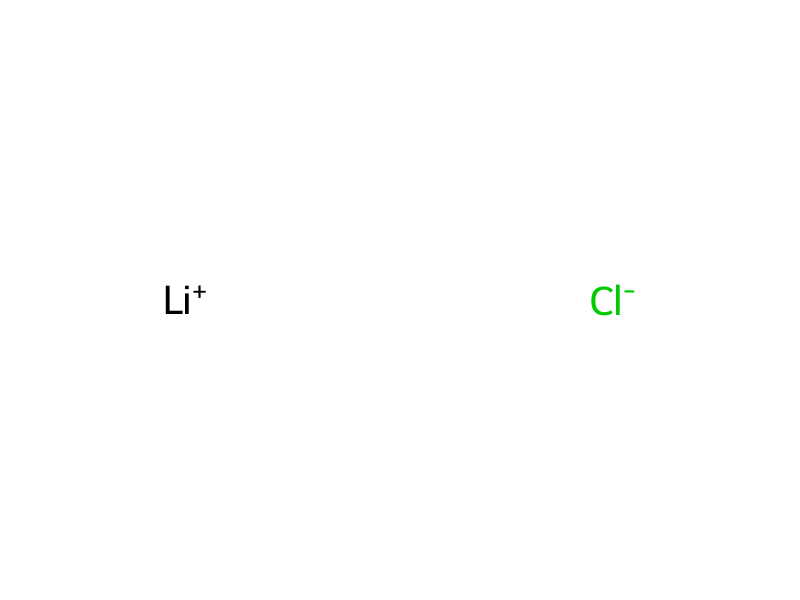
HCID 11430Potassium CarbonateHCID 433294Lithium ChlorideHCID 517044Potassium AcetateHCID 5642284-Bromo-N-phenylbenzenesulfonamideHCID 178493175HCID 178493175, Verbindung2×

Produkt 1

HCID 178493156HCID 178493156, Verbindung
Ausbeute 26,4 %

Reagenzien, Katalysatoren, Lösungsmittel 5

HCID 635956Ferrocene-1,1'-bis-(diphenylphosphine)KatalysatorHCID 11979704Tetrakis(triphenylphosphine)palladiumKatalysatorHCID 44119782Bis(cyclopenta-1,4-dien-1-yl(diphenyl)phosphane);dichloropalladium;iron(2+)KatalysatorHCID 962WaterLösungsmittel2×HCID 312751,4-DioxaneLösungsmittel2×

Reaktionsbedingungen

Temperatur
90 °C

Versuchsvorschrift

A mixture of 0.468 g of N-phenyl-4-bromo-benzenesulfonamide, 0.42 g of bis-(pinacolato)-diboron, 0.025 g of 1,1′-bis-(diphenylphosphino)-ferrocene, 0.033 g of [1,1′-bis(diphenylphosphino)-ferrocene]palladium-dichloride (complex with CH2Cl2), 0.442 g of potassium acetate in 6 ml of degassed dioxane are heated to 90° C. in a sealed tube under N2 for 6 hours. To the resulting mixture 5 ml of degassed dioxane, 0.371 g of 2-[2-(4-methoxypyridin-2-yl)ethyl]-6-iodo-3H-imidazo[4,5-b]pyridine (starting material A1), 0.113 g of tetrakis(triphenylphosphine)-palladium(0) and a solution of 0.27 g of potassium carbonate and 0.083 g of lithium chloride in 5 ml of degassed water are added under N2. The tube is sealed again, the mixture is heated to 120° under N2 for 16 hours and, after cooling, addition of water and adjusting the pH to 7, it is extracted three times with dichloromethane. The combined organic phases are dried over sodium sulfate, concentrated and the residue is chromatographed on a silica gel column (dichloromethane/methanol 28-15:1). Concentration of the chromatographically pure fractions and crystallisation from acetonitril gives 0.125 g of the title compound as a solid of m.p. 231-233° C. The mass spectrum shows the molecular peak MH+ at 507.3 Da.

Aufarbeitung

  1. customThe tube is sealed again
  2. temperaturethe mixture is heated to 120° under N2 for 16 hours
  3. temperatureafter cooling
  4. extractionis extracted three times with dichloromethane
  5. dry with materialThe combined organic phases are dried over sodium sulfate
  6. concentrationconcentrated
  7. customthe residue is chromatographed on a silica gel column (dichloromethane/methanol 28-15:1)
  8. customConcentration of the chromatographically pure fractions and crystallisation from acetonitril

Quellen und Nachweise

ORD-Eintrag
ord-dacc41868cc64ea089fa2e2eb6e028ef
Quelldatensatz
uspto-grants-2007_10
DOI
10.6084/m9.figshare.5104873.v1
Patentnummer
US07279488B2

Notizen zur Reaktion

Auf dieser SeiteKomponentenReaktionsbedingungenVersuchsvorschriftAufarbeitungQuellen und NachweiseNotizen zur Reaktion



