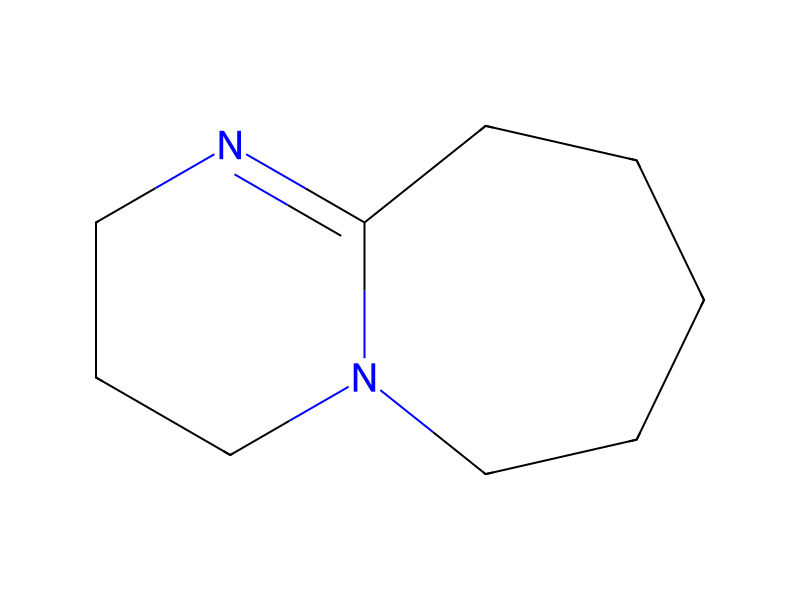
To a 100 ml flask containing a stir bar was added compound 6-cyclopropyl-5-(2-hydroxyethyl)-2-benzofuran-1(3H)-one, (0.5 g, 2.29 mmol), TEA (20 mL) followed by addition of dichloromethane (25 mL). The flask was placed in a cool bath of ° C., and slowly treated with methanesulfonyl chloride (6.5 mL, 83 mmol). The resulting mixture was then stirred for 20 min. TLC (hexanes/EtOAc=1/1) indicated completion of the reaction. The mixture was poured into saturated ammonium chloride and extracted with DCM. The combined organics were washed with 1 N HCl, saturated sodium bicarbonate solution, and brine, then dried (Na2SO4) and concentrated in vacuo. The residue (LC/MS: [(M+1)]+=297; tR=1.01 min) was dissolved in dichloromethane (25 mL) and treated with DBU (0.7 mL, 4.72 mmol) and stirred for 2 h. TLC monitoring showed conversion to the olefin. The reaction mixture was diluted with water and extracted with dichloromethane. The combined organics were washed with 1N HCl, saturated sodium bicarbonate solution, and brine, then dried (Na2SO4) and concentrated in vacuo. The material was used in the next step without further purification.