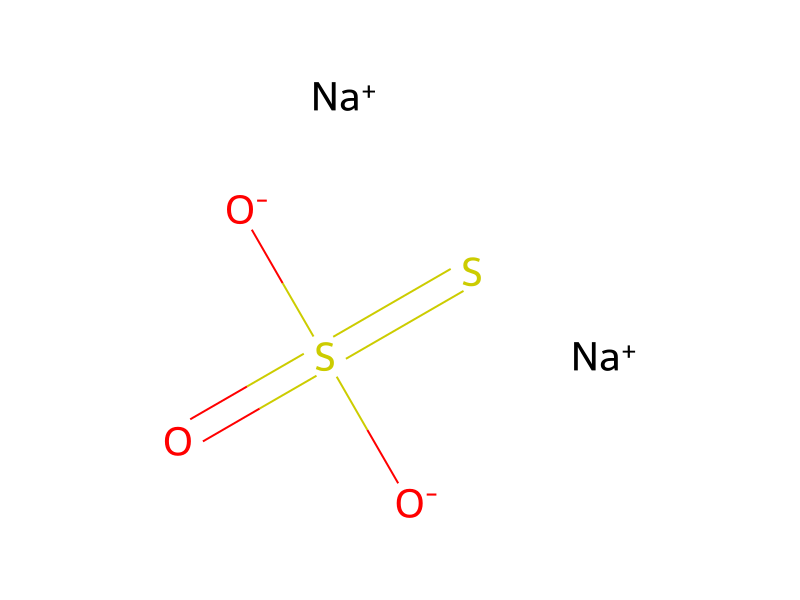
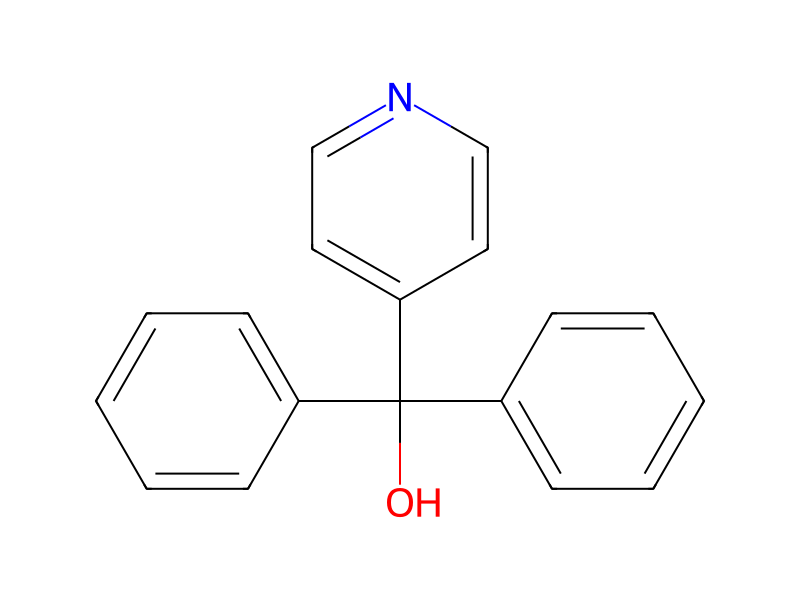
[C:1]1([C:7]([C:15]2[CH:20]=[CH:19][CH:18]=[CH:17][CH:16]=2)([C:9]2[CH:14]=[CH:13][N:12]=[CH:11][CH:10]=2)O)[CH:6]=[CH:5][CH:4]=[CH:3][CH:2]=1.Cl.I.[OH-].[Na+].S([O-])([O-])(=O)=S.[Na+].[Na+]>C(O)(=O)C>[C:1]1([CH:7]([C:15]2[CH:20]=[CH:19][CH:18]=[CH:17][CH:16]=2)[C:9]2[CH:10]=[CH:11][N:12]=[CH:13][CH:14]=2)[CH:2]=[CH:3][CH:4]=[CH:5][CH:6]=1A mixture of 99 g (0.379 mole) of diphenyl-4-pyridyl-methanol, 50 ml of conc. hydrochloric acid, 200 ml of 57% hydroiodic acid and 200 ml of glacial acetic acid was refluxed for 41/2 hr and then was stirred at room temperature for 12 hr. The reaction mixture was poured over ice and was made basic with 50% sodium hydroxide. An aqueous solution of sodium thiosulfate was added, and the mixture was extracted with methylene chloride. The methylene chloride solution was dried over magnesium sulfate and the solvent was removed in vacuo. The residue was recrystallized from a mixture of methylene chloride-ether-hexane to give two crops of crystalline solids: Crop I, 40.87 g (44.0%), m.p. 124-126; Crop II, 25.38 g (27.3%), m.p. 123-125. Analysis of the mixture of the Crops I and II was as follows: