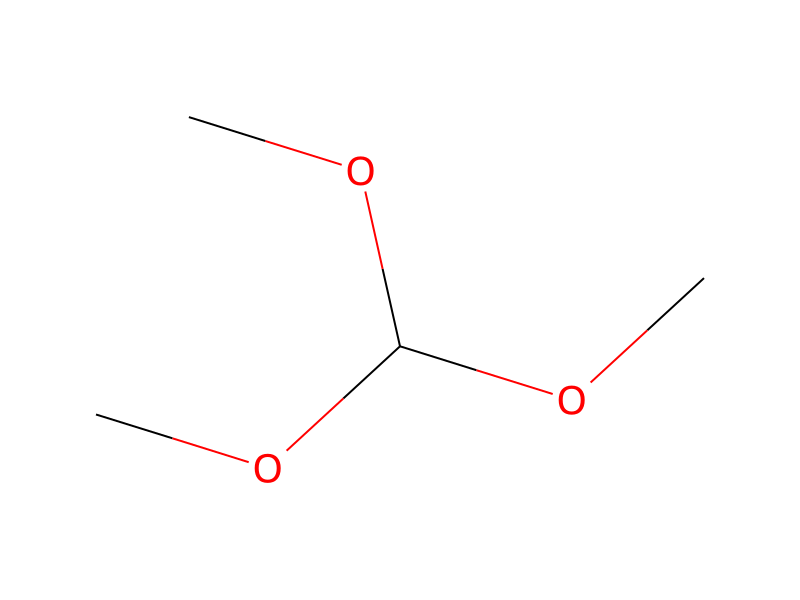
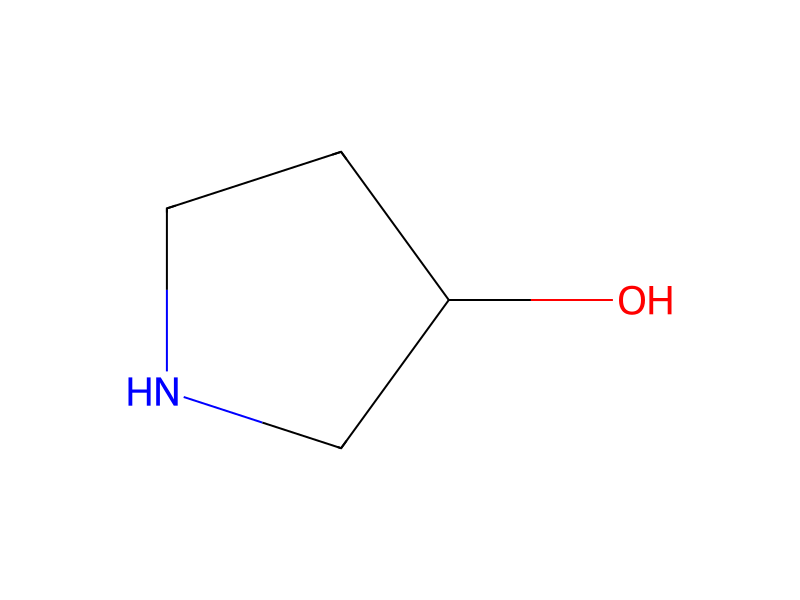
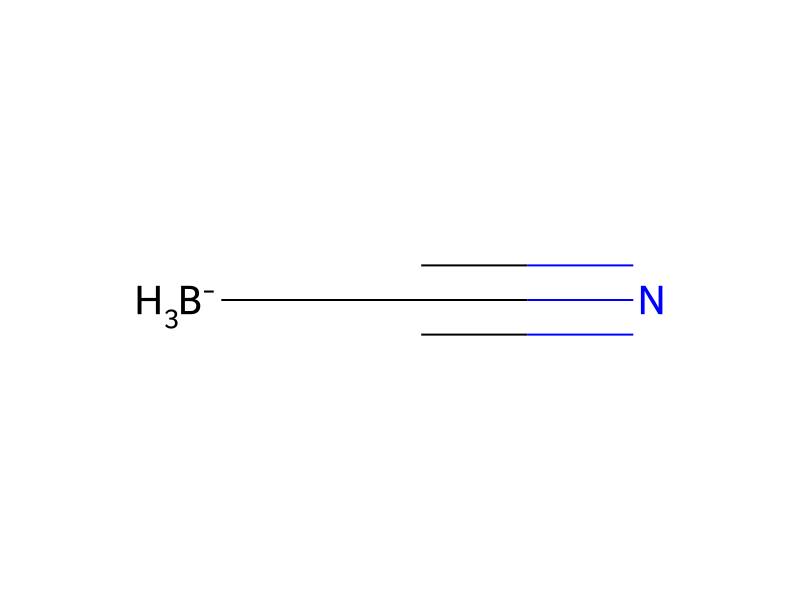
[NH2:1][C:2]([NH:4][C:5]1[S:6][C:7]([C:13]2[CH:18]=[CH:17][C:16]([CH:19]=O)=[CH:15][CH:14]=2)=[CH:8][C:9]=1[C:10]([NH2:12])=[O:11])=[O:3].[NH:21]1[CH2:25][CH2:24][CH:23]([OH:26])[CH2:22]1.C(OC)(OC)OC.C([BH3-])#N.C(=O)C1C=CC=CC=1>COCCOC.CN(C)C(=O)C.C(O)(=O)C>[NH2:1][C:2]([NH:4][C:5]1[S:6][C:7]([C:13]2[CH:14]=[CH:15][C:16]([CH2:19][N:21]3[CH2:25][CH2:24][CH:23]([OH:26])[CH2:22]3)=[CH:17][CH:18]=2)=[CH:8][C:9]=1[C:10]([NH2:12])=[O:11])=[O:3]2-[(Aminocarbonyl)amino]-5-(4-formylphenyl)-3-thiophenecarboxamide (100 mg) was stirred in a mixture of 1,2-dimethoxyethane (10 ml) and N,N-dimethylacetamide (5 ml). 3-pyrrolidinol (0.15 g) was added, followed by trimethyl orthoformate (5 ml) and acetic acid (0.5 ml). The reaction was stirred at 80° C. for 20 minutes, and then polymer-supported cyanoborohydride (0.45 g) was added. The reaction was stirred at 80° C. for a further 2 h, and then polymer-supported benzaldehyde (0.5 g) was added. The resins were removed by filtration, and the filtrate was then passed through a 5 g SCX column, washing with methanol (25 ml). The product was eluted using 1M methanolic ammonia (45 ml), and this solution was then evaporated to dryness under reduced pressure. Purification by chromatography on silica, eluting with dichloromethane/methanol (9:1), gave the product as an off-white solid (30 mg).