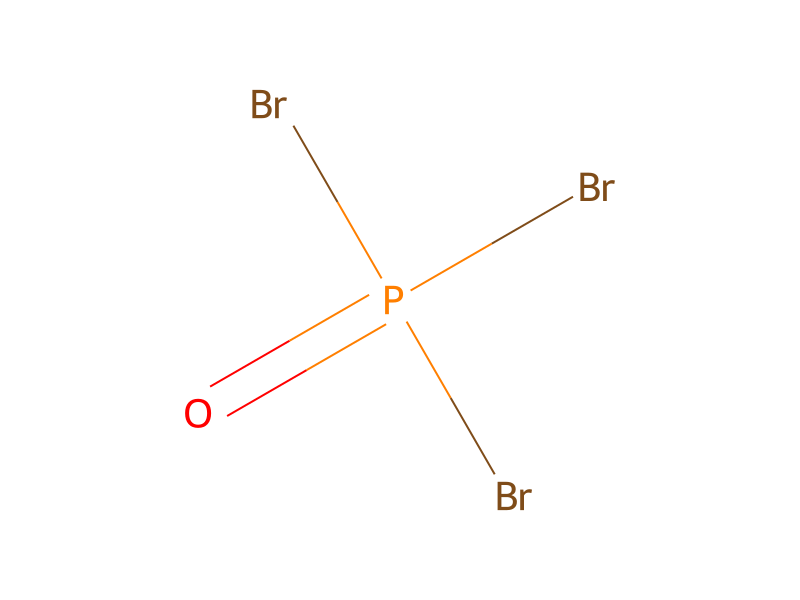
A solution of (±)-1-(2,4-dichloro-pyrimidin-5-yl)-ethanol (0.50 g; 2.60 mmol) (from Example 1a supra) and diisopropylethylamine (1.10 mL; 6.25 mmol) (Aldrich) in dibromomethane (0.35 mL) was cooled to 15° C. Phosphorus oxybromide (0.73 g; 2.83 mmol) was added in one portion. Cooling bath was removed and reaction mixture was stirred at room temperature. After 20 minutes, the reaction was diluted with ethyl acetate and water. The organic phase was washed with brine and then dried over anhydrous sodium sulfate, filtered and concentrated to give crude (±)-2,4-dichloro-5-(1-bromoethyl)-pyrimidine (0.61 g; 91.4%). Purification by flash chromatography (Biotage, 40M, 10:90 ethyl acetate-hexanes) gave pure (±)-2,4-dichloro-5-(1-bromoethyl)-pyrimidine as an oil which solidified when stored in refrigerator.