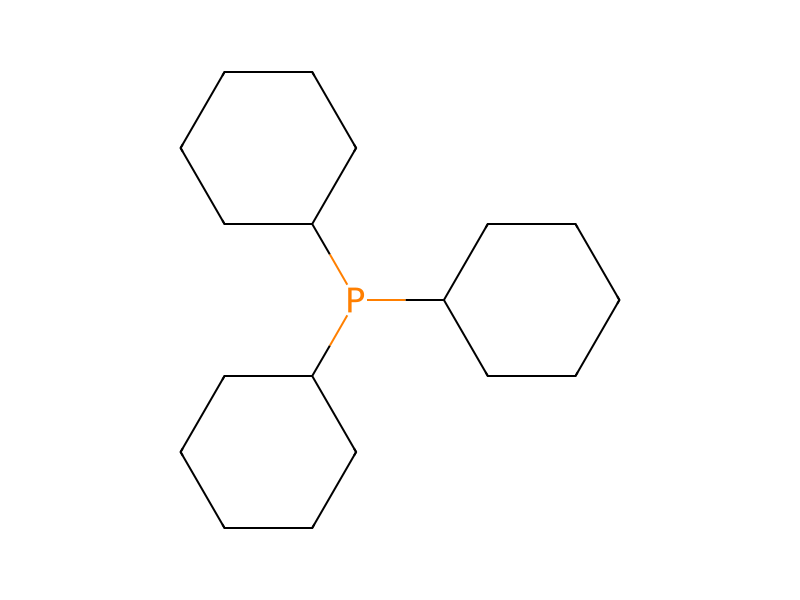
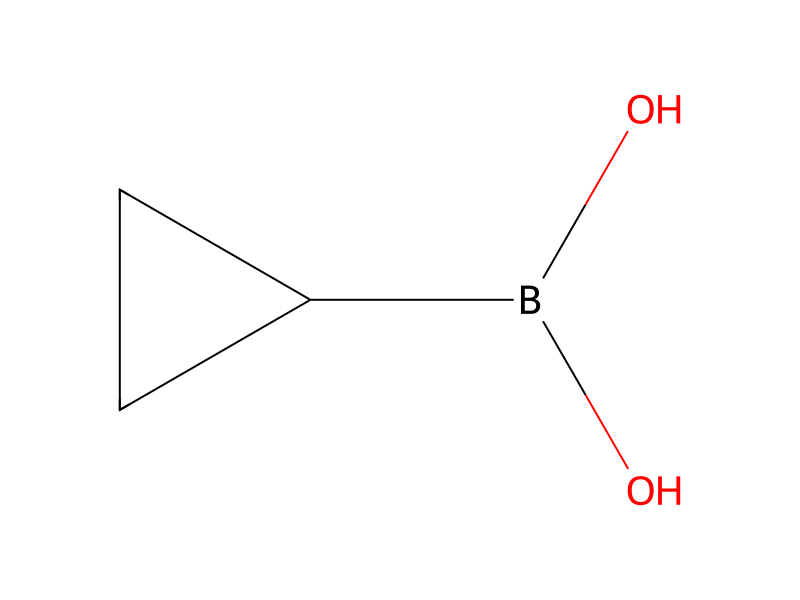
Potassium Phosphate, Tribasic → 4-Cyclopropyl-2-chloro-3,5-difluoroaniline
HRID 1270730
Reaktionsgleichung

Br[C:2]1[C:8]([F:9])=[CH:7][C:5]([NH2:6])=[C:4]([Cl:10])[C:3]=1[F:11].[CH:12]1(B(O)O)[CH2:14][CH2:13]1.[O-]P([O-])([O-])=O.[K+].[K+].[K+].C1(P(C2CCCCC2)C2CCCCC2)CCCCC1>C1(C)C=CC=CC=1.O.CC([O-])=O.CC([O-])=O.[Pd+2]>[CH:12]1([C:2]2[C:8]([F:9])=[CH:7][C:5]([NH2:6])=[C:4]([Cl:10])[C:3]=2[F:11])[CH2:14][CH2:13]1Komponenten
8