Potassium Phosphate, Tribasic → 2-Fluoro-4-chloro-6-cyclopropylaniline
HRID 1270738
Reaktionsgleichung

Br[C:2]1[C:7]([NH2:8])=[C:6]([F:9])[CH:5]=[C:4]([Cl:10])[CH:3]=1.[CH:11]1(B(O)O)[CH2:13][CH2:12]1.[O-]P([O-])([O-])=O.[K+].[K+].[K+].C1(P(C2CCCCC2)C2CCCCC2)CCCCC1>C1(C)C=CC=CC=1.O.CC([O-])=O.CC([O-])=O.[Pd+2]>[F:9][C:6]1[CH:5]=[C:4]([Cl:10])[CH:3]=[C:2]([CH:11]2[CH2:13][CH2:12]2)[C:7]=1[NH2:8]Komponenten
8
Edukt 4

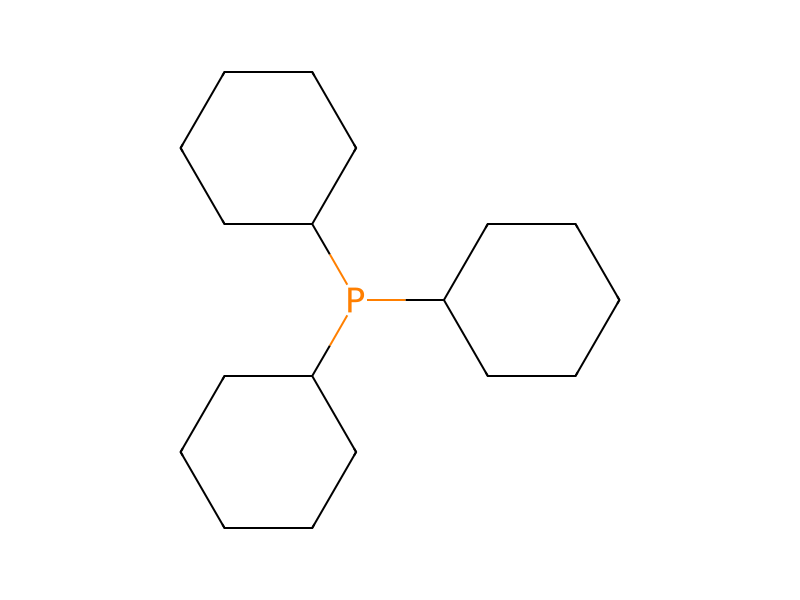

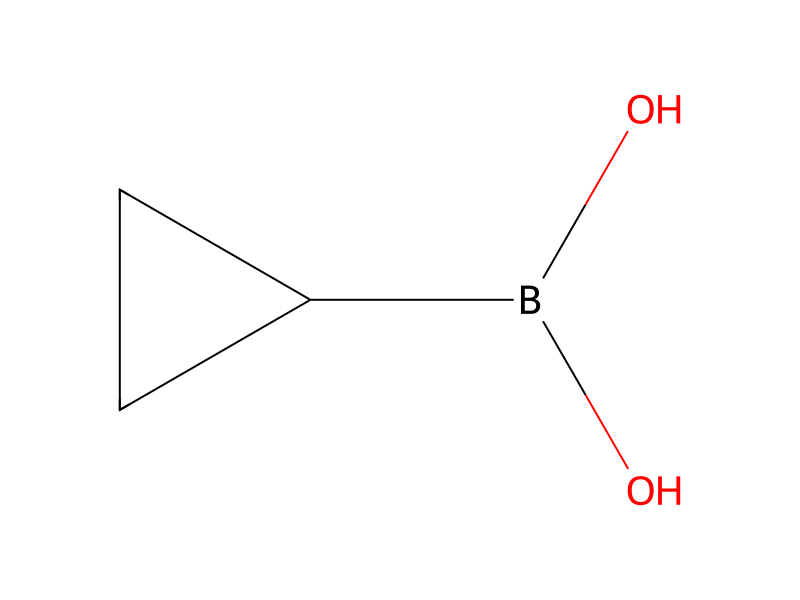
Produkt 1

Reagenzien, Katalysatoren, Lösungsmittel 3


