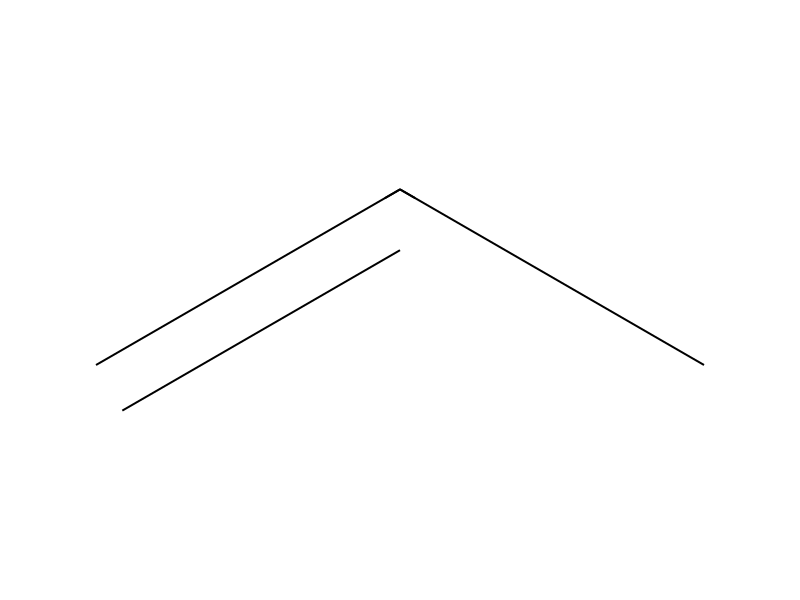
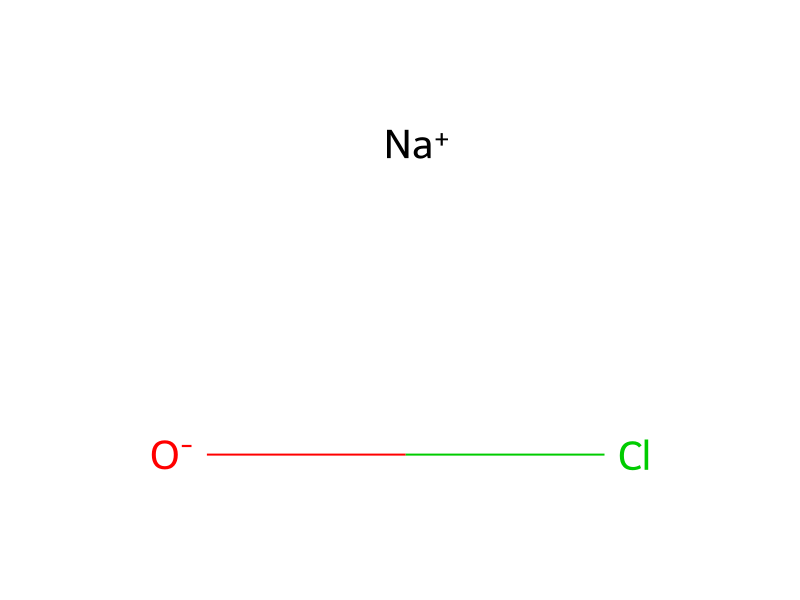
[CH2:1]=[CH:2][CH3:3].[Cl:4][C:5]1[C:14]([CH:15]=[N:16][OH:17])=[C:13]([S:18]([CH3:21])(=[O:20])=[O:19])[CH:12]=[CH:11][C:6]=1[C:7]([O:9][CH3:10])=[O:8].C([O-])(=O)C.[Na+].Cl[O-].[Na+]>ClCCl>[Cl:4][C:5]1[C:14]([C:15]2[CH2:1][CH:2]([CH3:3])[O:17][N:16]=2)=[C:13]([S:18]([CH3:21])(=[O:20])=[O:19])[CH:12]=[CH:11][C:6]=1[C:7]([O:9][CH3:10])=[O:8]At room temperature, propene was introduced into a solution of 15.0 g (52 mmol) of methyl 2-chloro-3-hydroxyiminomethyl-4-methylsulfonylbenzoate and 200 ml of dichloromethane for 30 minutes. After the addition of 1.6 g of sodium acetate, 42.8 ml of sodium hypochlorite solution were added dropwise, with the simultaneous introduction of propene. At room temperature, propene was subsequently introduced into the mixture for a further 15 minutes. The mixture was heated for 3 hours under reflux and then stirred for 12 hours at room temperature, propene was introduced once more under reflux for 5 hours and the mixture was stirred at room temperature for another 12 hours. The phases were separated and the organic phase was washed with water, dried and concentrated. 15.5 g (89% of theory) of methyl 2-chloro-(5-methyl-4,5-dihydroisoxazol-3-yl)-4-methylsulfonylbenzoate were obtained.
Wird geladen…