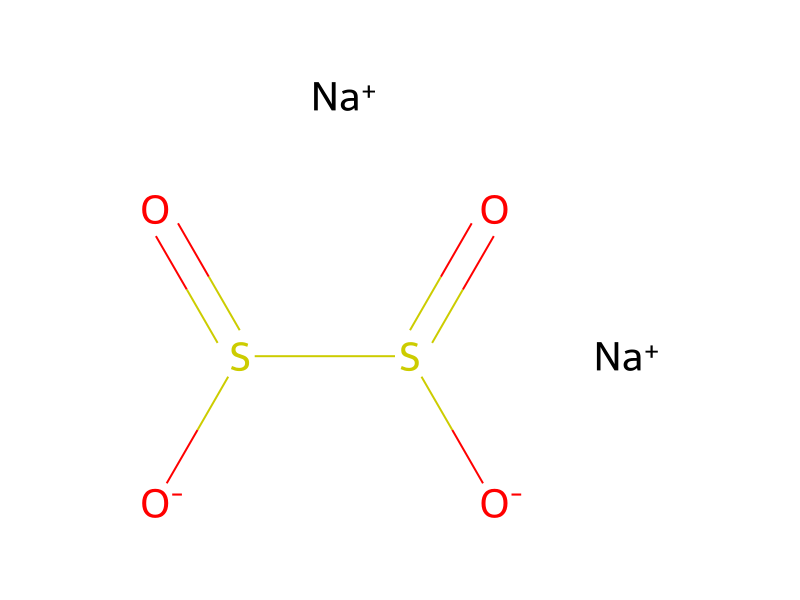
Cl[CH2:2][C:3]([CH3:5])=[CH2:4].[N+:6]([C:9]1[CH:14]=[CH:13][CH:12]=[CH:11][C:10]=1[OH:15])([O-])=O.C(=O)([O-])[O-].[K+].[K+].S(S([O-])=O)([O-])=O.[Na+].[Na+]>S([O-])(O)(=O)=O.C([N+](CCCC)(CCCC)CCCC)CCC.CCO.C1COCC1.O.ClCCl.C1(C)C=CC=CC=1.C(#N)C>[CH3:5][C:3](=[CH2:4])[CH2:2][O:15][C:10]1[CH:11]=[CH:12][CH:13]=[CH:14][C:9]=1[NH2:6]A mixture of 3-chloro-2-methyl-1-propene (5.43 g, 60 mmol), 2-nitrophenol (5.56 g, 40 mmol), potassium carbonate (11.05 g, 80 mmol), tetrabutylammonium hydrogen sulfate (0.271 g, 0.89 mmol) and acetonitrile (120 ml) was heated under reflux for 16 h. The mixture was portioned between toluene and aqueous potassium carbonate (5%), and the organic phase was dried and concentrated. The residue and sodium dithionite (13.9 g, 80 mmol) in EtOH-THF-H2O (2:1:1, 100 ml) was heated under reflux for 3 h and left over the weekend in the fridge. Then, additional sodium dithionite (7 g, 40 mmol) was added and the mixture was boiled for 2 h. The reaction mixture was portioned between dichloromethane and aqueous potassium carbonate (10%) and the organic layer was dried (Na2SO4). Concentrated of the solution gave the subtitle compound.