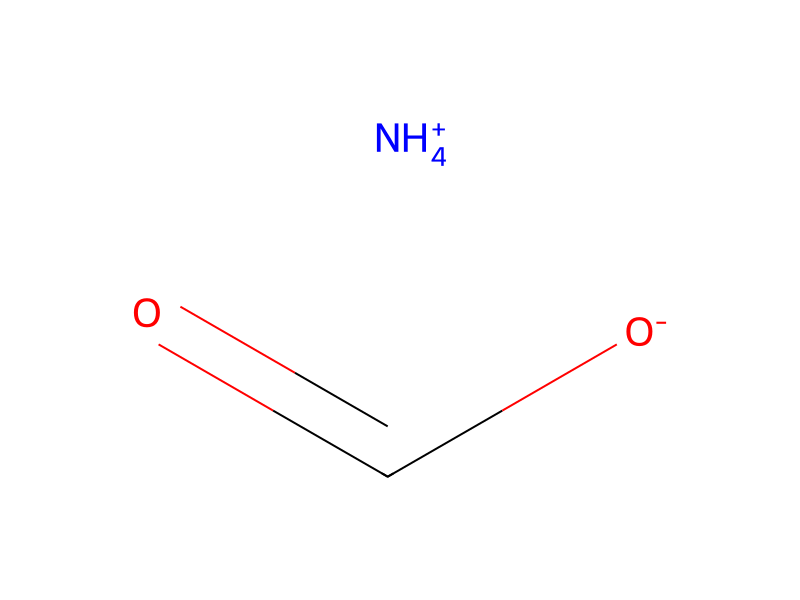
1-(4-fluoro-benzyl)-5-nitro-1H-indole (50 mg, 0.16 mmol) was dissolved in tetrahydrofuran (1 ml) and methanol (1 ml), and ammonium formate of an excess amount and palladium/carbon (10%) of a catalytic amount were added. The solution was stirred at around 30° C. for 1 hour to complete the reduction, filtered through celite, concentrated under reduced pressure, dissolved again in dichloromethane (10 ml), and then washed with water and brine. After drying the resulting solution over anhydrous magnesium sulfate, dichloromethane solution containing amine compound (1-(4-fluoro-benzyl)-5-amino-1H-indole) was obtained. Mesyl chloride (0.012 ml, 0.16 mmol) and triethylamine (0.022 ml, 0.16 mm) were added to the above obtained solution and stirred at room temperature for 2 hours to complete the reaction. After adding 2N-hydrochloric acid solution (10 ml) to separate layers, dichloromethane solution was induced, washed with water and brine, dried over anhydrous magnesium sulfate, concentrated under reduced pressure, and then triturated with isooctane and isopropyleter. As a result, the present compound (30 mg, productive yield 51%) was obtained as a solid.